Iran Rejects US Offer on Strait of Hormuz


The Facts
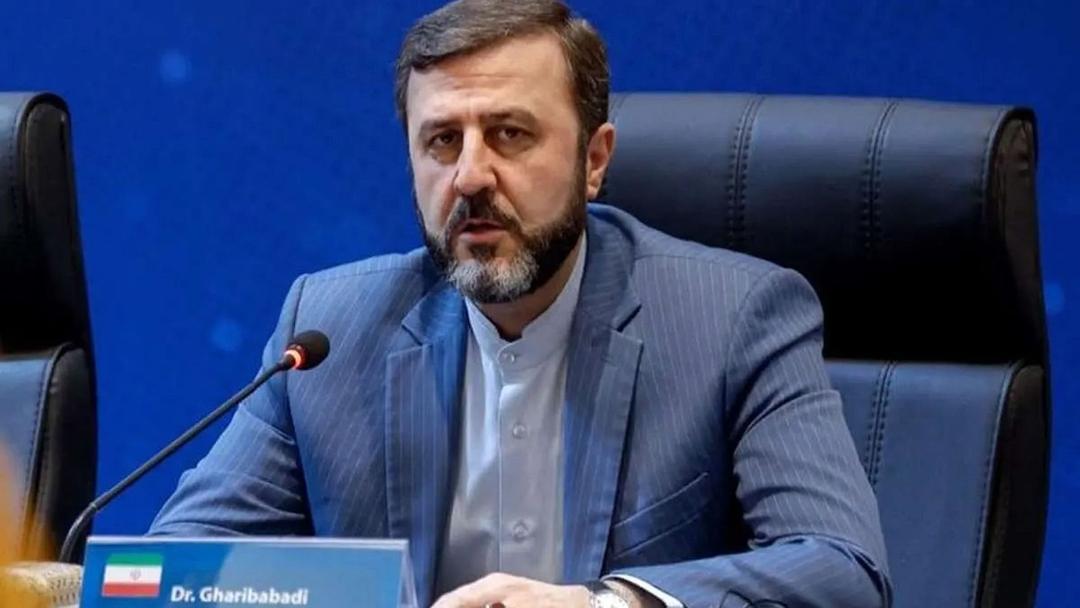
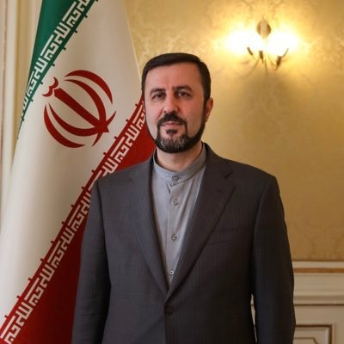
- Iran's Deputy Foreign Minister Kazem Gharibabadi declared the Strait of Hormuz remains "under Iran's command" after returning from indirect talks in Doha on Thursday, while Iran's military warned vessels traveling outside regime-approved routes would face an "immediate and powerful" response.
- Daily vessel traffic through the Strait of Hormuz dropped to 43 ships by late June, down from 75 a week earlier and more than 100 before the conflict began Feb. 28, when the waterway carried roughly one-fifth of the world's oil supply.
- The Trump administration offered Iran access to part of roughly $100 billion in frozen overseas assets, including $6 billion held in Qatar, in exchange for Tehran relinquishing its claim to control the Strait of Hormuz and dropping plans to collect transit tolls.


Sources Split
LEFT
CENTER
RIGHT

+2
+1
+1


+2
+1
+1
+2

ESTAB
CRIT
CENTER
PRO
ESTAB
The Spin
Pro-Iran narrative
The Strait of Hormuz has long remained open through Iran's restraint and good faith, until Trump messed with its security. Israel and the U.S.'s continued interventionist, irresponsible and provocative threats against Iran are a deliberate attempt to drag the illegal war that has destabilized the region and cost American taxpayers hundreds of billions of dollars, all while strengthening Tehran's position.


Pro-establishment narrative
The emerging U.S.-Iran agreement is smart grand strategy — Iran entered talks militarily degraded and economically strained. At this point, if it doesn't agree to drop its demands for tolls and full control of the Strait of Hormuz, the U.S. will also eliminate a limited number of remaining missiles. Trump's willingness to reassess and pivot reflects a pragmatic leadership that advances core American interests.


Establishment-critical narrative
Many in Washington still seem to underestimate how profoundly the strategic landscape has changed. Years of maximum pressure and weeks of military operations failed to produce regime change in Iran, raising serious questions about repeating the same approach. Any renewed campaign would likely invite costly retaliation, disrupt global energy markets and strain international support. Strategic decisions require clear objectives, realistic expectations and an honest accounting of the economic, political and geopolitical costs they are likely to impose.

Anti-Iran narrative
Iran's pursuit of greater control over the strait has heightened concerns that it seeks to use one of the world's most important maritime chokepoints as a geopolitical lever. Tehran's missile capabilities, regional influence and repeated threats to freedom of navigation place global energy security at risk. Any concessions to Iran regarding its ownership of the Strait of Hormuz would give it a decisive weapon in the battle to win the regional cup. Lasting regional security depends on preventing any single state from wielding strategic waterways as instruments of coercion.
Metaculus Prediction


The Controversies





© 2026 Improve the News Foundation.
All rights reserved.
Version 7.17.1