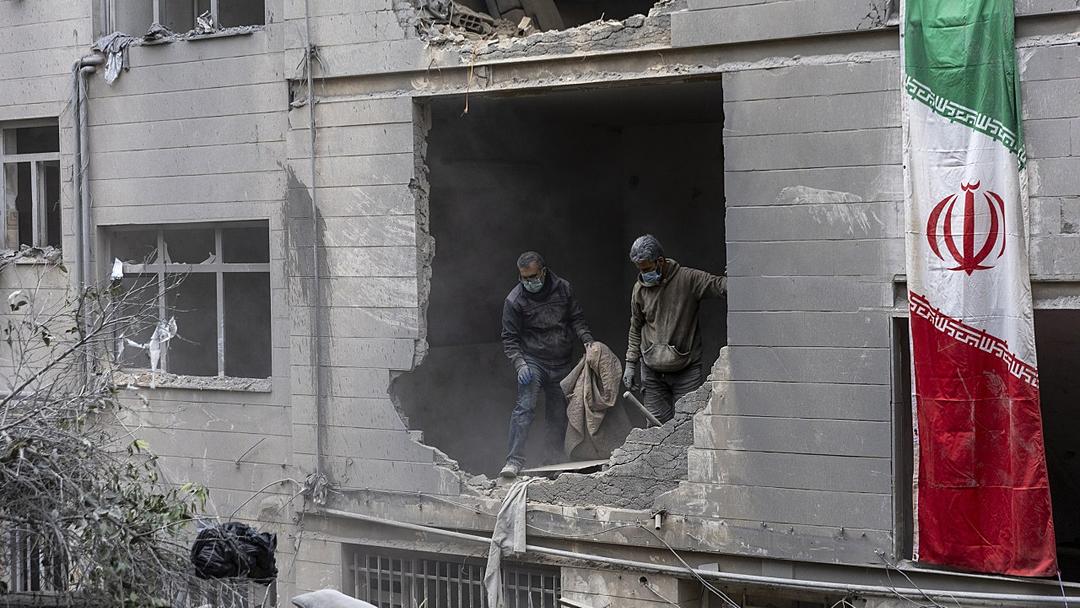
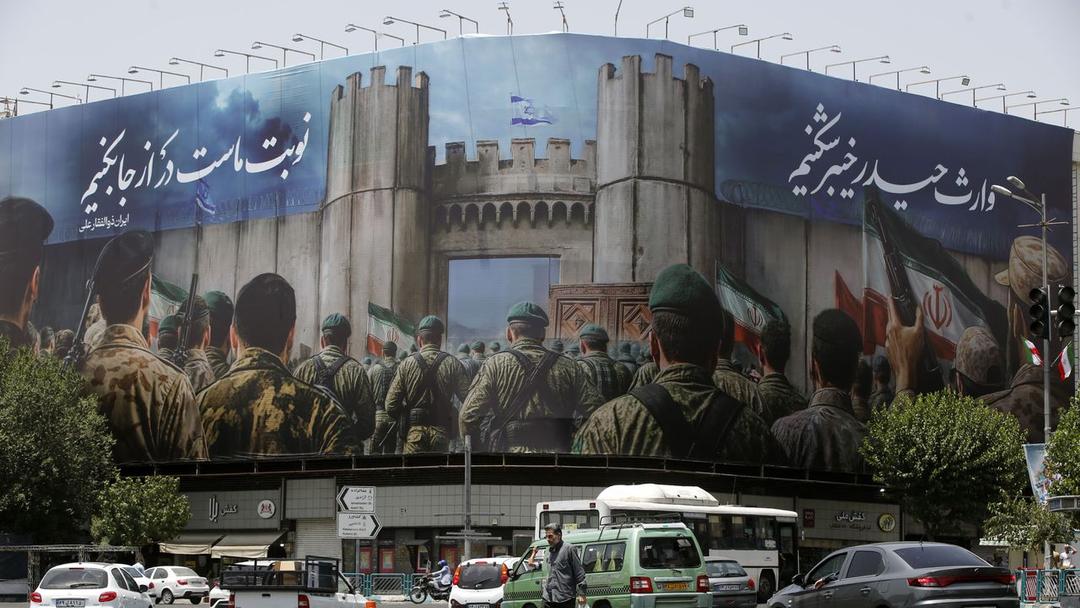
Iran Strikes Kuwait Airport, Targets US Gulf Bases


The Facts
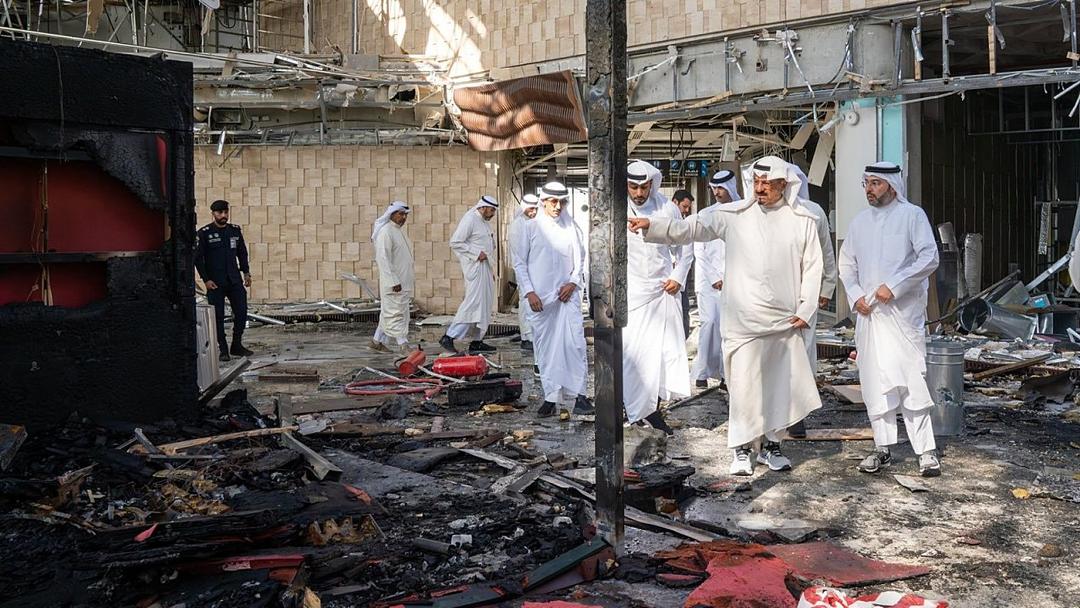
- Iranian drone and missile strikes hit Terminal 1 of Kuwait International Airport on Wednesday, killing one Indian national and injuring 63 others, with seven requiring emergency surgery, according to Kuwait's Health Ministry and Foreign Ministry.
- Kuwait declared two members of Iran's diplomatic mission persona non grata and ordered their departure within 24 hours, while summoning Iran's chargé d'affaires to receive a formal protest note over the strikes.
- The comes after U.S. Central Command (CENTCOM) struck a Botswana-flagged oil tanker with a Hellfire missile as it headed toward Iran's Kharg Island oil hub, and later conducted what it called "self-defense" strikes on an Iranian military ground control station on Qeshm Island.


Sources Split
LEFT
CENTER
RIGHT
+2
+1
+2


ESTAB
CRIT
CENTER
PRO
ESTAB
The Spin
Anti-Iran narrative
Iran's strikes on Kuwait International Airport prove that Tehran is deliberately targeting civilian infrastructure to coerce Gulf states into abandoning U.S. partnerships. The GCC, Jordan, Qatar, Lebanon and Oman all condemned the attacks as flagrant violations of sovereignty and international law. Iran's so-called retaliation doctrine is just a cover for predatory regional aggression against nations that have nothing to do with the war.
Pro-Iran narrative
These strikes were a response to ongoing U.S. military actions against Iran, including recent attacks on Iranian territory and military infrastructure. Facilities and countries used to support U.S. operations cannot be treated as neutral while participating in aggression against Iran. The Kuwait operation was intended to deter further attacks and signal the costs of regional involvement in the conflict.
Anti-Trump narrative
Trump's own erratic behavior — such as calling Benjamin Netanyahu expletives while flip-flopping daily on Iran diplomacy — is what's fueling Gulf instability, not Iranian defense measures. Netanyahu keeps escalating in Lebanon precisely because Washington lets him, torpedoing any real shot at a deal that would reopen the Strait of Hormuz. A peace agreement was within reach, but U.S.-Israeli military adventurism keeps blowing up the diplomatic track.
Pro-Trump narrative
Trump's willingness to pressure both allies and adversaries reflects pragmatic dealmaking rather than inconsistency, and his administration's maximum-pressure approach is more effective at deterring Iranian aggression than accommodating it. Regional instability stems primarily from Iran's support for armed proxies and its nuclear ambitions, while strong U.S.-Israeli deterrence is what ultimately creates the conditions for a durable peace agreement.