Iran Halts US Talks Over Attacks on Lebanon, Gaza



The Facts
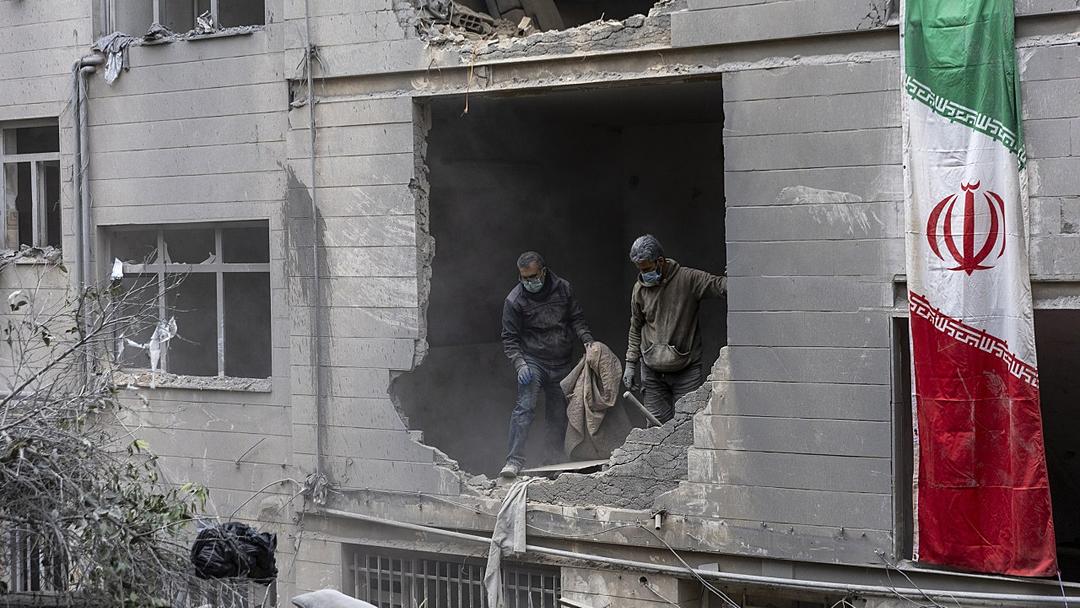
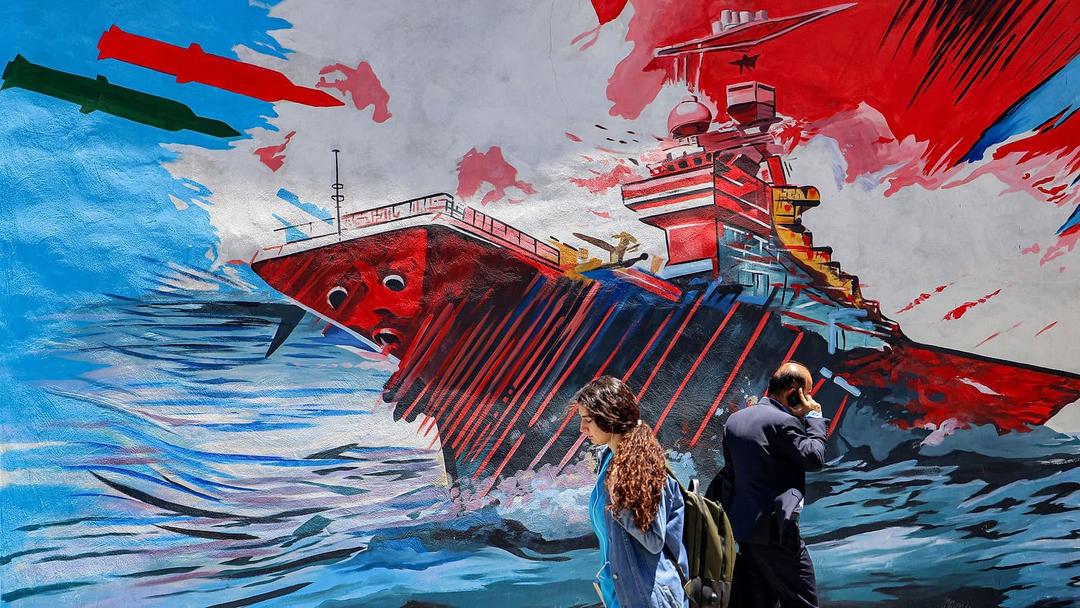
- Iran suspended indirect talks with the U.S. on Monday, citing Israel's ongoing military operations in Lebanon as a violation of the April 8 ceasefire. Iran's Tasnim news agency said there would be "no dialogue" until Israeli operations in Lebanon and Gaza ceased.
- Additionally, Iran and its allied groups threatened to fully close the Strait of Hormuz and activate additional fronts, including the Bab el-Mandeb Strait, in response to continued Israeli operations. Around 20% of the world's crude oil typically transits the Strait of Hormuz in peacetime.
- Iranian Foreign Minister Abbas Araghchi alleged that the April 8 ceasefire had covered "all fronts, including in Lebanon," while Iran's parliament speaker Mohammad Bagher Ghalibaf said the U.S. naval blockade and Israeli attacks in Lebanon were "clear evidence of U.S. noncompliance with the ceasefire."





Sources Split
LEFT
CENTER
RIGHT
+1

+2


+1
+1
ESTAB
CRIT
CENTER
PRO
ESTAB
The Spin
Pro-Iran narrative
Iran's suspension of talks is a direct response to relentless U.S. and Israeli ceasefire violations. The blockade of Iranian ports and ongoing strikes in Lebanon left Tehran no choice but to halt negotiations and potentially close the Strait of Hormuz. Constantly shifting U.S. demands make any good-faith agreement impossible.
Pro-Trump narrative
President Trump is standing firm even after Iran suspended talks, refusing to be outwaited or pressured. Instead of endless negotiations, America will maintain its naval blockade, ensuring Tehran continues to lose billions. The 47th President is signaling resolve — a deal that reopens the Strait of Hormuz on American terms is worth the patience.

Anti-Trump narrative
Trump was warned that striking Iran could trigger attacks on U.S. forces, regional escalation and disruption of global shipping. Intelligence assessments outlined those risks, yet he moved forward anyway. Expecting a quick path to peace, he instead helped create a deeper crisis. Now the consequences are unfolding, and responsibility for this conflict rests squarely with him.
Narrative D
Prolonged conflict and disruptions to critical shipping routes threaten families, businesses and economies far beyond the Middle East. Rising energy costs would ripple across every continent, increasing prices and uncertainty. The U.S., Israel, Iran and Gulf nations should prioritize diplomacy, restore stability and keep trade flowing to protect ordinary people from the consequences of an expanding crisis.