Alireza Arafi Appointed to Iran's Interim Leadership Council


The Facts
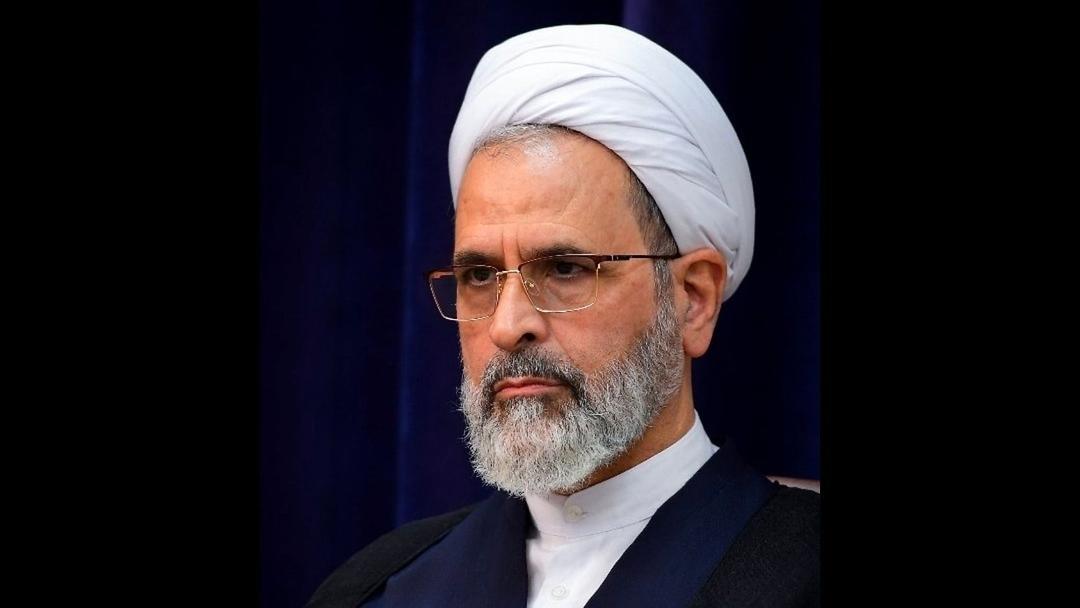
- Ayatollah Alireza Arafi was appointed on Sunday as the jurist member of Iran's interim leadership council following the death of Supreme Leader Ayatollah Ali Khamenei. The Expediency Discernment Council elected Arafi to serve alongside President Masoud Pezeshkian and Chief Justice Gholamhossein Mohseni Ejei.
- The interim leadership council will govern Iran until the Assembly of Experts elects a permanent supreme leader. Arafi, a cleric member of the Guardian Council, heads Iran's national network of Islamic seminaries and sits on the Assembly of Experts.
- Khamenei, who had ruled Iran since 1989, was killed in a joint U.S.-Israeli military strike on Saturday. The operation targeted military bases, government sites and senior leadership locations across Tehran.


Sources Split
LEFT
CENTER
RIGHT
+1
+1

+2

+1


ESTAB
CRIT
CENTER
PRO
ESTAB
The Spin
Pro-establishment narrative
Khamenei's death ends an era where ideology and repression were embodied in one figure, leaving the Islamic Republic facing its greatest survival test without the dictator. The January massacre of over 36,000 protesters destroyed any remaining legitimacy, and the regime now confronts accumulated fury and the loss of its axis of resistance across the region. This power vacuum creates a historic opportunity for reconstruction after decades of brutal authoritarian rule.

Establishment-critical narrative
Iran's succession system was built for this exact moment with four layers of contingency planning and pre-authorized military strikes. The regime absorbed Khamenei's death by design, and every credible intelligence assessment points to a post-Khamenei Iran becoming harder and more dangerous with increased IRGC control. This isn't regime collapse — it's a calculated transition that could make things worse for Iranians and the region.

Cynical narrative
Iranians are living in an existential dilemma. They are trapped between a failing state at home and the specter of foreign "salvation" abroad. Decades of repression and corruption have drained faith in reform, yet the chaos that followed interventions in Iraq, Libya, Syria and Afghanistan haunts the country. As its residents distrust both its rulers and outside powers, Iran is forced to endure the current situation with caution born not of consent, but of historical experience.
Pro-Iran narrative
Iran's armed forces have launched coordinated strikes on multiple U.S. and Israeli targets in the region, as standing firm against their unlawful aggression is both a duty and a legitimate act of self-defense. Tehran will inflict a powerful, regret-inducing response on the United States and the Israeli regime, uphold Khamenei's legacy and continue his path with firmness and national unity until its enemies are made to regret ever attacking Iran.