India: Kishor Ends BJP's 30-Year Hold on Bankipur Seat
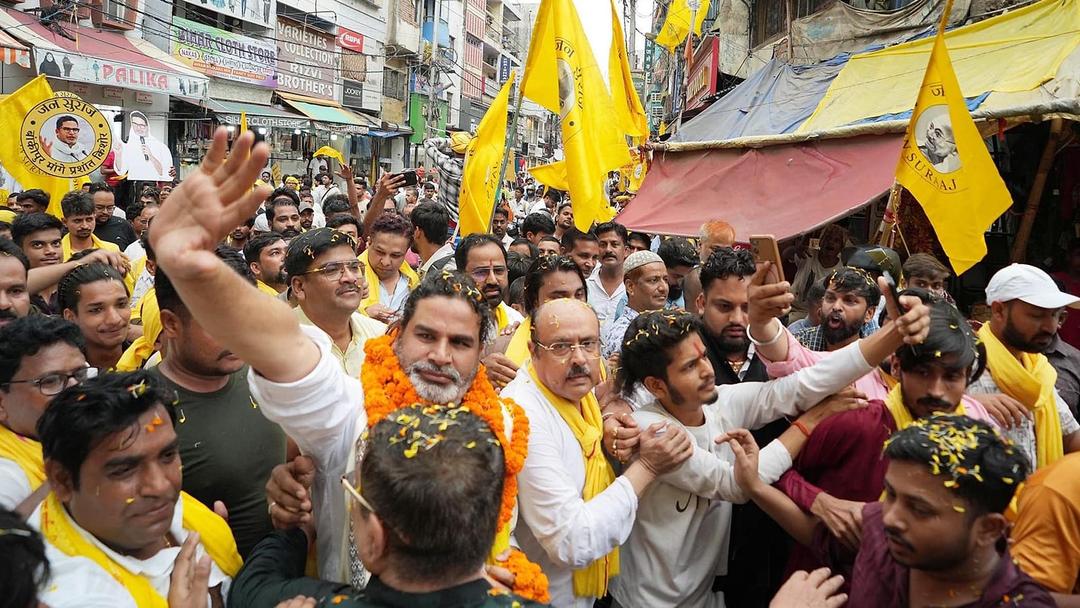
The Spin
Narrative A
People celebrating Prashant Kishor's bypoll victory are still being far too naive. His Bankipur win shouldn't be read as a seismic shift — the BJP likely let this one go. With only 34% turnout, the result carries little weight, and the BJP has a long history of ceding minor contests while locking down what actually matters. Kishor himself is ideologically slippery, and his party's finances tell a different story than the "reformer loses big" narrative people pushed after 2025.
Narrative B
This is a turning point for India's politics — Bankipur wasn't just a bypoll loss, it was BJP getting booted from a seat its own national president held for five consecutive terms, by a margin of over 19,000 votes. NDA allies privately called it a serious warning that even fortress constituencies can flip when voters feel taken for granted. Public anger over corruption, paper leaks and weak leadership in Bihar drove a decisive verdict that demands real accountability.
Narrative C
Every bypoll sparks sweeping conclusions, but history tells a different story. After setbacks in Gorakhpur and three key state elections in 2018, many predicted the BJP's decline. Instead, the party secured a historic 303-seat mandate in the 2019 Lok Sabha election. Bypolls often reflect local dynamics, candidate selection and regional issues rather than national sentiment. For the BJP, these results are reminders to strengthen organization — not reasons to panic. General elections remain a very different political contest.