Tobacco Plant Engineered to Produce 5 Psychedelic Compounds
The Facts
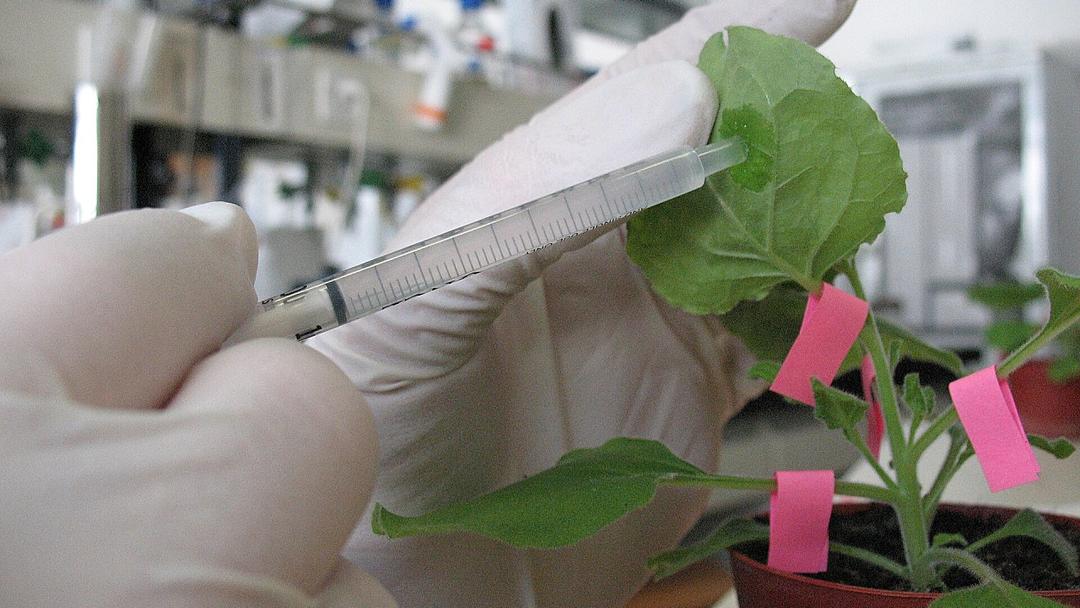
- In their study published in Science Advances on Wednesday, researchers at the Weizmann Institute of Science in Israel genetically modified a tobacco plant (Nicotiana benthamiana) to simultaneously produce five psychedelic compounds: psilocin, psilocybin, DMT, bufotenin and 5-methoxy-DMT.
- The five compounds are naturally sourced from different organisms — psilocin and psilocybin from hallucinogenic mushrooms, DMT from plants used in the hallucinogenic drink ayahuasca, and bufotenin and 5-methoxy-DMT from toads.
- Researchers reportedly chose tobacco for the experiment because it is the lab rat of plant species and produces abundant tryptophan, the amino acid that serves as the starting material for all tryptamine psychedelics.


Sources Split
LEFT
CENTER
RIGHT
+1
+1
+1
+2
ESTAB
CRIT
CENTER
PRO
ESTAB
The Spin
Narrative A
This is a massive leap forward for medicine. This platform turns living plants into programmable factories for psilocin, psilocybin, DMT, bufotenin and 5-methoxy-DMT — molecules that are otherwise costly and hard to obtain. Unlocking scalable biosynthesis of these compounds accelerates treatments for depression, PTSD and other psychiatric conditions.


Narrative B
The psychedelic boom is quietly destroying the sacred species that started it all. Peyote, iboga and ayahuasca vine face overharvesting, habitat loss and cultural exploitation faster than any lab can offset. Synthetic production helps, but the real fix demands sustainable sourcing, Indigenous stewardship and a hard pause on demand-driven destruction before these species vanish entirely.


Metaculus Prediction
© 2026 Improve the News Foundation.
All rights reserved.
Version 7.18.0