Study Shows GLP-1 Drugs Could Be Linked to Lower Addiction Risk
Do GLP-1 drugs biologically treat addiction or do results simply reflect healthier patient behavior patterns?
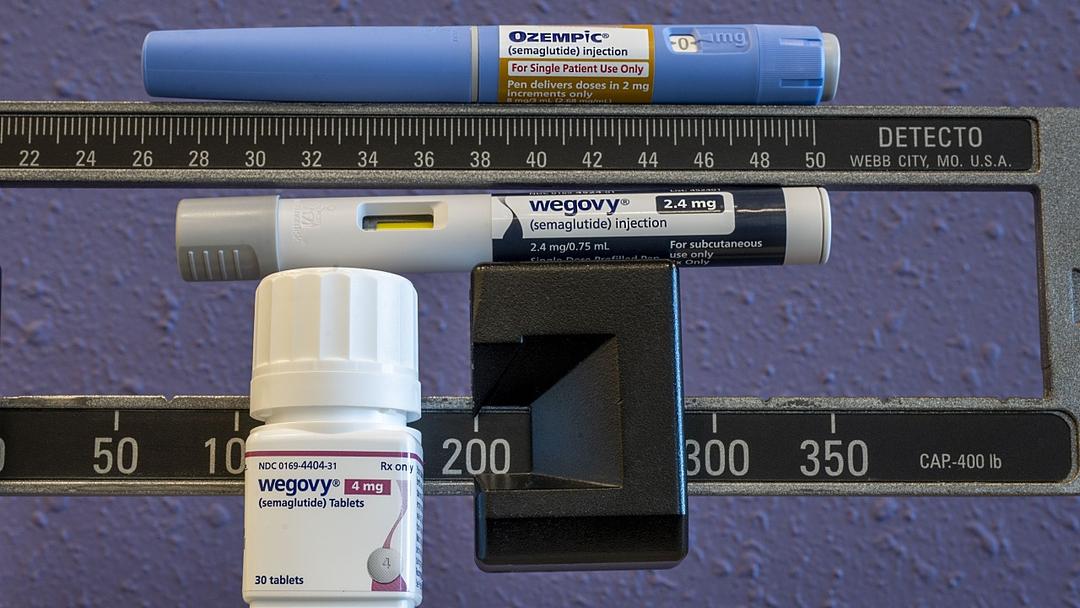
Above: Wegovy tablets and Ozempic injection pens. Image credit: Michael Siluk/UCG/Universal Images Group/Getty Images
The Facts
- Research published in the British Medical Journal analyzed health records from 606,434 U.S. veterans with type 2 diabetes who were prescribed either GLP-1 receptor agonists or SGLT2 inhibitors and monitored for up to three years.
- Among veterans with no history of substance abuse, starting a GLP-1 drug was associated with reduced risk of developing substance use disorders, including an 18% reduction for alcohol, 14% for cannabis, 20% for cocaine and nicotine and 25% for opioids.
- For people with existing substance use disorders, GLP-1 receptor agonists were linked to 50% fewer substance-related deaths, 39% fewer drug overdoses, 26% fewer hospital admissions and 31% lower risk of emergency department visits over three years.


Sources Split
LEFT
CENTER
RIGHT
+1
+2


ESTAB
CRIT
CENTER
PRO
ESTAB
The Spin
Narrative A
It's an extremely positive development that these drugs quiet the relentless craving that drives addiction by targeting shared reward pathways in the brain, offering hope where decades-old treatments have failed miserably. This isn't about willpower anymore; it's about treating addiction as the chronic biological disease it actually is.

Narrative B
This study suffers from adherer bias, as GLP-1 patients are simply more motivated and healthcare-engaged than comparison groups in ways no statistical adjustment can fix. Finding uniform protection across every tested substance screams confounding rather than a genuine drug effect.
Metaculus Prediction
© 2026 Improve the News Foundation. All rights reserved.Version 7.18.2
© 2026 Improve the News Foundation.
All rights reserved.
Version 7.18.2