Chess Federation Suspends Kramnik Over Cheating Claims
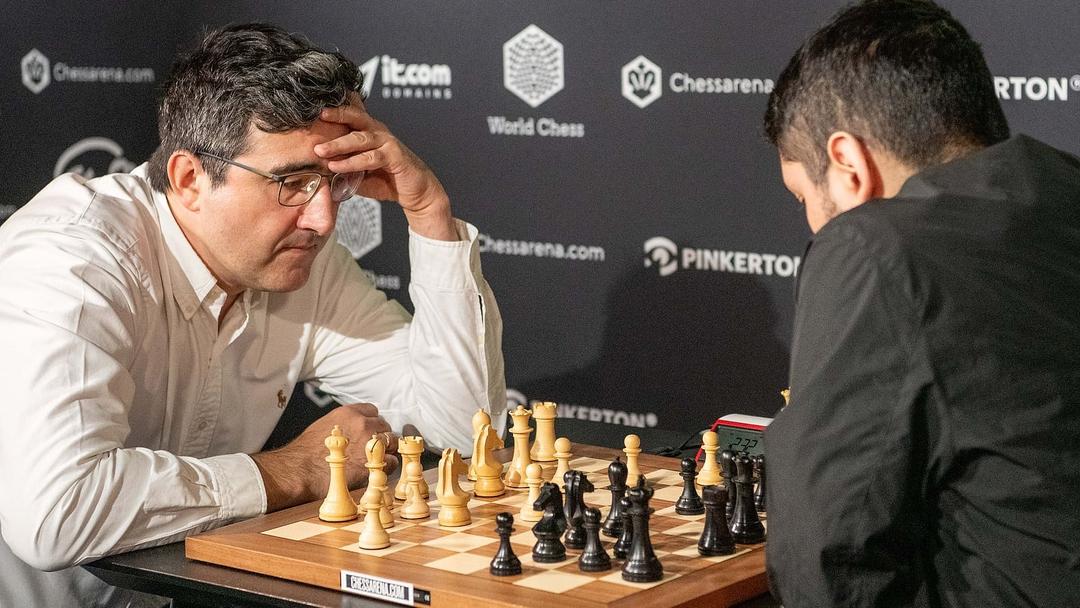
The Facts
- The World Chess Federation (FIDE) suspended former world champion Vladimir Kramnik for at least one year on Friday, after its Ethics & Disciplinary Commission (EDC) found him responsible for multiple violations of its ethics and disciplinary code.
- The EDC imposed a two-year worldwide ban on Kramnik, with the final 12 months suspended for a three-year probationary period, making the active suspension one year. The commission also required 12 months of unpaid service for the chess community.
- The disciplinary proceedings stemmed from complaints about Kramnik's public statements and social media posts accusing grandmasters David Navara and Daniel Naroditsky of cheating, which FIDE said were made without "adequate evidentiary support," and exposed those players to "unjustified reputational and psychological harm."


Sources Split
LEFT
CENTER
RIGHT
+2

+4
+1

ESTAB
CRIT
CENTER
PRO
ESTAB
The Spin
Pro-establishment narrative
FIDE was right to suspend Kramnik for bullying, cyberbullying and publicly accusing fellow grandmasters Naroditsky and Navara of cheating without institutional verification. Protecting chess from cheating matters, but so does protecting players from reckless allegations. Suspicions belong in FIDE's confidential, evidence-based fair play process — not in public campaigns that damage reputations and undermine trust across the chess community.
Narrative B
The EDC verdict is a sham. No concrete evidence or quotations were ever provided to Kramnik, making a real defense impossible, and legal advisers have flagged dozens of violations of FIDE regulations in the process. The commission's own findings acknowledged reasonable suspicion of cheating existed, yet still ruled against him. An appeal is coming, and this ruling should be seen for what it is: a procedurally broken decision that cannot stand.

Narrative C
FIDE's punishment is far too lenient. After years of alleged public harassment and baseless cheating accusations, Kramnik received what amounts to a one-year active ban, probation and community service instead of a lifetime expulsion. Worse, the federation only acted after sustained public pressure, showing that protecting a famous champion mattered more than protecting the players he targeted.

Metaculus Prediction
© 2026 Improve the News Foundation.
All rights reserved.
Version 7.18.3