FDA Approves Rasonque for Pancreatic Cancer
The Facts
- The U.S. Food and Drug Administration (FDA) approved daraxonrasib, sold as Rasonque by Revolution Medicines, on Wednesday for adults with metastatic pancreatic adenocarcinoma who have received at least one prior systemic therapy. The agency granted approval more than six months ahead of its target review date.
- In the Phase 3 RASolute 302 trial involving 500 adults, patients receiving Rasonque achieved a median overall survival of 13.2 months, compared with 6.7 months for those receiving standard chemotherapy, representing a 60% reduction in the risk of death.
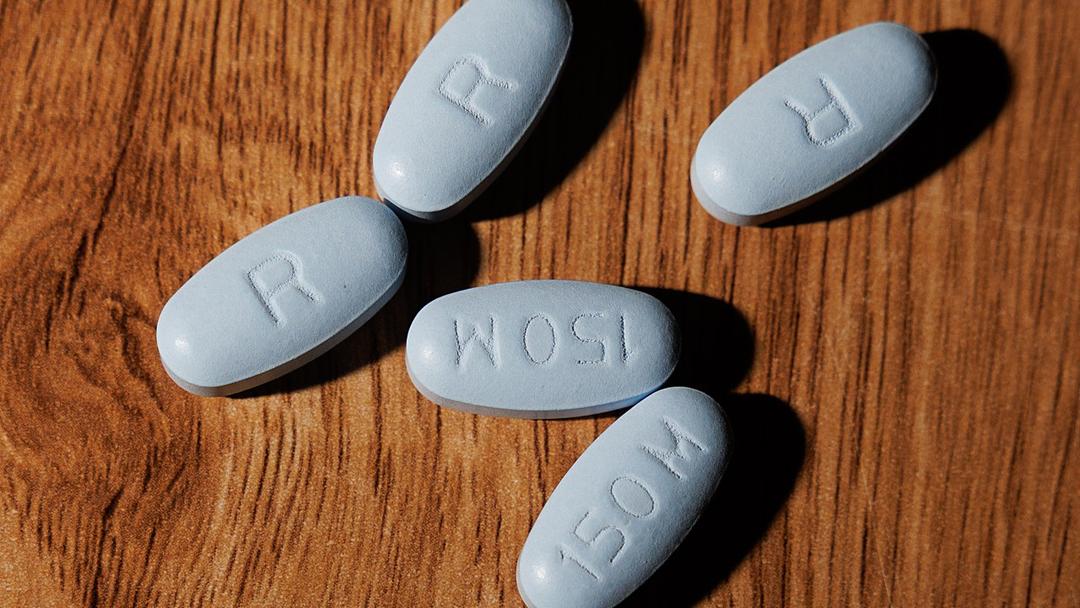
- Rasonque targets RAS, a protein mutated in most pancreatic cancer tumors, and is taken as a once-daily oral tablet. The drug received FDA Breakthrough Therapy, Orphan Drug and Priority Review designations and was reviewed under the Commissioner's National Priority Voucher pilot program.


Sources Split
LEFT
CENTER
RIGHT
+2
+3
+3
+1


ESTAB
CRIT
CENTER
PRO
ESTAB
The Spin
Narrative A
This is a critical breakthrough for one of medicine's most brutal diseases. Daraxonrasib nearly doubled median survival in patients who had already failed chemotherapy, and some lived for years. For a cancer with a five-year survival rate of just 13%, that kind of result is extraordinary.


Narrative B
Rasonque's approval matters beyond just pancreatic cancer — KRAS inhibition cracks open a target that defined "undruggable" for four decades, affecting roughly 20% of all cancers worldwide. First-line combination studies are already posting response rates near 60%, and the same mechanism could eventually reach colorectal, lung and even rare childhood cancers. This is the beginning of an entirely new class of treatments.


Establishment-critical narrative
Today's FDA approval is a major new option, but not a cure. Rasonque nearly doubled median survival in previously treated metastatic pancreatic cancer, however, patients still progressed, and resistance emerged in 59% of those studied for its mechanisms. The next combinations remain largely preclinical, so the real test is whether this survival gain can become durable.
