F1 Rule Changes Announced Ahead of Miami Grand Prix
The Facts
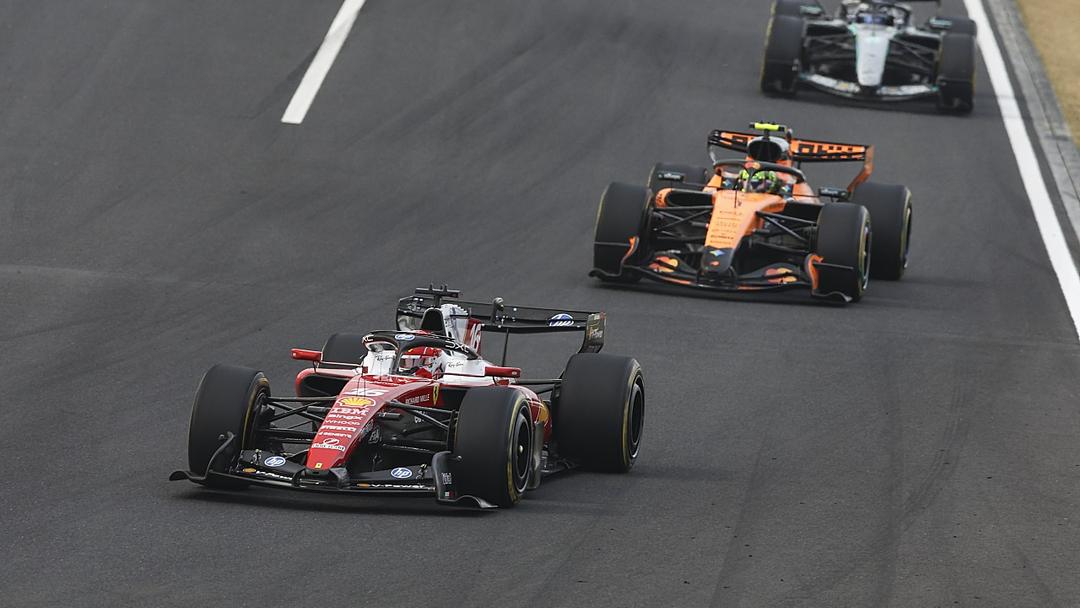
- The FIA, the world's governing body of motorsport and regulator of Formula One, announced a host of rule changes on Monday that will take effect before the race weekend in Miami set to commence on May 1.
- The announcement was made after just three races into the 2026 season in which the sport adopted a 50-50 model between internal combustion and electric power for its engines for the first time, drawing complaints about performance and driver safety.
- In an effort to address the performance concerns, which included complaints that drivers were forced to slow down as their cars recharged their batteries, the FIA said the recharge limit would be increased from 250kW to 350kW when super clipping, the process of recouping power when at full throttle. The maximum recharge was also reduced from eight megajoules to seven.


Sources Split
LEFT
CENTER
RIGHT
+6
ESTAB
CRIT
CENTER
PRO
ESTAB
The Spin
Pro-establishment narrative
While it could be argued that race bosses should have envisaged these problems prior to the 2026 season, the latest raft of rule changes, which were agreed upon by the FIA in conjunction with F1 and the teams, shows that as custodians of the sport, they are prepared to make the necessary changes to keep the sport exciting while ensuring driver safety remains a priority. These changes are a step in the right direction.

Establishment-critical narrative
Though these rule changes are sensible and much-needed, they fall short in implementing the majority of other possible changes that were left on the table. The FIA did not go nearly as far as they should have in addressing the concerns that have come to light during the first few races of the season.

Cynical narrative
These rule changes address symptoms rather than the root cause. The 50-50 split between combustion and electric power has fundamentally altered how F1 cars are driven, prioritizing energy management over racing performance. The resulting speed disparities, complexity, and safety concerns suggest the concept was flawed from the outset, leaving regulators to continuously patch a model that was never well-suited to the sport.

Metaculus Prediction
© 2026 Improve the News Foundation.
All rights reserved.
Version 7.18.2