EIA: Oil Stockpiles to Hit 2003 Low Amid Hormuz Crisis
The Facts
- OECD oil stockpiles will fall to just under 2.3 billion barrels by December 2026, their lowest levels since at least 2003, according to the U.S. Energy Information Administration's (EIA) Short-Term Energy Outlook published on Tuesday.
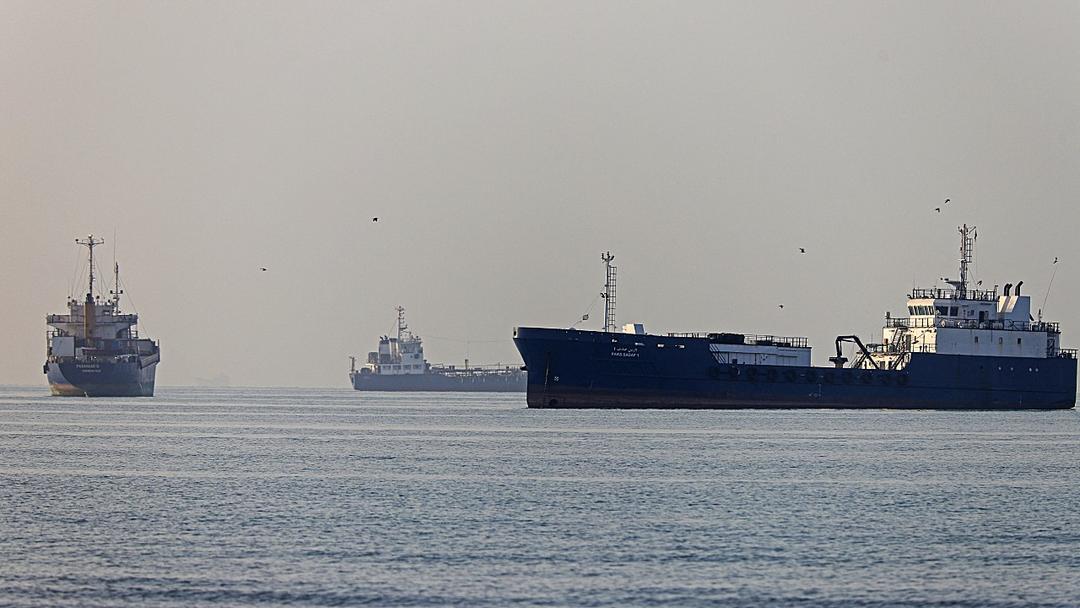
- The EIA claimed that an 11.3 million barrels per day decline in Middle East oil output was driving the drawdown, stemming from the de facto closure of the Strait of Hormuz, which the International Energy Agency states handles roughly 25% of global seaborne oil trade.
- The agency, however, does not expect the strait to reopen until Q3 2026, and pre-conflict levels of production and trade not to return until early 2027, with the EIA reporting shut-ins spanning Kuwait, the UAE, Iran, Iraq, Qatar, Bahrain and Saudi Arabia.


Sources Split
LEFT
CENTER
RIGHT

+1

+1


ESTAB
CRIT
CENTER
PRO
ESTAB
The Spin
Narrative A
The Iran crisis is a structural rupture in the global energy markets that could permanently end the era of cheap oil. Emergency stockpiles will struggle to cope with the millions of barrels of lost oil flow, and the production damage across the Middle East may take years to repair. The subsequent ripple effects will hit everything from fertilizer to construction materials for years to come.

Narrative B
The oil price spike from the Iran conflict is temporary and a worthwhile trade-off for eliminating a threat to global security. With the U.S. as the world's largest oil and gas producer and surging output from Venezuela, Guyana and Brazil, the global oil supply is well placed to recover. Once the conflict ends, therefore, prices won't just normalize; they'll drop below pre-war levels.
The Controversies






© 2026 Improve the News Foundation.
All rights reserved.
Version 7.18.3