David Walliams Named in Sexual Misconduct Claims
The Facts
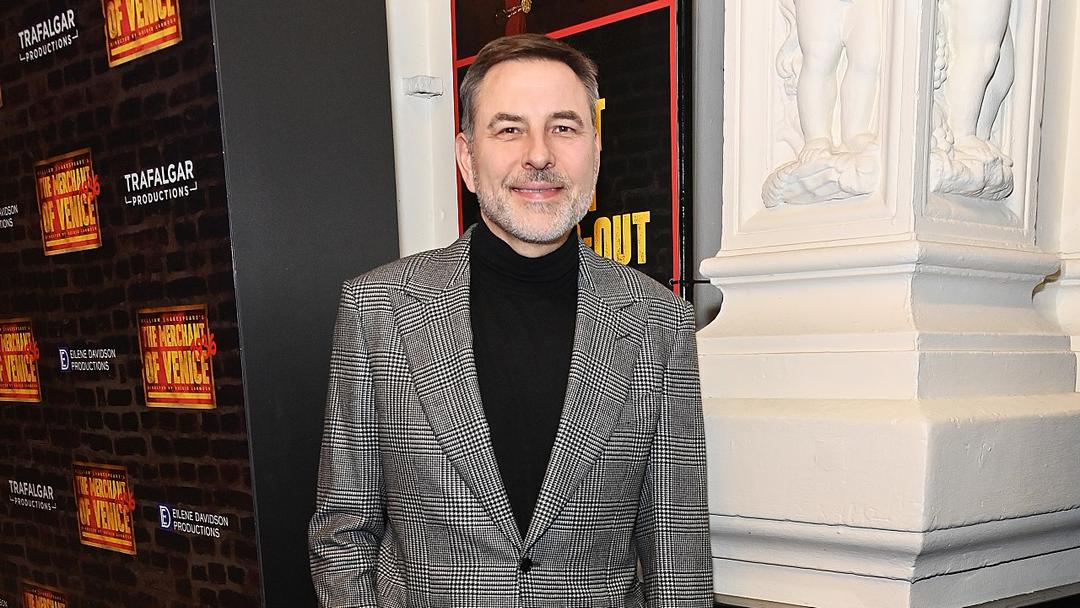
- English actor and writer David Walliams was named Tuesday as the celebrity who had sought to block publication of sexual misconduct allegations. His identity was revealed after he declined to appeal a High Court ruling rejecting his request to block their publication before a Monday evening deadline.
- The claims come from a joint investigation by ITV News and the Guardian spanning more than three years, in which journalists contacted more than 100 people. Some described their experiences with Walliams positively, while others accused him of exploiting women. Walliams denies all the allegations, including any criminal conduct.
- ITV's hour-long documentary "Power and Silence," released Tuesday, features women who say Walliams pursued them as teenagers, including one who says she was 15 when he first contacted her on MySpace in 2007. He denies any sexual contact with her.


Sources Split
LEFT
CENTER
RIGHT
+2
+1
+1
ESTAB
CRIT
CENTER
PRO
ESTAB
The Spin
Narrative A
Twenty-year-old memories of consensual relationships do not become grooming or assault simply because one party was famous. Although Walliams may have been thoughtless and regrets not always considering women's feelings, he never abused his fame or broke the law. The HarperCollins relationship, for example, was entirely consensual, even if the woman later viewed the power imbalance differently. Fame alone does not make consensual relationships exploitative.
Narrative B
Fame handed a 32-year-old the private number of a 15-year-old, and a postcard with a love heart was the start of a pattern that ended in a Belsize Park bedroom. Other women describe gifts, career offers and unwanted advances, including when they were teenagers or in professional settings. Legality does not erase the power imbalance when Walliams' celebrity brings influence over tickets, work experience and career prospects, creating opportunities for exploitation.

Establishment-critical narrative
The BBC helped turn Walliams into a superstar, giving him fame, money and influence while warning signs about his behavior allegedly circulated among staff. Now the BBC is removing his programs, while the Guardian and ITV are exposing allegations about his past. Media institutions cannot simply disown a star they helped create and expect applause for putting out a fire they may have helped start.



© 2026 Improve the News Foundation.
All rights reserved.
Version 8.0.0