Clancy Trial: Jury Hears Phone Searches, Journal Entries and Autopsy Testimony
The Facts
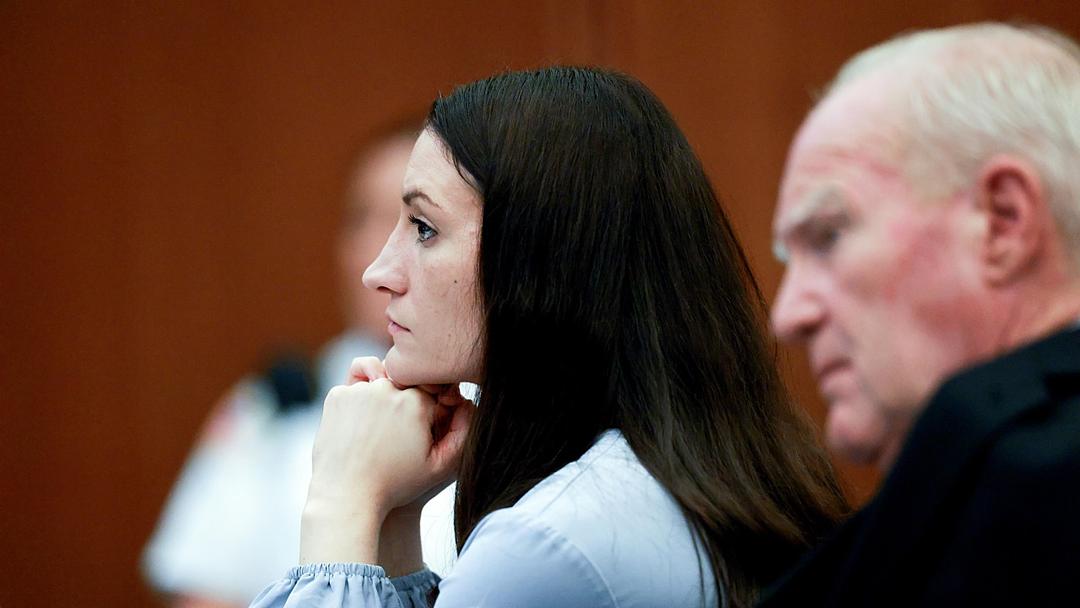
- A state trooper testified Thursday that Lindsay Clancy, 36, who is on trial for the murders of her three children in 2023, wrote in a Nov. 3, 2022, phone journal entry that she wanted a fourth child but needed "a good therapist before then." She also wrote that she did not want her youngest child to be her last.
- State Trooper Timothy Chiappini testified Clancy's phone showed a Jan. 20, 2023, search for "can you treat a sociopath" and later searches for a nearby restaurant menu and pediatric stool softeners on the day of the killings.
- Defense attorney Kevin Reddington asked Chiappini about searches including "how to slit your throat to die" and disabling car airbags, though the trooper said he did not recall those specific searches.


Sources Split
LEFT
CENTER
RIGHT
+2


+3


ESTAB
CRIT
CENTER
PRO
ESTAB
The Spin
Narrative A
Lindsay Clancy admittedly strangled her three kids, and no amount of postpartum talk changes this. Justice for Cora, Dawson and Callan means accountability, not an insanity excuse built on speculation. Mental illness can help explain behavior, but it does not erase responsibility.

Narrative B
Postpartum psychosis is a documented medical condition that can trigger delusions and hallucinations, and it carries real risks of infanticide and suicide when untreated. Mental health screening gaps leave women like Clancy without the care they desperately need during the highest-risk weeks after birth. Decades of research have demonstrated just how devastating this illness can become — and that evidence must not be overlooked.

Narrative C
While Clancy's husband isn't a suspect, that doesn't mean questions about the case should be dismissed without scrutiny. Online theories point to his account of the timeline, his explanation of communications that night, Lindsay's injuries and other circumstances viewed as suspicious. Those claims should not be taken as proof of his involvement, but if the evidence behind them is credible, investigators should be willing to examine inconsistencies rather than assume every unanswered question has already been settled.
Narrative D
Online speculation can turn unanswered questions into accusations long before evidence supports them. In the Clancy case, viral theories have targeted Patrick despite neither side alleging he killed the children. Repetition can make conjecture seem credible, harming innocent people and distracting from the evidence actually being tested in court.
Go Deeper



© 2026 Improve the News Foundation.
All rights reserved.
Version 7.17.1