China in Africa: History, Presence and Strategy

Overview
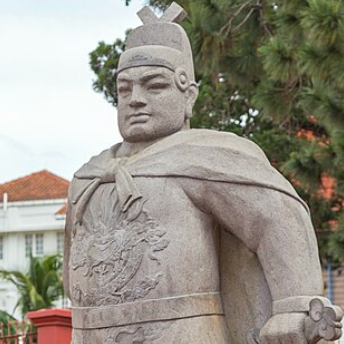
- China-Africa contact stretches back centuries. Indian Ocean trade linked China and the East African coast long before modern foreign policy. The Yuan-era traveler and merchant Wang Dayuan documented parts of the region, while Zheng He's fifteenth-century Ming voyages established direct diplomatic contact with Swahili coastal rulers.
- During the Cold War, China built on the anti-colonial spirit of the 1955 Bandung Conference, supporting African liberation movements through political solidarity, military training and infrastructure aid. After the Sino-Soviet split, Beijing increasingly competed with Moscow for influence among revolutionary movements and governments.
- Following Reform and Opening Up, Beijing shifted from Mao-era ideological aid toward trade, investment, engineering contracts and concessional finance. Commercial engagement increasingly replaced revolutionary diplomacy, linking China's Africa policy more closely to its own economic modernization and laying the foundations for the modern China-Africa relationship.


Sources Split
LEFT
CENTER
RIGHT
+4
+5
+3
+5

+2
+5

+1

+1


+3

+2
+1
ESTAB
CRIT
CENTER
PRO
ESTAB
The Spin
Pro-China narrative
China's Africa policy is a serious development offer in a world where Western lectures rarely lead to the construction of roads, ports, railways, or power plants at scale. The debt-trap label flattens African agency and turns governments into victims. Beijing brings financing, speed, trade access and fewer political conditions, which many African states value. The relationship has flaws, but it has delivered tangible results that benefit both Africa and China.


Anti-China narrative
China's Africa policy is power politics with commercial packaging. Infrastructure loans, railways, ports, mines and industrial zones strengthen Beijing's leverage while binding African economies to raw material exports. The rhetoric of South-South solidarity hides a pursuit of resources, markets and political influence. African elites gain prestige projects, while workers, communities and taxpayers can be left carrying the economic and social costs.


Narrative C
The outcomes of China-Africa engagement depend on African governance and negotiating power as much as Beijing's policies. Chinese finance and trade work when states negotiate hard, enforce standards and link projects to local industry, but fail when leaders accept bad terms or hide contracts. The smartest strategy is competition among China, the U.S., Europe, Gulf states and local capital, while adding value at home rather than exporting raw materials.


Early Contacts
Long before the Ming admiral Zheng He led his famous treasure fleets to East Africa in the early fifteenth century, the Swahili coast was home to a prosperous network of merchant city-states within a thriving Indian Ocean trading world linking Africa with Arabia, Persia, India and China.
Cities such as Kilwa, Mogadishu, Mombasa and Malindi flourished as commercial hubs linking African producers with merchants from Arabia, Persia and India. They exported goods including gold and ivory while importing textiles, ceramics, metals and luxury goods, becoming some of the Indian Ocean's most prosperous trading centers. Archaeological discoveries of Chinese ceramics along the East African coast point to commercial exchange centuries before Zheng He's voyages.
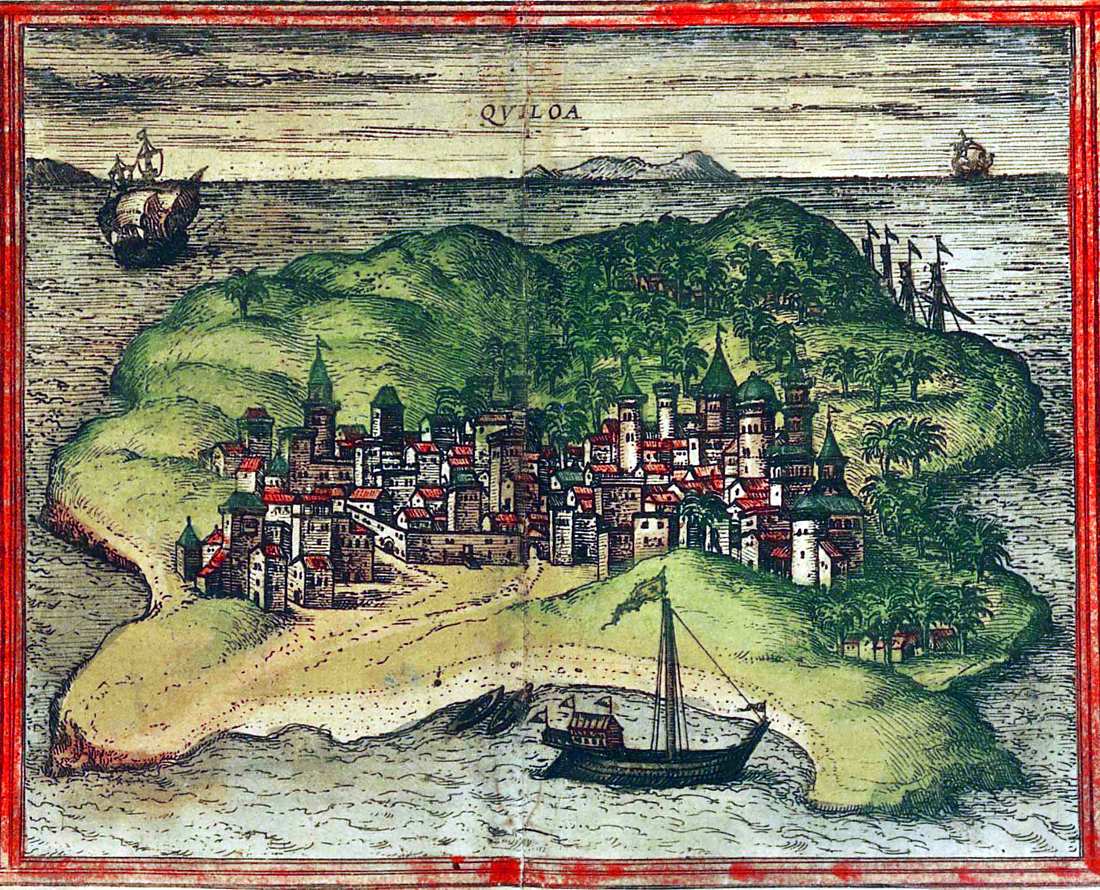
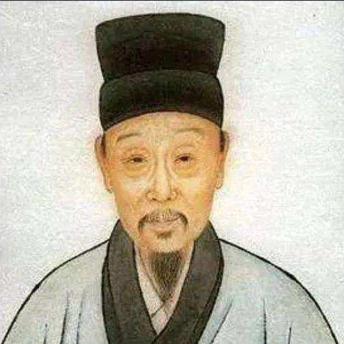
In the fourteenth century, Yuan traveler Wang Dayuan described parts of the East African coast in his Daoyi Zhilue, providing one of the earliest Chinese written accounts of the region. Much of this exchange appears to have passed through Arab, Persian and Indian merchant networks rather than regular direct Chinese voyages, allowing Chinese goods to reach East Africa centuries before sustained diplomatic contact. These early contacts reflected trade, geographical knowledge and indirect commercial exchange rather than sustained Chinese political involvement or permanent diplomatic representation.
Ming Voyages
From 1405 to 1433, Zheng He led seven ocean expeditions for the Ming emperor. When the fleets reached the Swahili coast, they entered prosperous ports that had long traded with merchants from across the Indian Ocean. Mogadishu, Malindi and other Swahili city-states became the westernmost destinations of Ming maritime diplomacy.
The expeditions combined diplomacy, trade and displays of imperial prestige, carrying gifts and commercial goods while seeking tribute from foreign rulers. The voyages also gathered geographical knowledge and strengthened China's diplomatic presence across the Indian Ocean. They did not, however, establish a lasting Chinese political presence along the East African coast.
Coastal Rulers and Tribute
Between 1417 and 1419, the sultan of Mogadishu and possibly the sultan of Malindi received Ming officials representing the Yongle emperor. While Swahili rulers viewed these exchanges as commerce and diplomacy, the Ming court understood them within its tribute system, which placed foreign rulers within an imperial hierarchy while allowing trade to flourish.
For the Swahili city-states, participation enhanced prestige and expanded commercial opportunities, while for the Ming court it reinforced the emperor's claim to universal authority despite the two sides interpreting the relationship differently. The fleets returned animals and other gifts to China, including a giraffe that became a celebrated symbol of the court's far-reaching contacts.
Evidence and Limits
Historical accounts describe Zheng He's fleet as numbering about 300 ships and roughly 28,000 men. Ming porcelain has been found on the northern Kenyan coast, and a Kenya-China archaeological project launched in 2010 searched near Lamu and Malindi for evidence of a suspected Chinese shipwreck. A coin found at Mambrui was identified as a Yongle Tongbao, minted between 1403 and 1424, suggesting it may have been brought by Ming envoys.
Archaeological evidence nevertheless remains limited, and historians continue to debate the scale of direct Ming engagement in East Africa. Much of the commerce likely continued to rely on the wider Indian Ocean trading network rather than sustained Chinese voyages. After Zheng He's death, the voyages were quickly neglected as China turned away from large-scale maritime exploration, leaving little lasting institutional foundation for Africa-China relations before the twentieth century.
Later Ming rulers increasingly focused on domestic priorities and defending China's northern frontiers, while restrictions on maritime activity reduced state-sponsored overseas expeditions. Although commercial exchange continued through regional traders, official diplomatic engagement with East Africa largely disappeared for centuries.


The Spin
Pro-China narrative
China-Africa relations have deeper roots than today's geopolitical debate suggests. Long before European colonial expansion, Chinese merchants and Zheng He's fleets engaged with East Africa through the Indian Ocean trading system. Unlike Europe's later relationship with Africa, these contacts treated African states as partners rather than objects of conquest, colonial rule and exploitation. China's current engagement revives a relationship that predates European expansion.


Anti-China narrative
Beijing's use of Zheng He as proof of a peaceful rise deserves suspicion. The Ming voyages have been polished into a comforting origin story for China's modern global ambitions, while the harder questions of power, coercion and political legitimacy are pushed aside. History becomes less a record of the past than a carefully curated branding tool for foreign policy, presenting China's expanding influence as the natural continuation of a peaceful historical tradition.


Narrative C
The background should not cast Africa as a stage where China simply arrived and acted. Long before Zheng He's fleets reached the Swahili coast, East Africa was already a thriving trade crossroads linking south, west and east, and finds such as Ming-era coins on Kenya's coast point to contact within a wider Indian Ocean world. African ports, rulers and societies were active participants in these exchanges and belong at the center of this story, not at its margins.


Cold War Solidarity and Statecraft
The Bandung Conference, held in Indonesia from April 18 to 24, 1955, brought together 29 newly independent Asian and African nations, with Burma, India, Indonesia, Pakistan and Sri Lanka serving as co-sponsors.
The attendees represented about 1.5 billion people and nearly half of the U.N.'s membership at the time. Bandung became associated with Asian-African solidarity, and later accounts connect its legacy to the Non-Aligned Movement and the Group of 77.
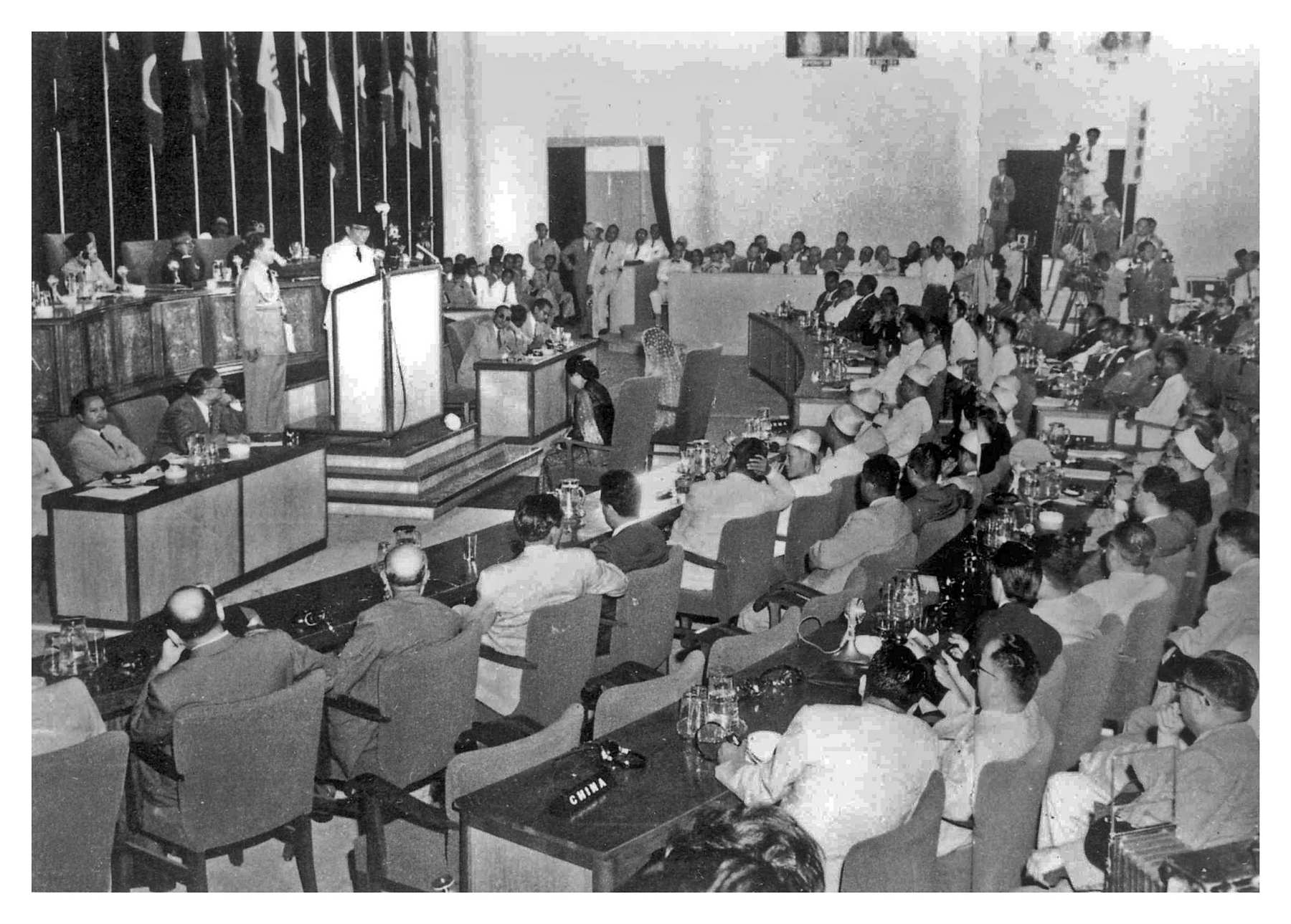
Although it created no formal China-Africa partnership, Bandung established the political language of Afro-Asian solidarity that Beijing would invoke for decades. The political opening soon produced concrete diplomatic ties: on May 30, 1956, Egypt became the first African country to establish diplomatic relations with the People's Republic of China, opening the way for Beijing to build formal relations across the continent.
Zhou Enlai and the Eight Principles
China's engagement accelerated during Premier Zhou Enlai's major tour of Africa in 1963-64, when he visited 10 African countries as Beijing sought closer ties with newly independent states. In January 1964, Zhou outlined China's Eight Principles for foreign economic and technical assistance, emphasizing equality, mutual benefit, respect for sovereignty, interest-free or low-interest loans and support for recipient countries' economic self-reliance.
China also pledged that its experts would receive no better treatment than local counterparts. The principles helped define Beijing's approach to development cooperation and established themes — sovereignty, equality and mutual benefit — that would remain central to China's official Africa policy for decades.
Party Outreach and Revolutionary Movements
Building on Bandung, Beijing expanded political engagement across Africa through party organizations, solidarity committees and anti-colonial diplomacy. Beginning in the mid-1950s, the Chinese Communist Party created organizations to support political outreach and anti-colonial movements in Africa.
During the Cold War, both China and the Soviet Union backed revolutionary movements across Africa. Chinese support extended to struggles in countries including Congo and Angola, often providing military training, weapons and political backing to different movements. Beijing also supported groups fighting Portuguese and white-minority rule, including the Mozambique Liberation Front (FRELIMO) in Mozambique and the Zimbabwe African National Union (ZANU) in Zimbabwe (then Rhodesia), through training, arms and political assistance.
Angola, Mozambique and Zimbabwe
China's support for African liberation groups was not a single, unified program because movements such as Angola's Popular Movement for the Liberation of Angola (MPLA), Mozambique's FRELIMO, Zimbabwe's ZANU and ZAPU, and the PAIGC in Guinea-Bissau and Cape Verde operated within local conflicts and broader socialist rivalries. Beijing's backing often reflected both local conditions and its growing rivalry with Moscow.
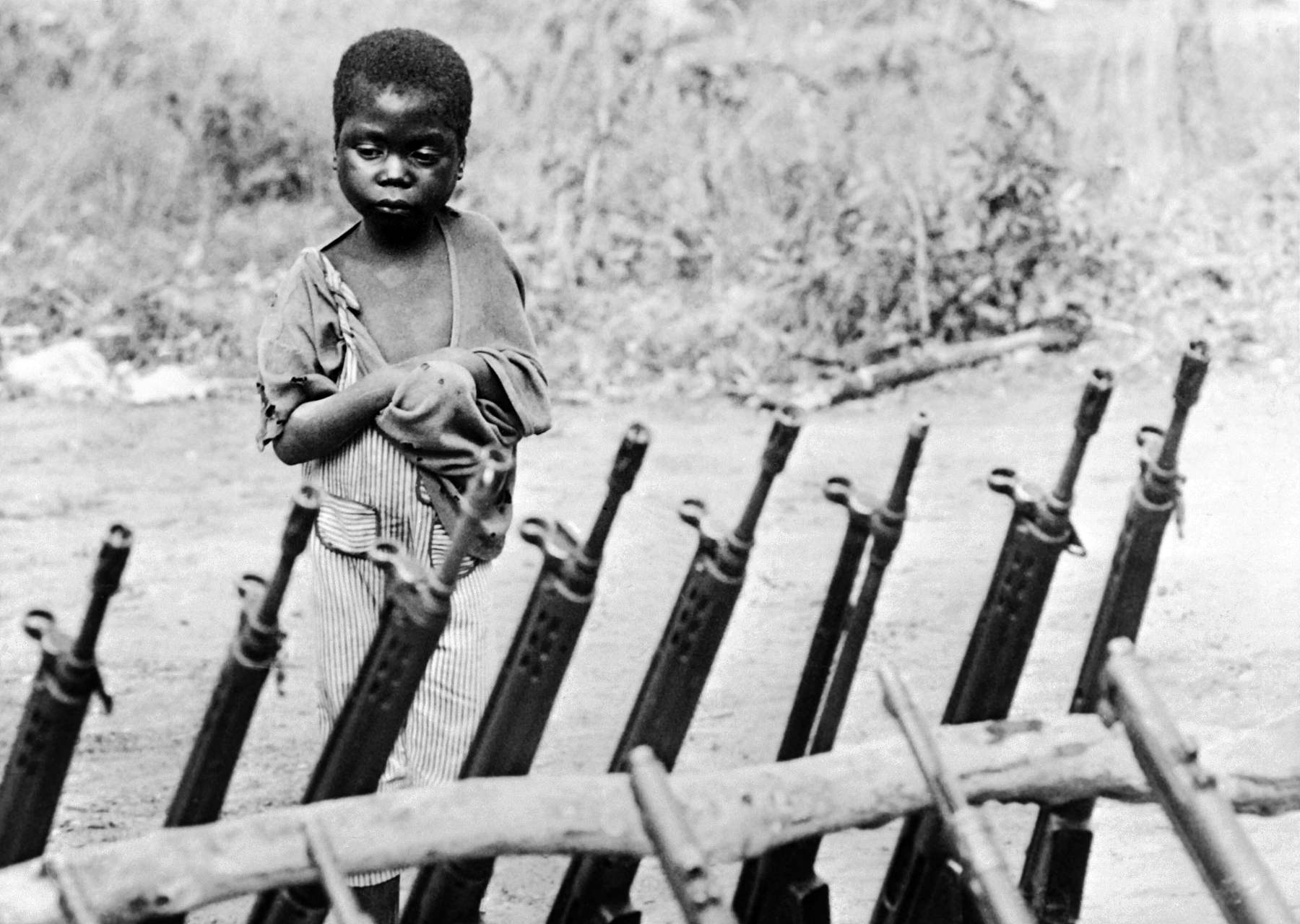
In Rhodesia, the white-minority-ruled state that became Zimbabwe in 1980, China became closely associated with the Zimbabwe African National Union (ZANU) and its armed wing, while the Soviet Union primarily backed the rival Zimbabwe African People's Union (ZAPU). In Angola, Beijing's relationships shifted among competing movements as Soviet support increasingly centered on the MPLA. The Sino-Soviet split fundamentally reshaped China's Africa policy, turning revolutionary solidarity into both an ideological project and geopolitical competition with the Soviet Union.
African Support and China's U.N. Seat
The relationship was not one-directional. African governments also became important diplomatic partners for Beijing as it competed with Taiwan for international recognition. On Oct. 25, 1971, U.N. General Assembly Resolution 2758 restored the People's Republic of China's representation at the United Nations and expelled the representatives of Chiang Kai-shek.
African support contributed significantly to the vote, giving Beijing one of its most important diplomatic victories of the Cold War and demonstrating the growing political weight of its relationships across the continent.
The TAZARA Railway Project
China's support for the Tanzania-Zambia Railway (TAZARA) marked one of its most ambitious early projects in Africa. Built between 1970 and 1975, the 1,860-kilometer railway became China's largest aid project on the continent. China provided more than $400 million in long-term interest-free financing, giving landlocked Zambia an outlet independent of southern routes through Rhodesia and apartheid South Africa. The project linked Zambia's copper-producing economy to the Tanzanian port of Dar es Salaam, reducing its dependence on transport corridors controlled by white-minority governments to the south.
Economic Engagement
From 1949 to the late 1970s, China's Africa policy was driven primarily by political and strategic objectives rather than commercial interests, supporting revolutionary movements, competing with Taiwan for diplomatic recognition and advancing the One China principle.
After Reform and Opening Up began in 1978, Beijing gradually shifted toward trade, investment and commercial cooperation. Political solidarity remained central, but economic development increasingly became the primary vehicle for engagement.
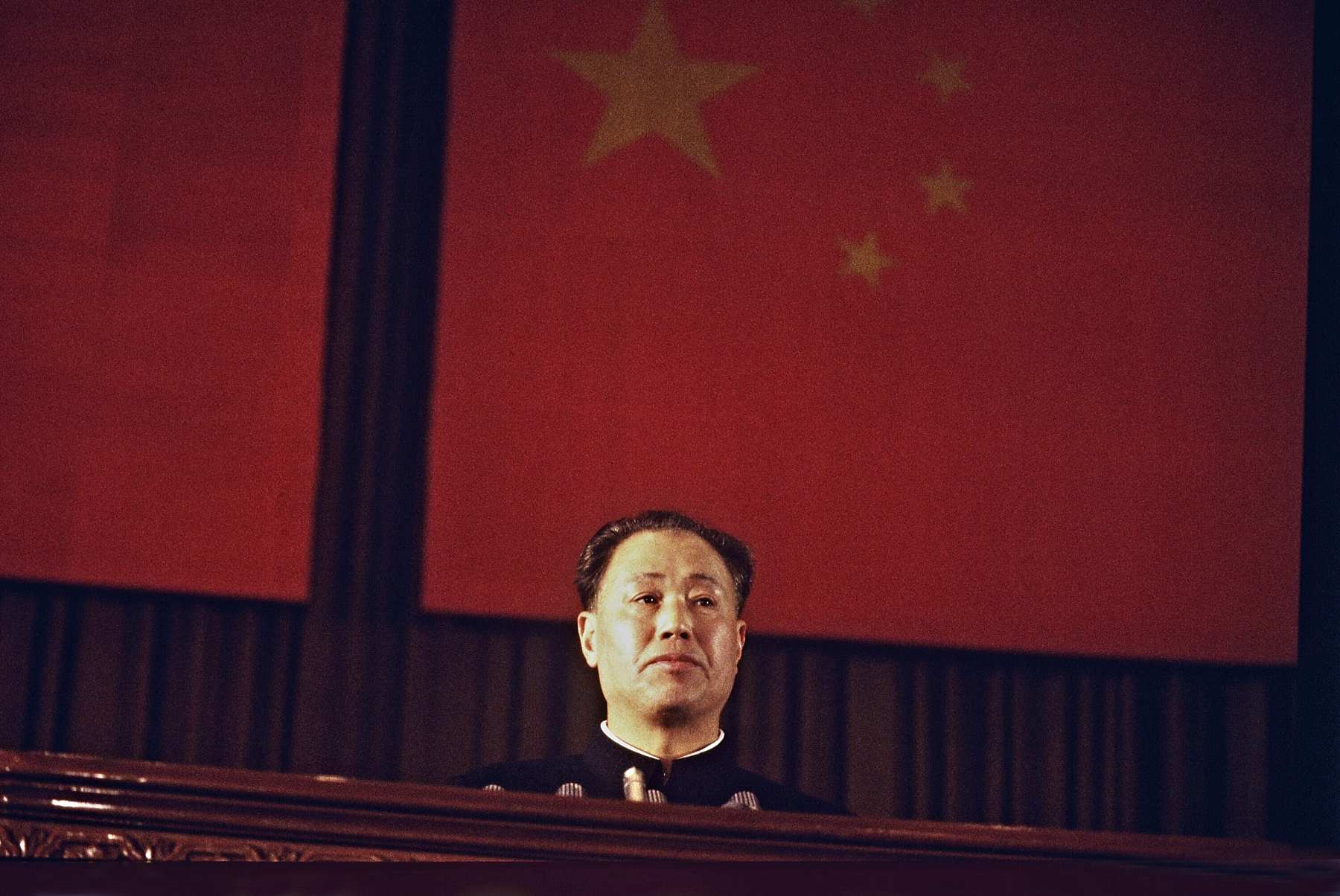
At the Communist Party's 12th National Congress in 1982, China's international outlook shifted from "war and revolution" to "independent foreign policy of peace," while Beijing reduced the resources devoted to traditional foreign aid. Africa policy increasingly became tied to China's own modernization and economic priorities.
Zhao Ziyang's Four Principles
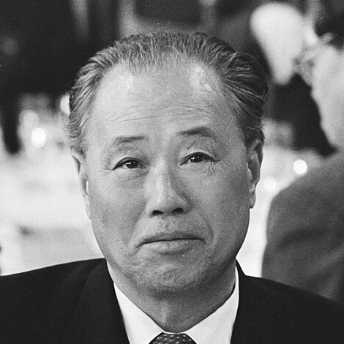
Premier Zhao Ziyang toured 11 African countries in 1982-83 and introduced four principles of economic and technical cooperation emphasizing equality and mutual benefit, practical results, diversity in forms and common development. Unlike Zhou Enlai's earlier Eight Principles, which had primarily framed China's assistance to developing countries, Zhao's approach placed greater emphasis on bilateral cooperation and mutual economic benefit.
The shift reflected China's domestic modernization agenda, as foreign exchange, technology, overseas contracts and export markets became more important than Mao-era revolutionary patronage. China-Africa trade increased from about $1 billion in 1980 to roughly $6.5 billion by 1999.
Tiananmen and Diplomatic Consolidation
Following the Chinese government's military suppression of the 1989 protests in Beijing, many Western governments imposed sanctions and diplomatic restrictions. Many African governments did not join the Western condemnation, reinforcing China's view of African states as valuable diplomatic partners at a moment of international isolation.
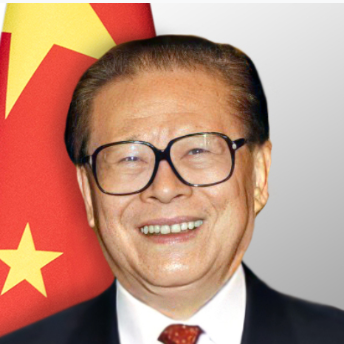
In the three years after Tiananmen, Foreign Minister Qian Qichen visited 14 African countries as Beijing intensified high-level engagement across the continent. Since 1991, China's foreign minister has made Africa the first overseas destination of each new year, establishing a diplomatic tradition that continues today. During a six-country African tour in May 1996, President Jiang Zemin presented a five-point proposal for strengthening China-Africa relations at the Organization of African Unity, calling for sincere friendship, equality, solidarity and cooperation, common development and a relationship oriented toward the future.
Diplomatic Recognition and Institution Building
China established the Export-Import Bank of China in 1994, with its concessional lending program beginning the following year. Beginning in 1995, Beijing also established 11 investment development and trade promotion centers in Africa, reflecting the growing institutionalization of commercial ties before FOCAC. South Africa switched diplomatic recognition from Taiwan to the People's Republic of China on Jan. 1, 1998, marking one of Beijing's most significant diplomatic victories in Africa and reinforcing the One China principle.
The move was particularly significant because post-apartheid South Africa had emerged as one of the continent's most influential diplomatic and economic powers. The decision, taken under President Nelson Mandela's government, was later followed by President Thabo Mbeki's efforts to deepen South Africa's strategic partnership with Beijing.
FOCAC and Institutional Partnership
The Forum on China-Africa Cooperation (FOCAC), established in 2000, institutionalized China's relations with Africa through a permanent framework for collective dialogue and practical cooperation.
The inaugural ministerial process included ministers from China and 44 African countries. The 2000 Beijing Declaration described FOCAC as a framework for collective dialogue based on equality and mutual benefit.
The accompanying cooperation program also included China's commitment to reduce or cancel RMB10 billion ($1.2 billion) in debt owed by heavily indebted poor and least developed African countries over the following two years, giving the new forum an immediate economic dimension.
Early Program and Mechanisms
The 2000 Programme for China-Africa Cooperation committed China and African ministers to cooperate in all fields, especially social and economic development. FOCAC's stated objectives include equal consultation, better understanding, expanded consensus, stronger friendship and cooperation.
Its follow-up mechanisms, formally established in 2002, created several levels of continuing consultation, including ministerial conferences every three years, senior officials' meetings and regular consultations between African diplomats in Beijing and Chinese officials. Each ministerial cycle reviews earlier commitments and adopts multi-year action plans that guide cooperation across trade, investment, infrastructure, health, education, and security.
Non-Interference and Mutual Benefit
China's stated non-interference policy became a prominent principle in its Africa engagement and was often contrasted with Western conditional-aid models. The 2000 Beijing Declaration explicitly rejected foreign interference in states' internal affairs and unilateral coercive economic measures.
Academic accounts note that non-interference has been well received by some Global South governments but criticized by Western officials and some African civil society actors as inconsistent or resource-driven. This tension shaped FOCAC because the forum's official language emphasized equality and sovereignty while critics questioned whether growing Chinese economic leverage could still produce political influence.
2006 Summit Expansion
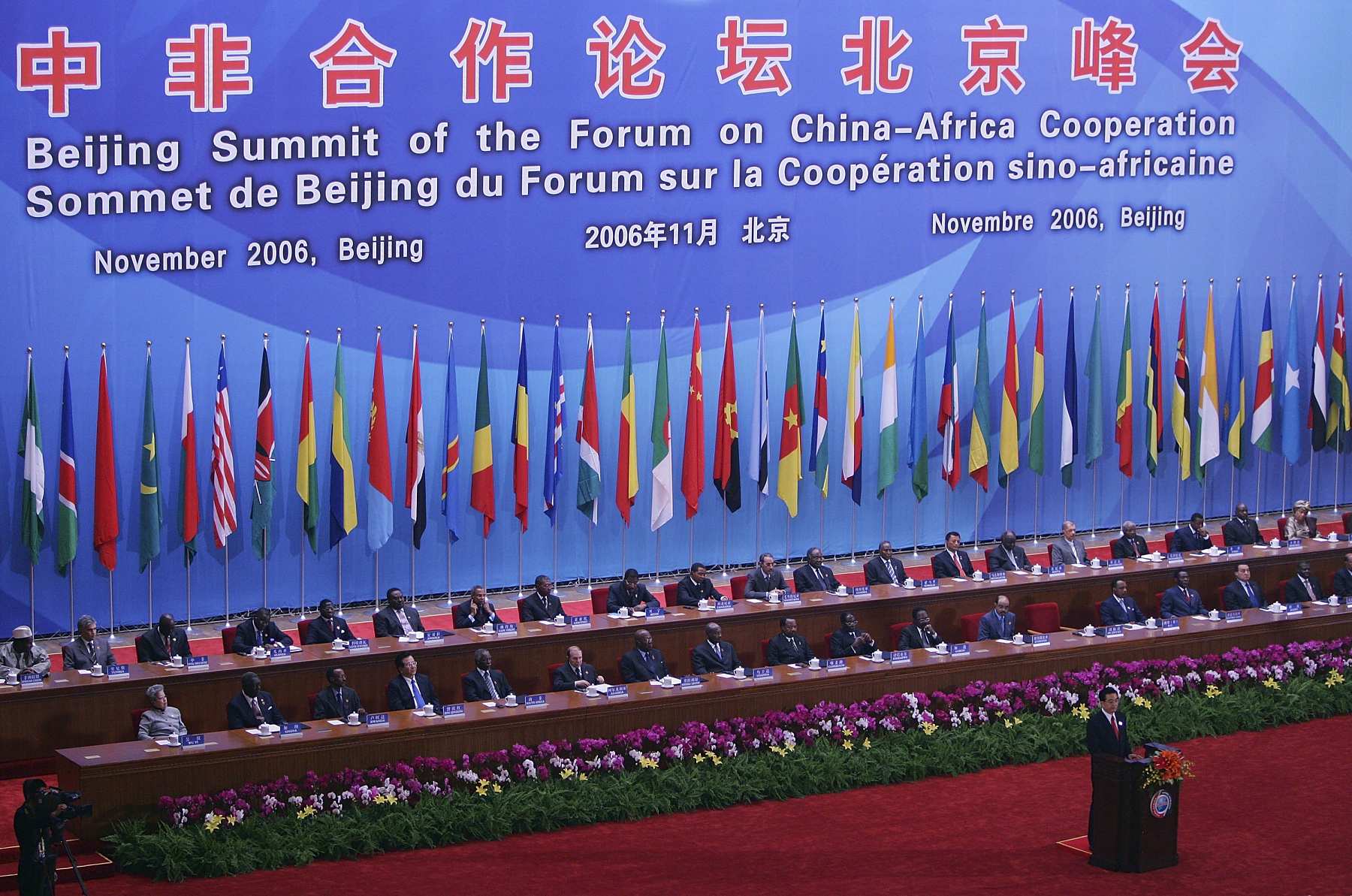
China and 48 African countries met in Beijing on Nov. 4-5, 2006, for a FOCAC summit marking 50 years of diplomatic relations. At the summit, President Hu Jintao pledged $3 billion in preferential loans and $2 billion in preferential buyer's credits, further debt relief and a doubling of aid by 2009. Beijing also announced a China-Africa Development Fund that would eventually reach $5 billion, expanded zero-tariff access for exports from African least developed countries and pledged new cooperation in agriculture, health, education and professional training. The summit formally elevated the relationship to a "new type of strategic partnership" centered on political equality and mutual trust, economic cooperation and cultural exchange.
The summit also signaled China's transition from a secondary development partner to one of Africa's leading economic and diplomatic actors. African leaders, including South African President Thabo Mbeki and Nigerian President Olusegun Obasanjo, used the summit to press for expanded trade, investment and infrastructure cooperation with China. Contemporary reporting described the summit as a major diplomatic initiative while also noting concerns about oil, markets, governance and the balance of benefits.
Resources and Infrastructure
In 2004, Angola and China pioneered a model that linked natural resources to infrastructure financing through oil-backed concessional loans for public investment projects.
An initial $2 billion credit line from China's Export-Import Bank helped finance postwar reconstruction, with oil revenues providing security for repayment and Chinese companies carrying out infrastructure projects.
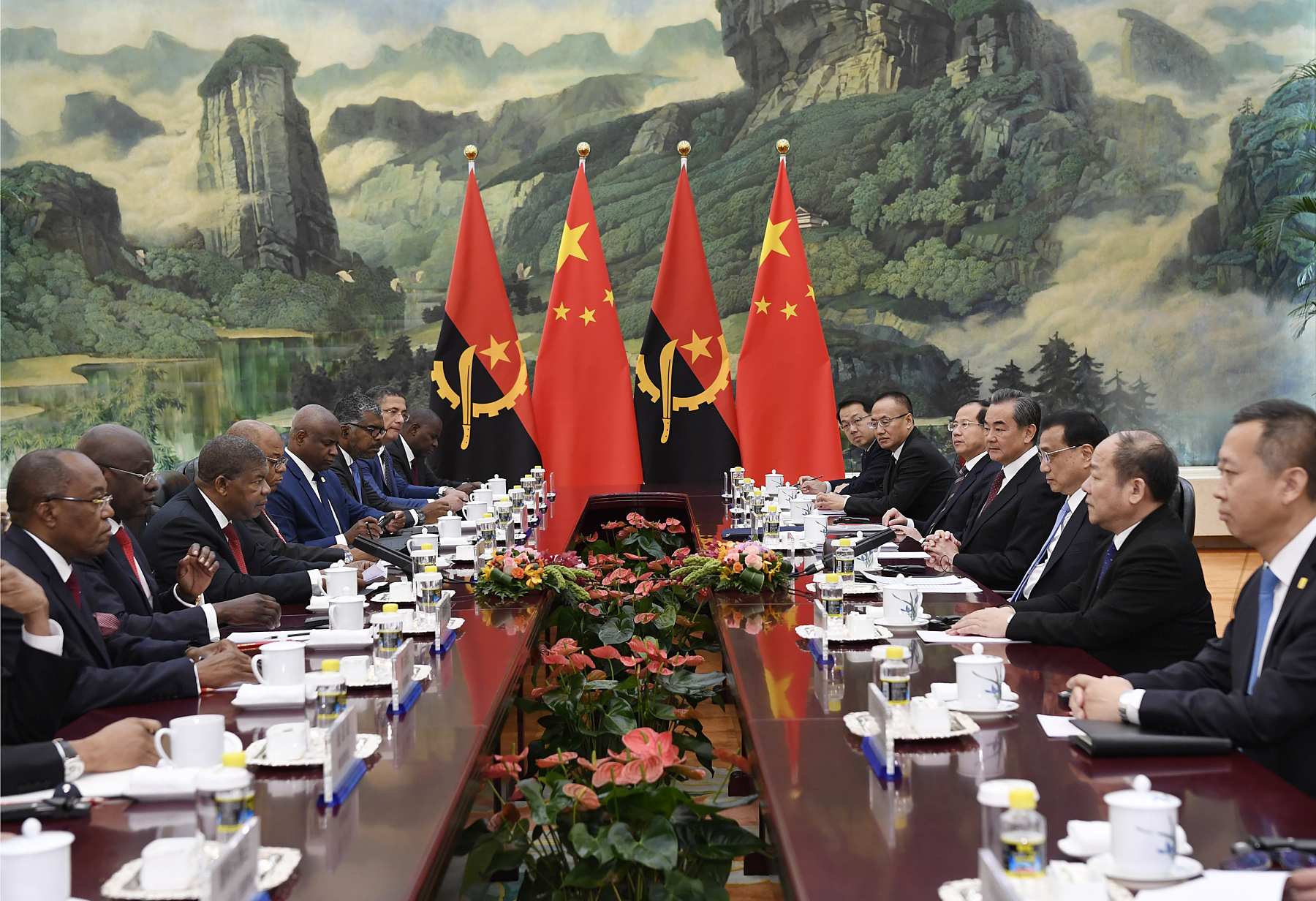
This arrangement became widely known as the "Angola Model." The arrangement matched Angola's urgent postwar reconstruction needs with its oil export capacity and became a template for later resource-backed financing elsewhere in Africa. Angola has been the largest African recipient of Chinese lending since 2000, reflecting the exceptional scale of the financial relationship between the two countries.
Oil and Repayment Risks
Angola was China's second-largest crude oil supplier in 2010 after Saudi Arabia, but by 2023 it ranked eighth among China's oil suppliers. The decline reflected changes in China's import mix as Beijing bought more crude from the Gulf, Russia and other Asian suppliers. Analysts and development institutions have argued that resource-backed loans can fund infrastructure but also raise transparency, commodity-price and debt-management risks.
According to the World Bank, resource-backed loans accounted for nearly 10% of new borrowing in sub-Saharan Africa between 2004 and 2018, while more than 15 countries held such debt without publicly disclosing details of the underlying collateral arrangements. Supporters argue that outcomes depend largely on domestic governance, contract design and commodity market conditions rather than the financing model alone.
Sudan and South Sudan
Beginning in 1999, a Chinese-made pipeline carried Sudanese crude about 1,000 miles to the Red Sea for shipment to China. Upon South Sudan's independence in 2011, China opened an embassy in Juba and moved to protect its oil interests there. Independence complicated Beijing's position because much of the former Sudan's oil production was now located in South Sudan while export pipelines and infrastructure continued to run north through Sudan to the Red Sea. China therefore had significant interests on both sides of the new border.
Beijing also became more diplomatically engaged and later contributed peacekeepers to the U.N. mission in South Sudan, marking a gradual shift from its traditionally non-interference-focused approach. In early March 2012, Sudan allegedly bombed the El Nar oil field near the Sudan-South Sudan border, forcing Chinese and other foreign workers to flee.
Cobalt, Copper and Bargaining
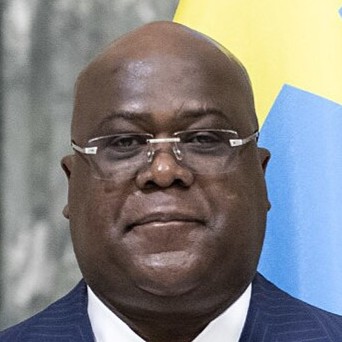
The Democratic Republic of Congo (DRC) is the world's largest cobalt producer, and cobalt is a critical mineral used in batteries, aerospace, defense and other high-technology industries. China's Sicomines minerals-for-infrastructure deal was signed in 2007–08 for $9 billion and later reduced to $6 billion. In August 2021, DRC Finance Minister Nicolas Kazadi said the government was reviewing the agreement to assess whether it was fair and effective. President Félix Tshisekedi backed the review as part of broader efforts to secure greater fiscal returns and local benefits from the agreement.
The negotiations eventually produced a revised agreement in 2024 under which the Chinese partners committed up to $7 billion for infrastructure, demonstrating that African governments could use contract reviews to seek substantially greater returns from earlier resource-for-infrastructure deals. The renegotiation reflected a broader trend across Africa, with governments seeking greater transparency, local value creation and fiscal benefits from Chinese-backed projects.
Zambia's copper sector offered another example of expanding Chinese resource investment. In 2024, China Nonferrous Metals Company invested $500 million to revive mining at a long-dormant shaft at Luanshya Copper Mines, a project expected to create about 3,000 jobs. Chinese mining company JCHX also committed $300 million to Lubambe Copper Mine after acquiring a controlling stake, highlighting China's continuing role in Zambia's efforts to expand copper production.
China's Belt and Road Initiative (BRI)
In 2013, Xi Jinping proposed the Silk Road Economic Belt and the 21st Century Maritime Silk Road, later combined as the Belt and Road Initiative (BRI).
Rather than marking a new beginning, the BRI brought together China's existing overseas infrastructure and financing activities under a broader strategic framework.
Across Africa, the initiative expanded the role of Chinese financing and construction in transport, energy, telecommunications and other infrastructure while building on relationships and lending mechanisms established before 2013.
Kenya's Standard Gauge Railway
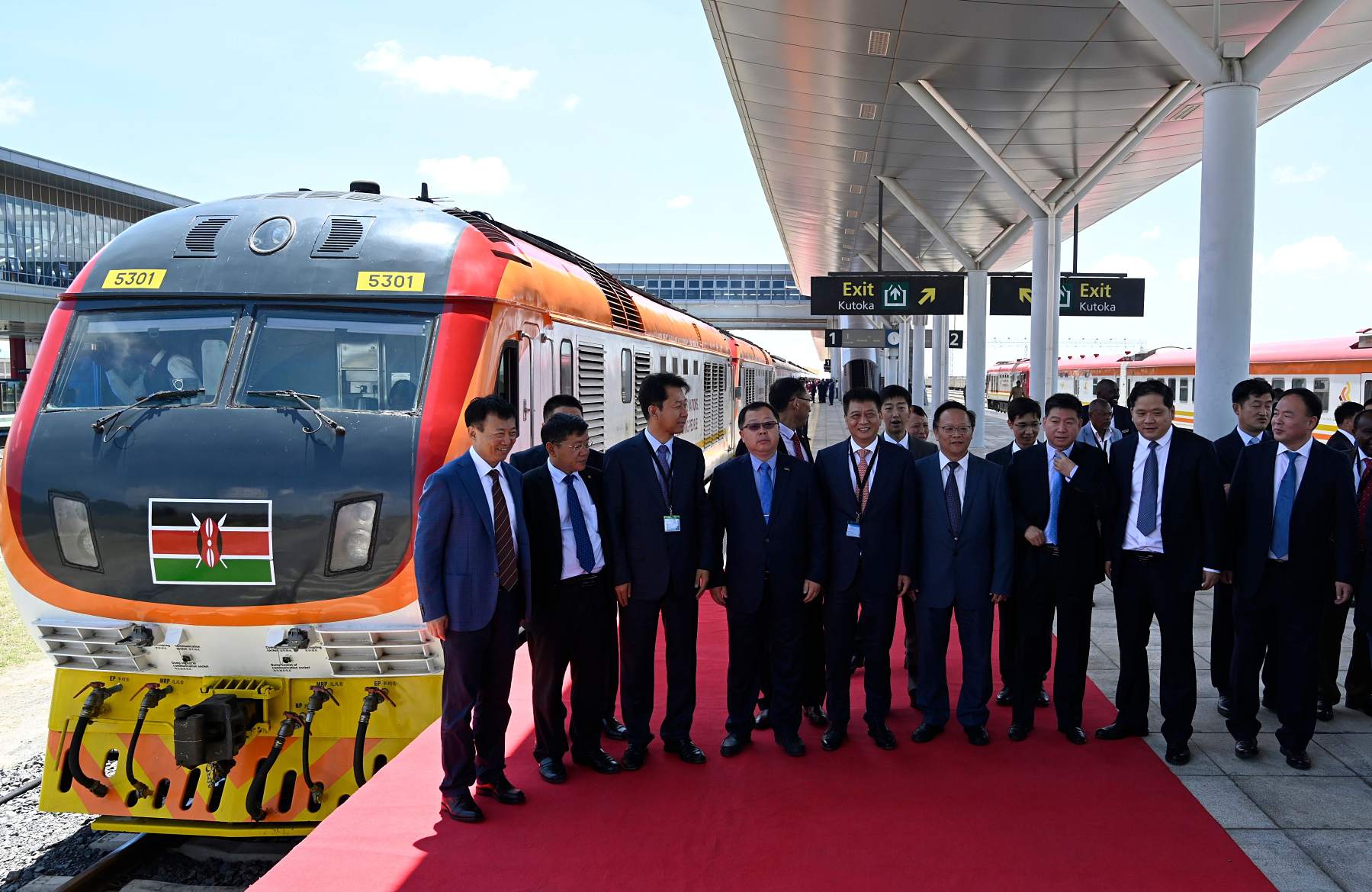
Kenya's Chinese-built Standard Gauge Railway (SGR) between Mombasa and Nairobi opened in 2017 and began operations that year. The broader railway project cost roughly $4.7 billion, making it one of Kenya's largest infrastructure investments. On Dec. 3, 2015, China Eximbank signed a $1.4 billion buyer's credit loan agreement with Kenya for the Nairobi–Naivasha SGR Phase 2A. Two years after the first section opened, construction stalled because funding for the planned 1,000-kilometer extension to Uganda failed to materialize.
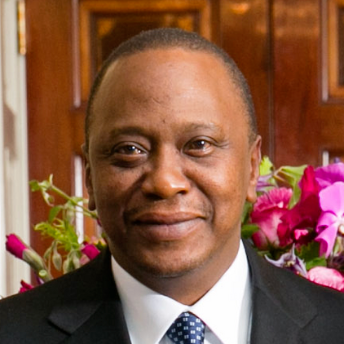
The missing cross-border connection weakened the railway's original ambition to link Mombasa with landlocked markets deeper in East Africa. Supporters cite faster freight transport and improved logistics, while critics question whether demand has justified the railway's cost. President Uhuru Kenyatta defended the railway as a cornerstone of Kenya's long-term industrialization strategy despite growing criticism over its costs and debt burden.
Transparency and Renegotiation
Kenya published loan documents on Nov. 7, 2022, covering $3 billion in Chinese loans tied to the Chinese-built railway, becoming one of the few African countries to release major Chinese loan contracts in full. Following their release, several analysts concluded that the documents did not support claims that Mombasa Port had been pledged as collateral for the railway.
In January 2021, China agreed to defer $245 million in Eximbank loan repayments, illustrating how the railway became part of broader debt-management negotiations. Several other African governments also sought repayment deferrals or debt restructuring during the early 2020s.
Digital Silk Road
Alongside transport infrastructure, Chinese firms expanded telecommunications networks, fiber-optic cables and smart-city technologies across Africa under the Digital Silk Road. Companies such as Huawei and ZTE became major suppliers of telecommunications equipment, making digital connectivity an increasingly important pillar of China's engagement on the continent.
Ethiopia became one of the clearest examples: Chinese government-linked telecommunications lending to the country totaled more than $3.5 billion between 2000 and 2018, according to the China-Africa Research Initiative, with roughly $2.7 billion financing projects carried out by ZTE and the remainder linked to Huawei. Chinese technology companies helped develop networks ranging from mobile communications and 4G infrastructure to fiber-optic connectivity, illustrating how China's infrastructure role expanded from roads and railways into Africa's digital systems.
Ports and Strategic Corridors
In Djibouti, Chinese entities financed and built port and rail projects, and China Eximbank signed a $344.5 million 2016 loan for Doraleh and Damerjog. Chinese companies also helped build the roughly $4 billion Ethiopia–Djibouti electric railway, strengthening a strategic transport corridor linking landlocked Ethiopia with Djibouti's ports. In 2017, China opened its first overseas military facility in Djibouti, making the country a prominent example of how Beijing's commercial infrastructure and strategic interests can overlap.
In Nigeria, the Nigerian Ports Authority and Lekki Port LFTZ Enterprise signed a concession for Lekki Deep Water Port on April 21, 2011, and China Harbour Engineering Company held a 52.5% indirect stake in the project company. The $1.5 billion port was inaugurated in 2023 with capacity to handle about 2.5 million containers annually, making it one of West Africa's largest deep-sea port projects and extending Chinese participation from infrastructure construction into long-term investment in major African trade gateways.
From Megaprojects to Selective Lending
China's infrastructure financing model has shifted significantly since the BRI's early years. Chinese loan commitments to Africa peaked at $28.8 billion in 2016 and fell to about $2.1 billion in 2024. Rather than abandoning economic engagement with Africa, Chinese lenders have become more selective, shifting away from some large dollar-denominated infrastructure loans toward smaller and more commercially focused projects, yuan-denominated financing and other investment models. The change reflects greater attention to repayment risks as well as changing economic conditions in China and across African borrower countries.
Chinese Lending, Debt and Restructuring
Chinese lending has become a central feature of Africa's infrastructure financing, but it has also intensified debates over debt sustainability, transparency and restructuring.
While critics argue that large infrastructure loans have increased fiscal vulnerabilities in some countries, supporters contend that Chinese financing has helped address longstanding infrastructure gaps left by other lenders.
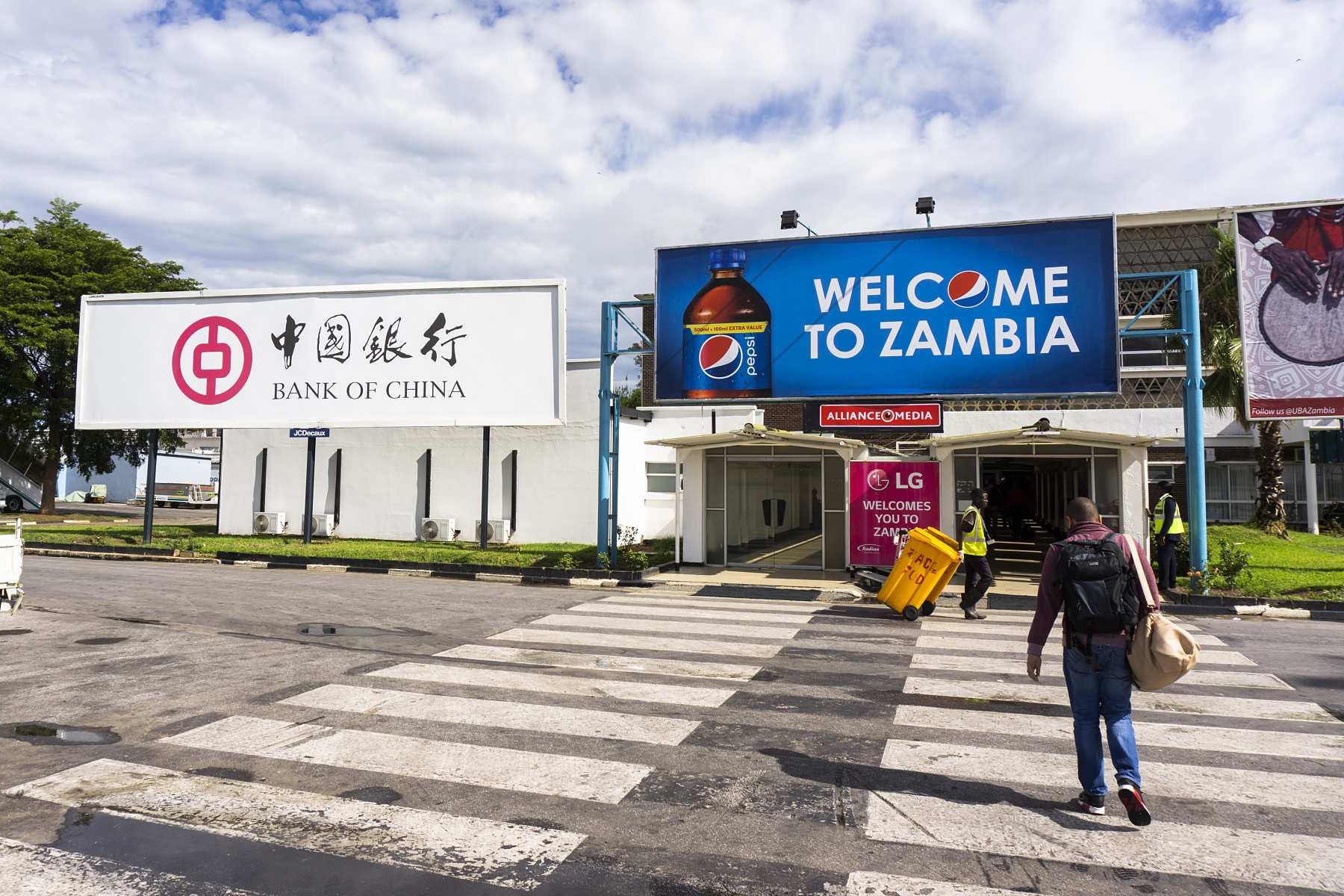
Zambia's debt crisis became a major test case for sovereign debt restructuring involving Chinese and other international creditors. It also exposed the complexity of restructuring debt owed across different creditor groups, including Chinese policy banks and commercial lenders, international bondholders, multilateral institutions and other bilateral creditors.
Zambia's Debt Crisis
In November 2020, Zambia became the first African country to default during the COVID-19 pandemic after missing payments on its international bonds. The default followed years of heavy external borrowing, slowing economic growth and mounting debt-servicing pressures. It became a major test case because Zambia owed money to Chinese lenders, bondholders, multilateral institutions and other official creditors.
In January 2021, Zambia requested debt treatment under the newly established G20 Common Framework, becoming one of the first countries to test a system designed to coordinate restructuring among traditional Paris Club creditors, China and other lenders.
Chinese Lending and Transparency
At the end of 2021, Zambia's external debt exceeded $17 billion, and about one-third was owed to China, according to Zambian government data. China was Zambia's largest bilateral creditor, but it discloses little about loan conditions or renegotiations with distressed borrowers.
A 2021 AidData study analyzed 100 Chinese lending contracts with government borrowers in 24 developing countries and found unusually broad confidentiality clauses, lender-controlled revenue accounts in some agreements and provisions restricting borrowers from including Chinese debt in collective restructuring processes. The study argued that such provisions could complicate crisis management and debt renegotiation, while also reflecting lenders' efforts to protect themselves against repayment risks.
Debt-Trap Debate
Critics of China's lending policy argue that Beijing intentionally overloads borrowers to gain leverage, but several scholars argue that the available evidence does not support a general pattern of deliberate asset seizure or strategic debt engineering. SAIS-CARI research on Zambia describes the problem as a debt tragedy of the commons involving multiple Chinese lenders, weak oversight and Zambian borrowing choices rather than a single coordinated trap. Other analyses emphasize that Zambia's debt crisis also reflects the global financial architecture, commodity dependence and IMF-linked policy choices, not only Chinese lending.
Common Framework and Relief
China joined Zambia's Official Creditor Committee under the G20 Common Framework in 2022 and co-chaired it with France, placing Beijing at the center of negotiations over Zambia's bilateral debt. In June 2023, Zambia reached an agreement with its official creditors to restructure about $6.3 billion in debt, followed by a memorandum of understanding in October. Zambia then reached an agreement with Eurobond holders in 2024 and completed the bond exchange that June, providing significant debt-service relief.
By November 2025, restructuring agreements covered about 94% of claims within Zambia's restructuring perimeter, including bilateral agreements with China, France, India and Saudi Arabia. In January 2026, the IMF described Zambia as the first country to restructure its post-COVID debt under the G20 Common Framework, although negotiations with some remaining commercial creditors continued. President Hakainde Hichilema's government made the restructuring a central economic priority after taking office in 2021, while the lengthy process highlighted both China's growing role in multilateral debt negotiations and the difficulties of coordinating increasingly diverse creditor groups.
Security and Military Presence
China's growing security presence in Africa reached a milestone in 2017 with the opening of its first overseas military base in Djibouti, following construction that began in 2016.
Beijing describes the site as a logistics facility supporting peacekeeping, anti-piracy and humanitarian missions. The base builds on China's naval presence in the region, where the People's Liberation Army Navy had conducted anti-piracy patrols in the Gulf of Aden since 2008.
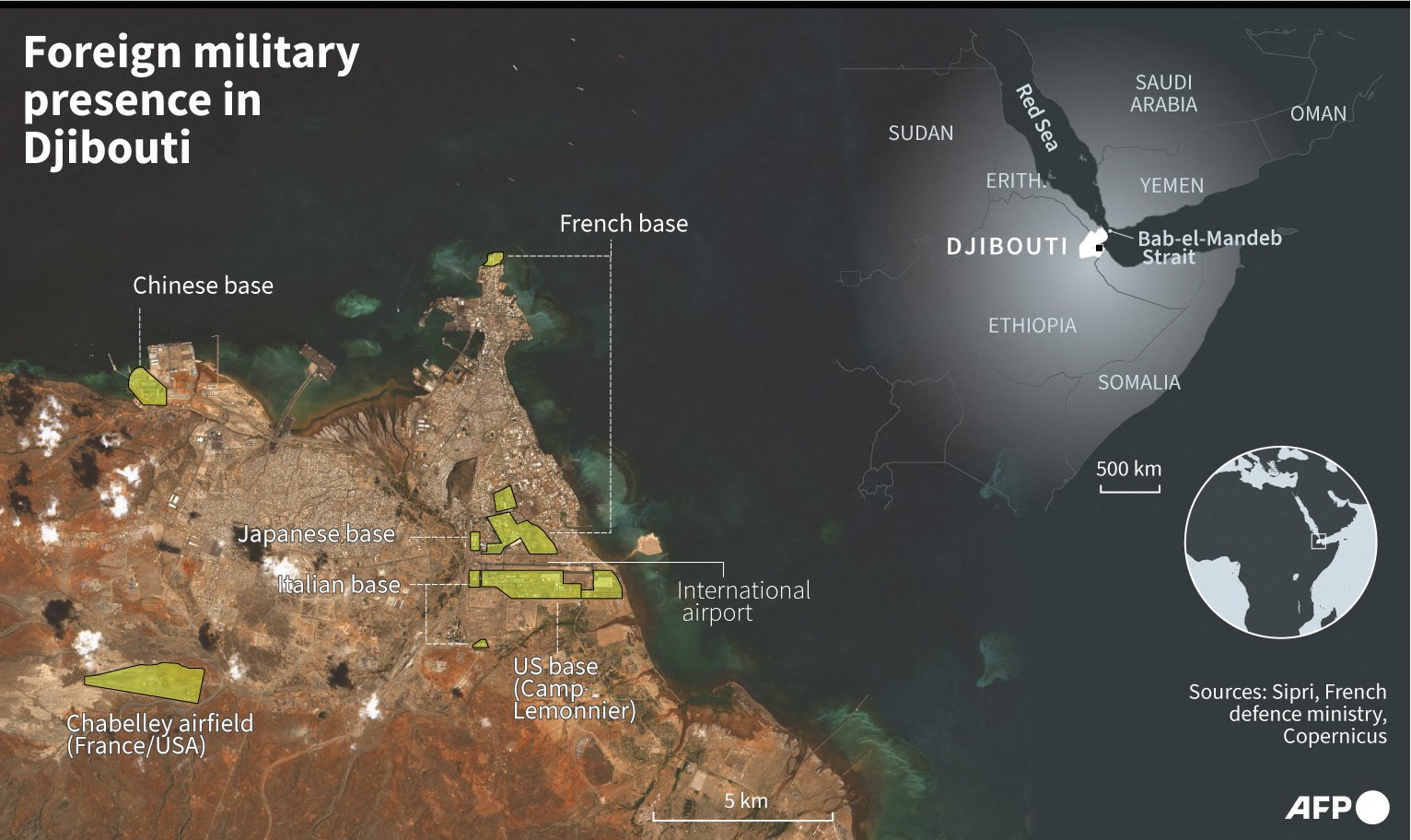
Outside analysts, however, view the base as a major shift in China's overseas military posture because it places Chinese forces alongside several foreign militaries, including the United States at Camp Lemonnier. Djibouti also hosts military facilities operated by France, Japan and Italy.
Strategic Competition
In March 2018, U.S. Africa Command's top general warned Congress of major consequences if China took control of Djibouti's Doraleh Container Terminal. In May 2018, the Pentagon said it had protested to China over alleged laser incidents that reportedly injured two U.S. airmen. These incidents showed that Chinese and U.S. military proximity in Djibouti created practical security-management problems as well as geopolitical debate.
The broader concern in Washington was that China's military presence near the Bab el-Mandeb Strait placed it alongside a critical maritime route linking the Red Sea and the Indian Ocean and only a short distance from the main U.S. military base in Africa.
Peacekeeping and Arms Exports
China's 2020 peacekeeping white paper said its armed forces had sent more than 40,000 personnel to 25 U.N. missions over 30 years. China remains the largest contributor of U.N. peacekeeping personnel among the five permanent Security Council members and the second-largest financial contributor to U.N. peacekeeping, providing 18.69% of assessed contributions for 2024-25. More than 1,800 Chinese personnel currently serve in U.N. peacekeeping operations, including missions in the Democratic Republic of Congo, South Sudan, the Central African Republic and Abyei, a disputed territory between Sudan and South Sudan whose final status remains unresolved.
China has also become a major arms supplier to African governments. According to SIPRI, China accounted for 19% of major arms deliveries to sub-Saharan Africa in 2019-23, overtaking Russia as the region's largest supplier during that period.
Security Contractors and Chinese Workers
Chinese security contractors in Africa protect BRI projects, Chinese citizens, diplomats, embassies, state-owned enterprises and infrastructure, including oil facilities, railways, mines and construction projects. Since 2012, more than 200,000 Chinese workers have moved to Africa for BRI-related projects. According to the Africa Center for Strategic Studies, the continent hosts around 1 million Chinese migrants and more than 10,000 Chinese firms.
The expanding commercial presence has created demand for Chinese security providers operating alongside local security forces. In Kenya, for example, Chinese security company DeWe employed around 2,000 contractors to provide security for the Mombasa-Nairobi-Naivasha Standard Gauge Railway. Chinese security firms have also operated around mining, energy and transport projects in countries including Angola, Ethiopia, Nigeria, Sudan and South Sudan, raising questions over regulation, accountability and the expanding security footprint surrounding Chinese commercial interests.
Expanding Security Cooperation
China's security engagement has increasingly expanded beyond peacekeeping and arms sales into military education, joint exercises and police cooperation. Under commitments announced in 2024, Beijing plans to train 6,000 military personnel and 1,000 police and law-enforcement officers, and to invite 500 young officers to China by 2027. Chinese military academies already host substantial numbers of African officers, while the People's Liberation Army has expanded exercises and exchanges with African militaries.
West Africa is also becoming more prominent in China's security engagement. The PLA Navy has hosted West African defense chiefs for talks on security in the Gulf of Guinea, while Beijing has shown interest in extending its naval patrols into the region.
Trade, Investment and Market Access
China-Africa trade reached a record $348 billion in 2025, up 17.7% from the previous year, with Chinese exports totaling US$225 billion and imports from Africa $123 billion.
China remained Africa's largest trading partner, although the trade balance continued to favor Chinese exporters. Africa's trade deficit with China widened to about $102 billion in 2025 as Chinese exports grew substantially faster than imports from the continent.
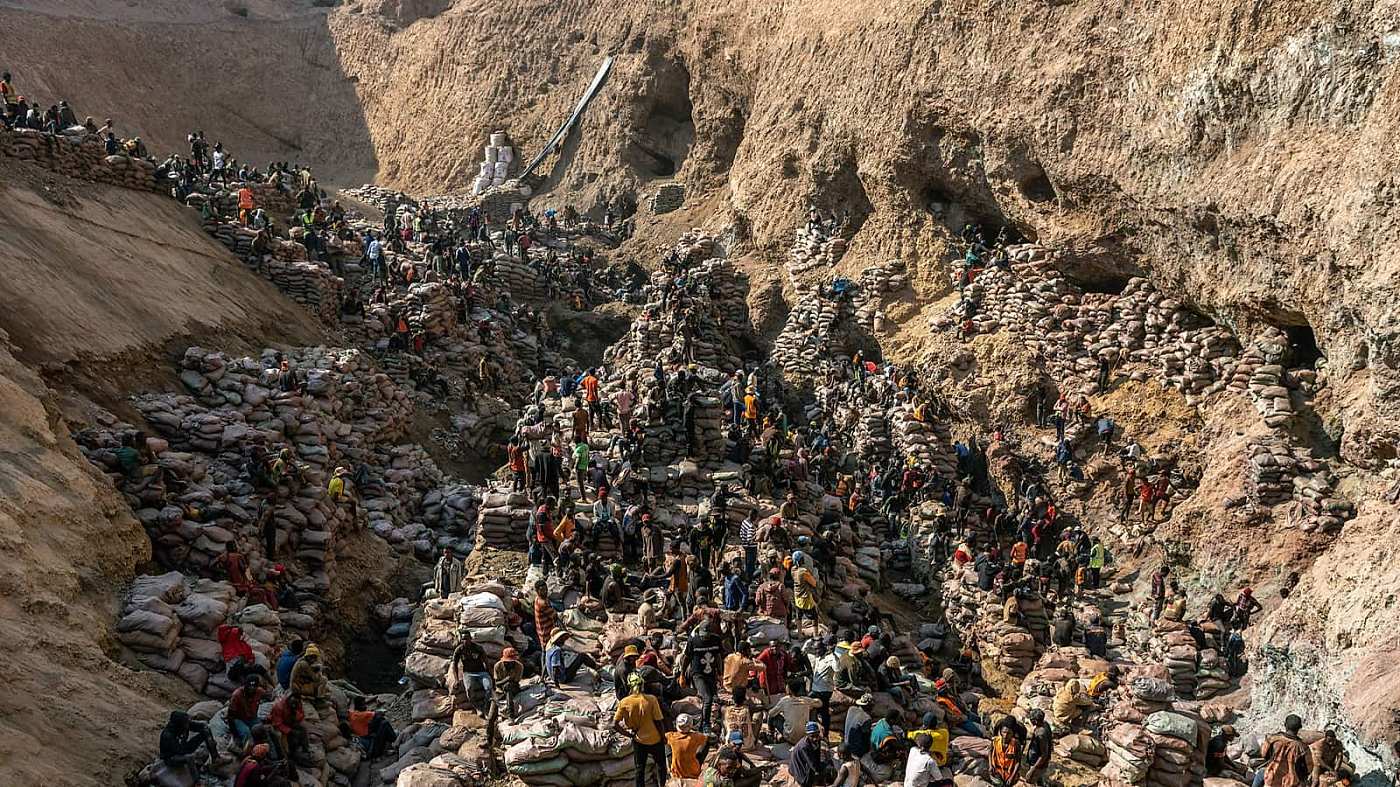
Trade has expanded dramatically since the early 2000s, driven by China's demand for commodities and the institutional framework created through FOCAC and later the Belt and Road Initiative.
Trade Structure
In 2024, the DRC, Angola, South Africa, Guinea and Zambia were the largest African exporters to China, mainly because of mineral and oil sales. African imports of Chinese goods rose 25% year on year to $122 billion in January-July 2025, led by machinery, cars and steel. The composition of trade remained highly asymmetric: African exports to China were concentrated in crude oil, copper, cobalt, iron ore and other commodities, while Chinese exports increasingly included machinery, electronics, vehicles and green technologies.
African leaders and analysts have repeatedly warned that exporting raw materials while importing manufactured goods can limit industrial development. South African President Cyril Ramaphosa has repeatedly argued that Africa must move up global value chains by exporting more processed and manufactured goods. While resource exporters such as Angola or the DRC have at times recorded trade surpluses with China, many other African economies run persistent deficits because they import substantially more manufactured goods than they export.
China's Tariff Policy
On May 1, 2026, China extended zero-tariff treatment to all 53 African countries with which it maintains diplomatic relations, leaving Eswatini as the only African country excluded because it recognizes Taiwan. Thirty-three least-developed African countries had already received preferential zero-tariff treatment, while the new policy extended the benefit for two years to 20 additional countries, including South Africa, Nigeria, Kenya, Egypt and Morocco.
The expansion potentially gives some of Africa's largest economies greater access to the Chinese consumer market and could encourage agricultural and processed exports. Analysts noted that tariff-free access may help some agricultural exporters but cannot by itself resolve logistics, standards and value-addition constraints. Several economists have argued that non-tariff barriers, transport costs and limited processing capacity remain greater obstacles to expanding African exports than tariffs alone.
Industrial Zones and Yuan Settlement
In 2006, Beijing launched an overseas trade and economic cooperation zone program under which 19 zones were approved, according to one study. The special economic zones were intended to encourage Chinese investment, employment, skills transfer and industrialization, although outcomes varied across host countries. Some attracted substantial manufacturing investment and employment, while others struggled because of infrastructure gaps, financing constraints or weaker investor demand. Zambia became an early test case: established in 2007, the Zambia-China Economic and Trade Cooperation Zone was China's first such zone in Africa. By 2023, it had attracted nearly 100 companies, more than $2.5 billion in investment and over 10,000 local jobs.
Financial integration has also begun to deepen. On April 21, 2026, Ecobank said it was in talks with Bank of China to introduce direct local-currency-to-yuan settlement by year-end, potentially allowing African businesses to reduce their reliance on the U.S. dollar when trading with China. On June 26, the People's Bank of China authorized Standard Bank and ICBC to jointly operate the Renminbi Clearing Bank of Africa, the continent's first RMB clearing bank, with capacity to clear yuan transactions across 19 African countries. Standard Bank had already become the first African bank admitted to China's Cross-Border Interbank Payment System in November 2025.
China, the West and African Agency
As China's economic and strategic presence in Africa expanded, Western governments launched a broader strategic re-engagement centered on infrastructure, investment and critical mineral supply chains.
One major infrastructure project is the Lobito Corridor, centered on a roughly 1,300-kilometer railway linking Angola's Atlantic Port of Lobito with the DRC and planned connections toward Zambia. In September 2023, the United States, European Union and African partners announced plans to develop the corridor under the G7 Partnership for Global Infrastructure and Investment.
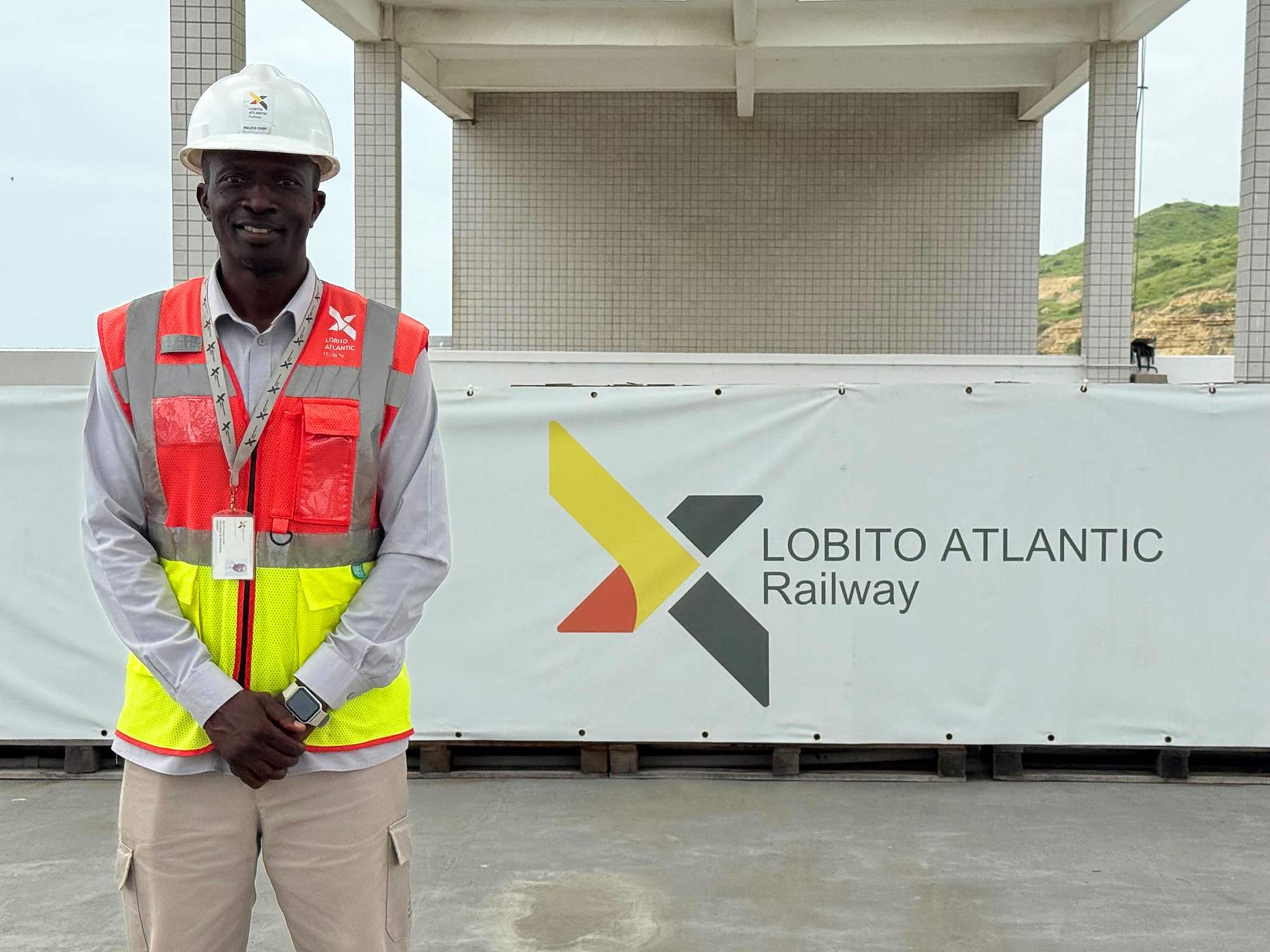
On December 4, 2024, U.S. President Joe Biden announced more than $560 million in U.S. spending on projects connected to the corridor. The project retained U.S. backing after Donald Trump returned to office in 2025, underscoring its broader strategic importance in Washington. The initiative is widely viewed as the West's flagship response to China's Belt and Road Initiative in Africa, combining infrastructure investment with supply-chain security and critical-minerals access.
Critical Minerals Competition
The U.S. is using offtake deals and state-backed funding to pursue African copper, cobalt and other critical minerals. Washington's critical-minerals strategy in Africa has focused particularly on Zambia, Guinea and the DRC. The DRC alone accounted for an estimated 75% of global cobalt production in 2024 and was the world's second-largest producer of mined copper, while Zambia is seeking to substantially expand its copper output.
China meanwhile holds dominant positions in the processing and refining of several minerals critical to batteries and clean-energy technologies and has extensive investments in African mining. Competition has therefore increasingly shifted beyond access to mines toward processing, transport corridors, financing and long-term supply agreements.
African Agency and Regional Integration
Policy analysts warn that the Lobito Corridor should not be viewed solely as a U.S.-China contest because African governments will ultimately determine whether it drives development or mainly exports minerals. Informal cross-border trade accounts for 30–40% of intra-regional trade in Southern Africa, meaning corridor policy could affect everyday commerce as well as mineral logistics. The African Continental Free Trade Area (AfCFTA) could reinforce this by linking transport corridors to local processing, customs integration and regional value chains.
For Zambia and the DRC, a central question is whether improved transport links can support domestic mineral processing, manufacturing and employment rather than simply moving copper and cobalt more efficiently to foreign markets. Congolese President Félix Tshisekedi and Zambian President Hakainde Hichilema have both promoted the Lobito Corridor as an opportunity to expand regional value chains rather than simply accelerate raw-material exports.
Public Opinion and China's Evolving Engagement
A 2025 Afrobarometer survey across 30 countries found that 60% of respondents viewed China's influence positively, compared with 53% for the United States and 49% for the European Union. Gallup likewise reported that median African approval of U.S. leadership fell from 59% in 2022 to 56% in 2023, while China's approval rose to 58%.These findings suggest that intensifying geopolitical competition has not fundamentally displaced China's standing across much of Africa.
At the same time, Beijing's engagement has evolved toward smaller, more selective and commercially viable projects rather than the large infrastructure lending that defined the previous decade. As competition for African partnerships grows, African governments will play a central role in determining how competing offers of investment and infrastructure translate into local value creation.
Overview