China Fireworks Plant Blast Kills 21
The Spin
Pro-government narrative
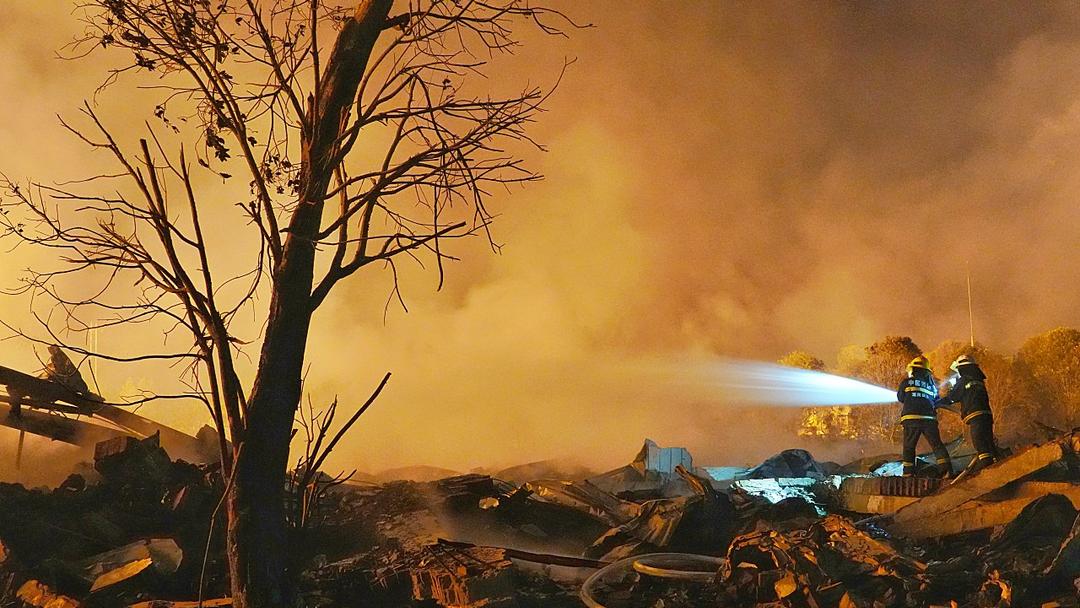
China's government moved fast after the fireworks plant explosion, deploying 482 rescuers, three robots and a coordinated grid search. President Xi Jinping personally ordered accountability and stronger enforcement of workplace safety nationwide. That kind of top-down mobilization shows a system taking industrial disasters seriously.
Government-critical narrative
Liuyang is the world's biggest fireworks hub, and that concentration of gunpowder, workshops and warehouses is exactly why 21 people are dead. The pattern repeats — big rescue, official pledges, then production resumes — because local economies depend on the industry and enforcement stays local too. Robots and evacuation zones are impressive, but they don't fix a supply chain that rewards corner-cutting.
Cynical narrative
The terrifying explosion instantly flattened the plant and left apocalyptic devastation. Officials reported 21 dead, yet the sheer scale — described by locals as more powerful than missiles — sparks doubt. With initial figures quietly revised and warnings not to "damage Liuyang's image," questions linger about what happened and how so few casualties could emerge from such overwhelming destruction.
