Canada Opioid Deaths Drop 23% in 2025
The Facts
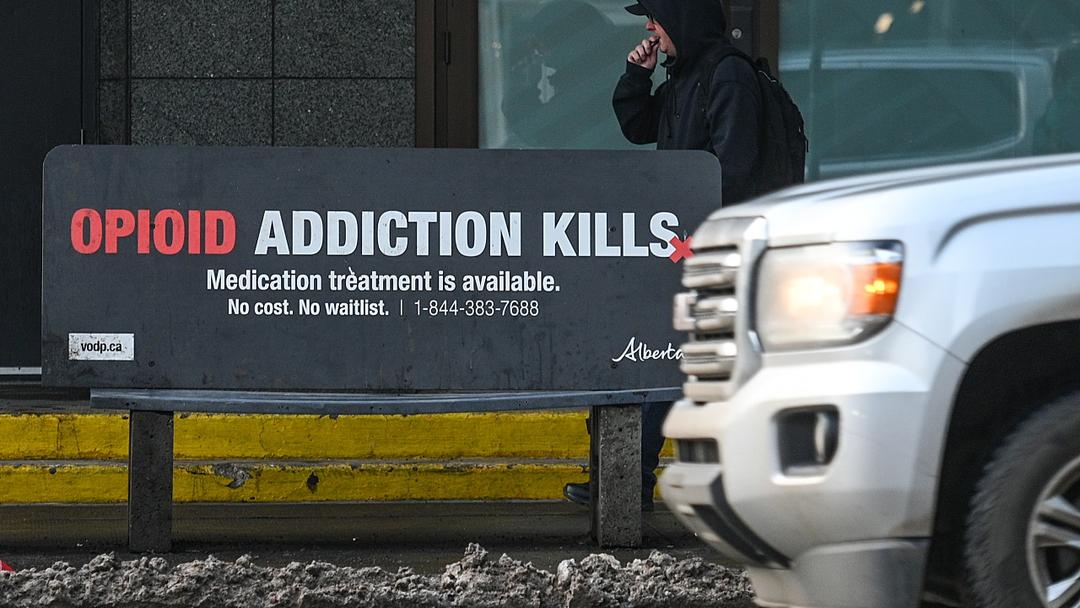
- Canada recorded 5,608 apparent opioid-related deaths in 2025, a 23% decline from 2024, according to federal government data released Monday. Deaths peaked at 8,040 in 2023 and remain higher than the 3,598 recorded in 2019.
- British Columbia, Alberta and Ontario accounted for 78% of opioid deaths in 2025. Ontario recorded the steepest year-over-year decline at 38.3%, while Alberta saw only a 4.4% drop.
- Opioid-related hospitalizations fell 12% in 2025, while emergency medical services responses to suspected opioid overdoses rose 9% nationally. Officials attributed the increase partly to polysubstance overdoses involving fentanyl and benzodiazepines.


Sources Split
LEFT
CENTER
RIGHT

+1
+3

+3

ESTAB
CRIT
CENTER
PRO
ESTAB
The Spin
Pro-government narrative
The data suggests that public health interventions are making a difference. Expanded naloxone access, wider harm-reduction services, improved treatment availability and shifts in the illicit drug supply appear to have contributed to fewer fatalities. The decline offers evidence that coordinated, evidence-based responses can reduce overdose deaths and improve community health outcomes nationwide.

Government-critical narrative
Overdose deaths are still far above 2020 levels, when harm reduction expanded massively, and some 60,000 Canadians have died since 2016 — that's not a success story. Spending $50 billion annually to manage a crisis while drug pushers face zero consequences is a subsidy for the toxic drug trade. Declining deaths partly reflect a shrinking addict population, not a policy that's actually working.