Brazil Elections: Economy




The Facts
- Overview: Issues related to the state of the economy, including unemployment, growth, poverty, cost of living and taxes, are among the main voter concerns in the 2026 elections in Brazil. According to the International Monetary Fund's World Economic Outlook (April 2026), the country ranks as the world's 10th-largest economy by nominal GDP, valued at around $2.64 trillion — the second-largest in the Western Hemisphere — and as the 8th-largest economy by purchasing power parity, but Brazil is not among the top 80 when it comes to GDP per capita.
- GDP Growth: The Brazilian economy is projected to grow by 1.6% to 1.9% in 2026, below 2% and the regional average for Latin America and the Caribbean for the first time in the post-pandemic era, slowing from a 2.3% growth rate in 2025 and a 3.4% growth rate in 2024. According to the OECD, exports will be the main driver of growth this year due to strong Chinese demand. Official Q1 2026 data shows that GDP grew by 1.8% compared with the same period in 2025 — agriculture +0.7%, industries +1.6% and services +2.1%.
- Employment: Brazil's official unemployment rate in Q2 2026 fell to the lowest for that period and the second-lowest for any quarter since records began in 2012, 5.4%, down from a 6.1% rate in Q1 2026, while the average worker income fell 1.5% quarter-on-quarter, from 3,975 reais ($764) to 3,738 reais ($718), and the aggregate income fell 0.5% quarter-on-quarter. Brazilian President Luiz Inácio Lula da Silva has pushed for a constitutional amendment to cut the workweek to 40 hours over five days without wage reductions, which is pending Senate approval after a 461-19 vote in the lower house.


Sources Split
LEFT
CENTER
RIGHT
+2


+1
+8

+1
ESTAB
CRIT
CENTER
PRO
ESTAB
The Spin
Government-critical narrative
Lula is driving Brazil toward economic collapse. Public debt is on an explosive trajectory, pushing interest rates higher, choking off investment and productivity and further harming the country's economic outlook. If he wins reelection, Brazil will enter a new crisis, as a fourth term would mean an even more spendthrift government thats openly hostile to markets — the same playbook that produced Brazil's worst modern recession a decade ago.
Pro-government narrative
Brazil's economy has rebounded well under Lula, delivering the lowest average unemployment rate since records began in 2012 as the country has created 10 million new jobs at a time when the world face rising informality and automation. Real income hit historic highs while inflation has plunged compared with the previous administration. Brazil has exited the world hunger map and tax reform has exempted millions of low earners while taxing the wealthy more.

Narrative C
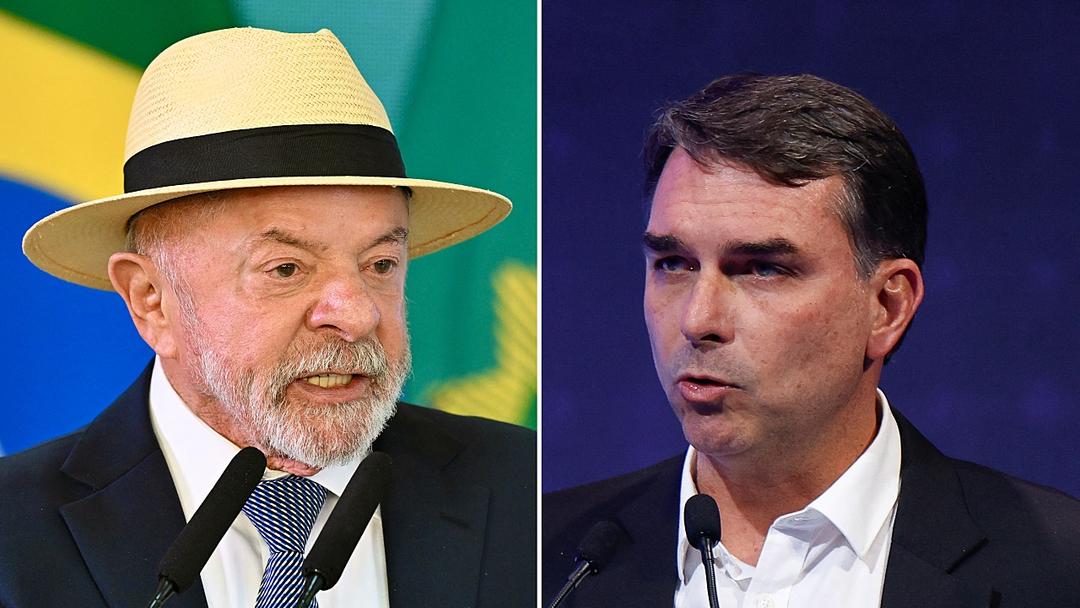
Macroeconomic improvement rarely converts into political capital, and Brazil is a case in point. Despite better indicators, most voters feel worse off, squeezed by food prices, record household debt and rising expectations. That disconnect will shape the presidential election in October: whoever wins the vote — near-certainly Lula or Flávio Bolsonaro — will have to deal with a budget deficit around 8.5% of GDP and a gross debt near 81% of GDP, with little space for delay. Yet, despite the tight bond maths and disheartening election choices, betting on Brazil's collapse remains a mistake.