Apple, Microsoft Hike Prices as AI Drives Memory Chip Shortage
Is the AI memory crunch a temporary boom-bust cycle or a permanent market crisis that demands urgent structural reform?
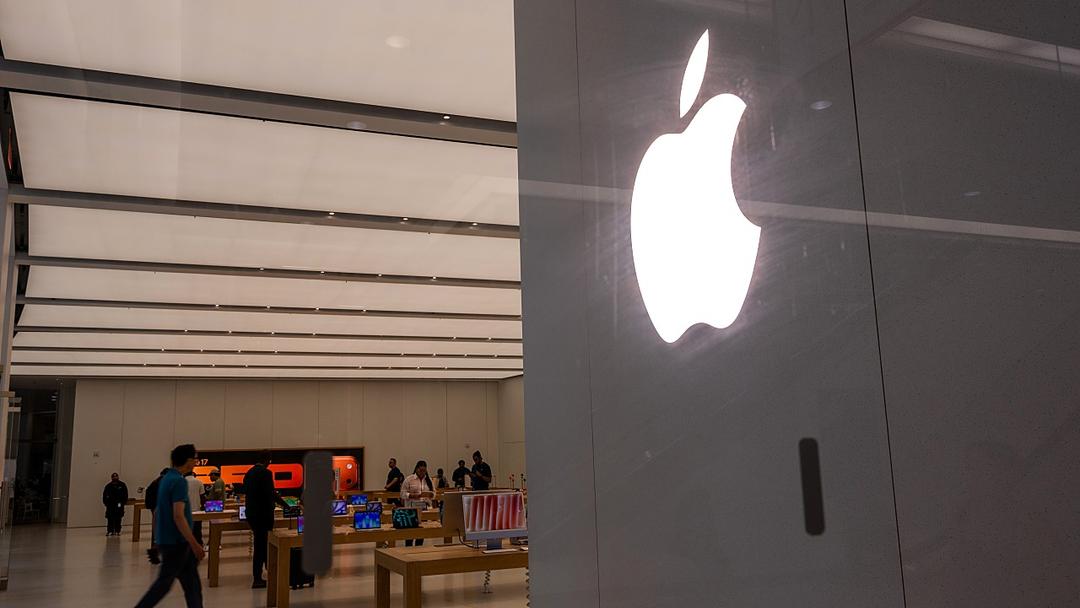
Above: People shop in an Apple store in New York City on June 25. Image credit: Spencer Platt/Getty Images
The Facts
- Apple raised prices on its entire Mac and iPad product lines on Thursday, with increases ranging from roughly 17% to 25% on base models. The MacBook Air jumped from $1,099 to $1,299, while the MacBook Pro rose from $1,699 to $1,999.
- Apple attributed the hikes to surging memory chip costs driven by AI data center expansion, saying it had "never seen a component price increase this much, this quickly." The company said it had shielded customers from rising costs until that point.
- Apple shares fell more than 6% following the announcement, wiping out roughly $265 billion in market value. The iPhone, Apple Watch and AirPods were not subject to the price increases.


Sources Split
LEFT
CENTER
RIGHT
+2
+1


ESTAB
CRIT
CENTER
PRO
ESTAB
The Spin
Narrative A
The AI memory crunch is a classic shortage cycle, not a permanent crisis — DRAM prices spiked nearly 187% year-over-year by late 2025, but history shows these booms burn fast and reverse hard. Memory makers like Samsung are cashing in now, but new capacity and cooling demand will flip this market.
Narrative B
The AI industry has effectively cornered the memory market, locking up supply through and forcing entire industries to pay more for less. This is concentration masquerading as progress, entrenching a handful of hyperscalers while everyone else gets priced out. A fundamental rethink of memory architecture is urgently needed.

Metaculus Prediction



© 2026 Improve the News Foundation. All rights reserved.Version 7.18.2
© 2026 Improve the News Foundation.
All rights reserved.
Version 7.18.2