Study: Antarctic Sea Squirts May Support Melanoma Treatment
The Facts
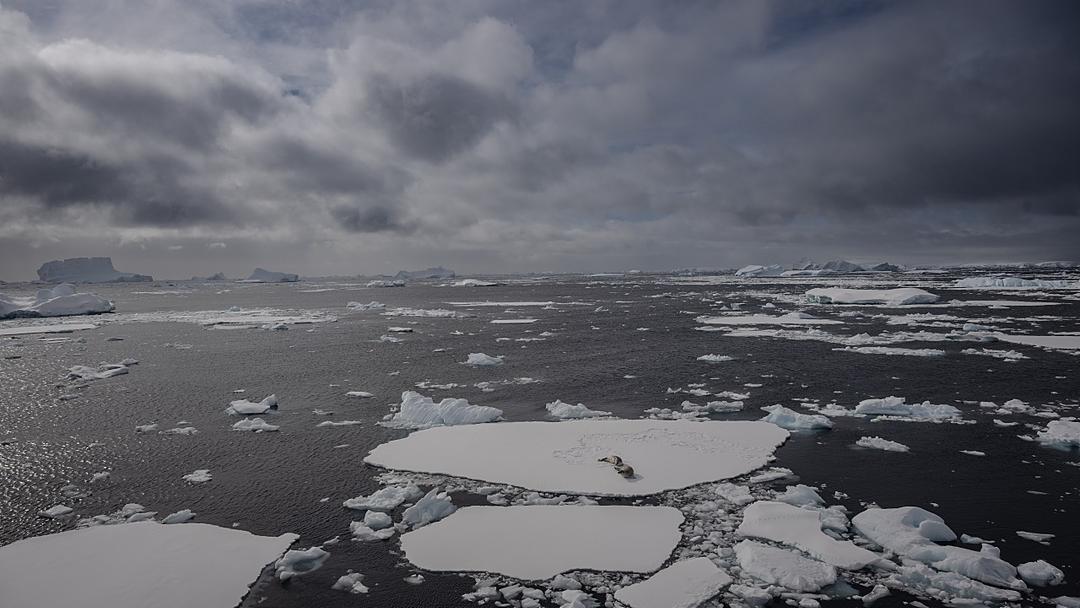
- Researchers from the University of South Florida (USF) recently completed a six-week expedition to Antarctica, collecting samples of ascidians — marine invertebrates known as sea squirts — that harbor a bacterium capable of producing a compound that kills melanoma cells without harming healthy human cells.
- The compound, palmerolide A, was traced to a previously unstudied bacterium called Candidatus Synoicihabitans palmerolidicus, which lives within the ascidian species Synoicum adareanum, found in the waters around Antarctica's Anvers Island archipelago.
- Melanoma is estimated to cause around 57,000 deaths globally each year, a figure researchers warn could climb to approximately 96,000 by 2040. The disease is most prevalent among fair-skinned populations in Australia, New Zealand and parts of Western Europe.


Sources Split
LEFT
CENTER
RIGHT
+1

+1
+2
ESTAB
CRIT
CENTER
PRO
ESTAB
The Spin
Narrative A
Organisms containing bacteria that literally kill melanoma cells while leaving healthy cells completely unharmed are exactly the kind of selectivity that makes a viable drug. More than half of FDA-approved drugs come from natural sources, and this discovery fits squarely in that tradition. The ocean floor is an untapped pharmaceutical goldmine, and the region near Antarctica is proving that.
Narrative B
Melanoma is a shape-shifting disease that outsmarts even the most advanced treatments. A promising compound is still years away from clinical use, and the pipeline for patients whose cancer stops responding to existing drugs is already dangerously thin. Getting excited about early-stage marine biology while refractory patients run out of options is a luxury the field cannot afford.

Metaculus Prediction
© 2026 Improve the News Foundation.
All rights reserved.
Version 7.17.1