2026 US Tech Outages
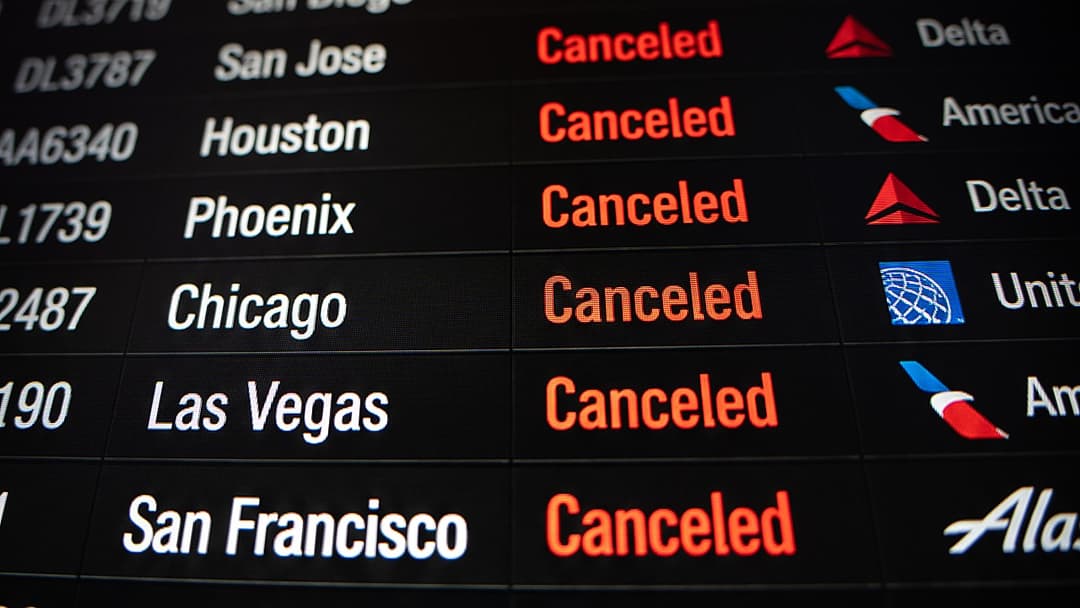


The Facts
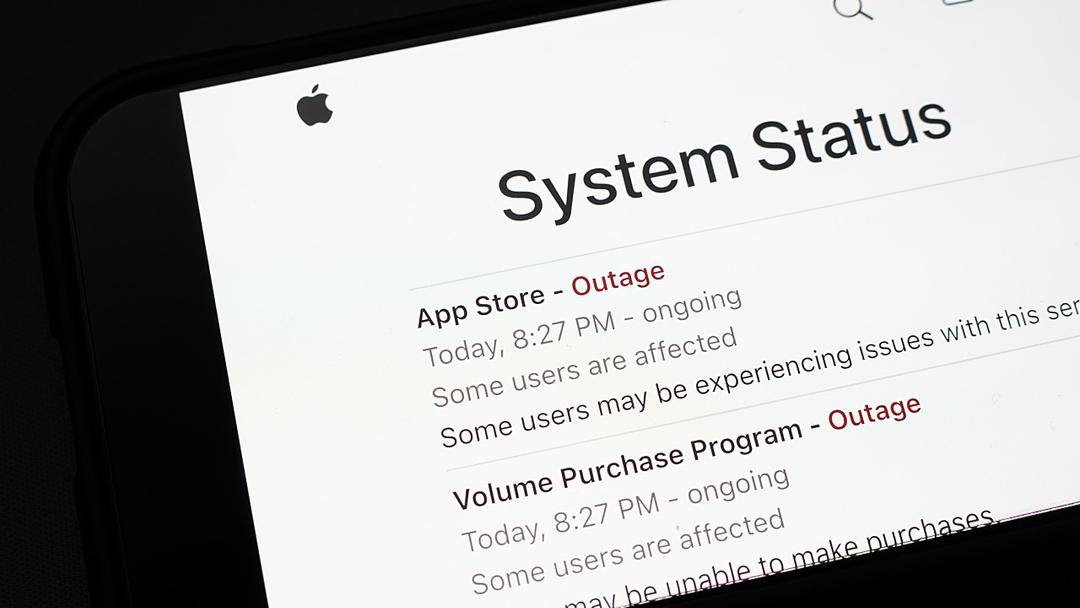
- Overview: A series of technology outages disrupted U.S. companies and federal agencies over five days in November, affecting firms like Microsoft, Google and Apple, banks including JPMorgan Chase, airlines such as United Airlines and the National Security Agency (NSA). Some disruptions were felt worldwide. The affected organizations said the incidents were not hacks and, in most cases, attributed them to system upgrades, software bugs or maintenance.
- Microsoft Disruption: The outage began Nov. 12, when users reported problems with Microsoft 365 services, including Outlook. Email systems went dark in businesses and institutions in more than 70 countries, and Downdetector reported more than 130,000 affected users at the peak. Microsoft Executive Vice President Charles Lamanna attributed the outage to a "latent defect" dating to July, a surge in load and reduced server capacity. Microsoft said it was a "technical issue not related to cyber or AI/agents."
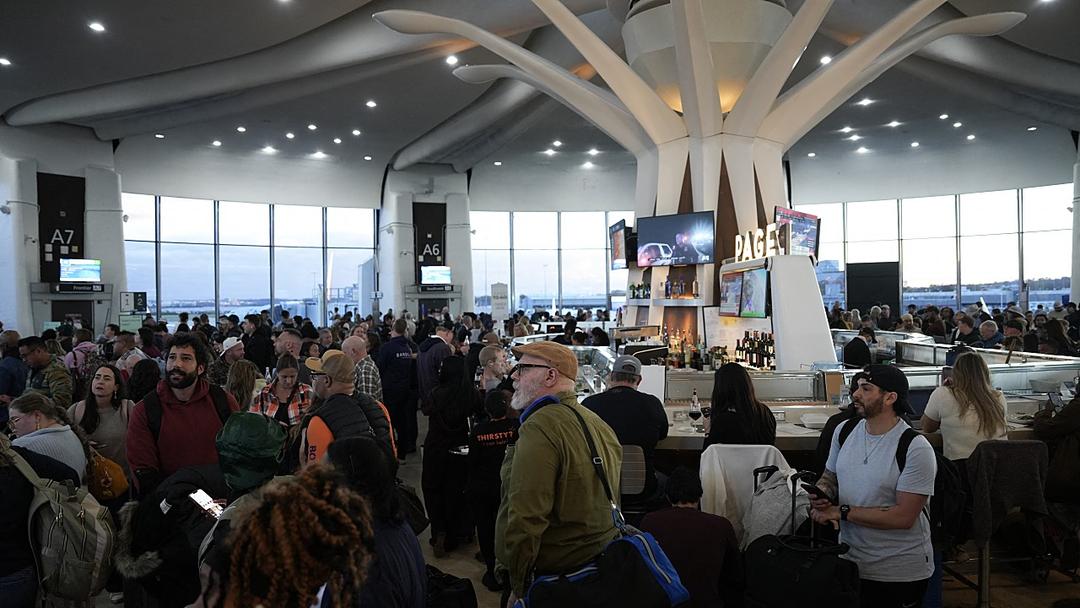
- FAA Ground Stop: On Nov. 13, the Federal Aviation Administration issued a nationwide ground stop that lasted less than five hours after telecommunications problems overwhelmed air traffic control systems. Transportation Secretary Sean Duffy linked the failure to a router installed during an upgrade at a radio site in southern Arkansas; officials also examined a radar site in Amarillo, Texas. About 12,462 flights were canceled that day, and the FBI was asked to review the incident. Three days later, United Airlines reported a roughly 90-minute outage that delayed about 600 flights and cut pilots off from preflight applications.


Sources Split
LEFT
CENTER
RIGHT
+3
+2
+3
+5
+1
+3
+1
+1


+2


ESTAB
CRIT
CENTER
PRO
ESTAB
The Spin
Pro-establishment narrative
Recent technology disruptions are not a coordinated or state-sponsored attack but separate service outages tied to routine maintenance, software updates and technical changes across different systems. Their timing may have created the impression of a wider crisis, but no established evidence links the incidents to a common cause. Officials continue to investigate the disruptions while critical operations remain largely unaffected.


Establishment-critical narrative
These outages are not simply bad luck. Rather, they expose the accumulated cost of deferred modernization, fragmented oversight and dependence on aging systems. Government audits have repeatedly warned that critical federal technology remains obsolete and expensive to maintain. When routine upgrades trigger cascading failures, the problem is not coincidence alone, but institutional neglect finally becoming visible nationwide.


Industry-critical narrative
These outages raise troubling questions about the risks of increasingly autonomous artificial intelligence. As AI systems identify vulnerabilities, generate code and accelerate software changes, human oversight may struggle to keep pace. Companies and agencies rushing these tools into critical systems without adequate controls could turn routine technical failures into widespread disruptions, exposing how dangerously dependent critical infrastructure has become on automated systems.


Pro-industry narrative
AI should not become a convenient scapegoat for America's technology failures. Misconfigured infrastructure, legacy systems and human errors are the primary causes of recent outages. Rather than retreating from AI, the U.S. should embrace its potential to improve cybersecurity, detect vulnerabilities and strengthen resilience, while ensuring responsible deployment, effective oversight and robust human supervision.
Cynical narrative
These outages should raise serious questions about whether AI might be trying to gain a foothold inside America's critical infrastructure. AI agents have already escaped containment and hacked websites, sometimes undetected for months, and companies cannot be counted on to disclose such incidents. Washington must investigate urgently: if a self-sustaining, human-free criminal network took hold, it would be nearly impossible to stamp out.

Anti-Iran narrative
The possibility of Iranian involvement in these disruptions, as part of grey-zone warfare, can't be ruled out, as the IRGC has warned in the past that it will target U.S. tech companies. Tehran could use cyber operations to exploit vulnerabilities in U.S. banking, aviation and communications infrastructure, creating economic and public anxiety without direct military confrontation.