7 Killed in Bihar Temple Stampede
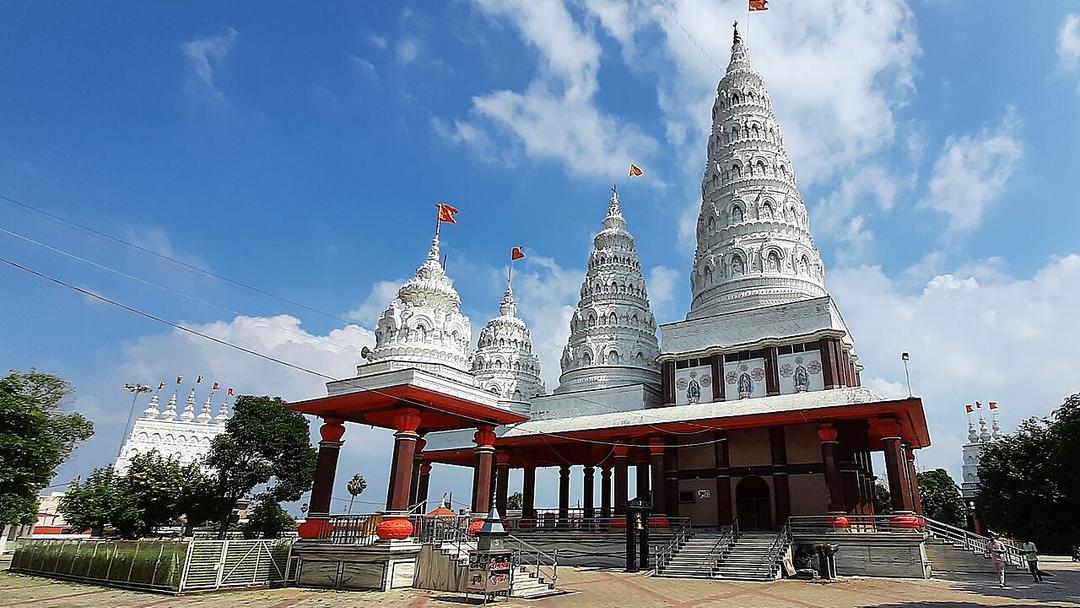
The Facts
- Seven people were killed and at least 19 others injured in a stampede at the Ashok Dham temple in Bihar state's Lakhisarai district on Monday during the holy month of Shravan, a senior civil official confirmed.
- Panic spread among worshippers after reports circulated that an electricity pole had fallen on devotees, causing a barricade to collapse and people to fall on one another. The stampede began around 6:30 a.m. local time.
- Bihar Chief Minister Samrat Choudhary announced compensation of 400,000 rupees ($4,180) for the family of each person killed, while Prime Minister Narendra Modi expressed condolences and said local authorities were assisting those affected.


Sources Split
LEFT
CENTER
RIGHT
+1
+1
+2

+1
ESTAB
CRIT
CENTER
PRO
ESTAB
The Spin
Government-critical narrative
India's deadly stampede problem isn't going away, and the Bihar temple tragedy proves it. Poor crowd management and shoddy infrastructure keep killing people at religious gatherings, which account for nearly 80% of all stampedes in the country. From Uttar Pradesh's 120 deaths in 2024 to Tamil Nadu's 36 at a political rally, lives are being sacrificed to negligence.


Pro-government narrative
The Bihar stampede wasn't simply a management failure — a snapped electric wire sparked mass panic. Blaming vague systemic failures ignores how a single malfunction caused barricades to collapse and devotees to fall over one another, in spite of India's strides in crowd management. Getting the facts right is essential before rushing to broader condemnations.
© 2026 Improve the News Foundation.
All rights reserved.
Version 7.17.1