The Election of a New Pope


The Facts
- The Conclave: The election of a new pope, known as a papal conclave, is a highly structured and traditional process overseen by the College of Cardinals in the Roman Catholic Church beginning after the death or resignation of a pope. Once the papal seat becomes vacant — referred to as the sede vacante — the camerlengo (chamberlain) verifies the pope's death and seals his apartments. Preparations then begin for the conclave, which must start between 15 and 20 days later. Only cardinals under 80 are eligible to vote, and they gather in the Sistine Chapel in Vatican City. The conclave is conducted in strict secrecy. Cardinals are sequestered from the outside world, with no phones or media access, and they take an oath of confidentiality.
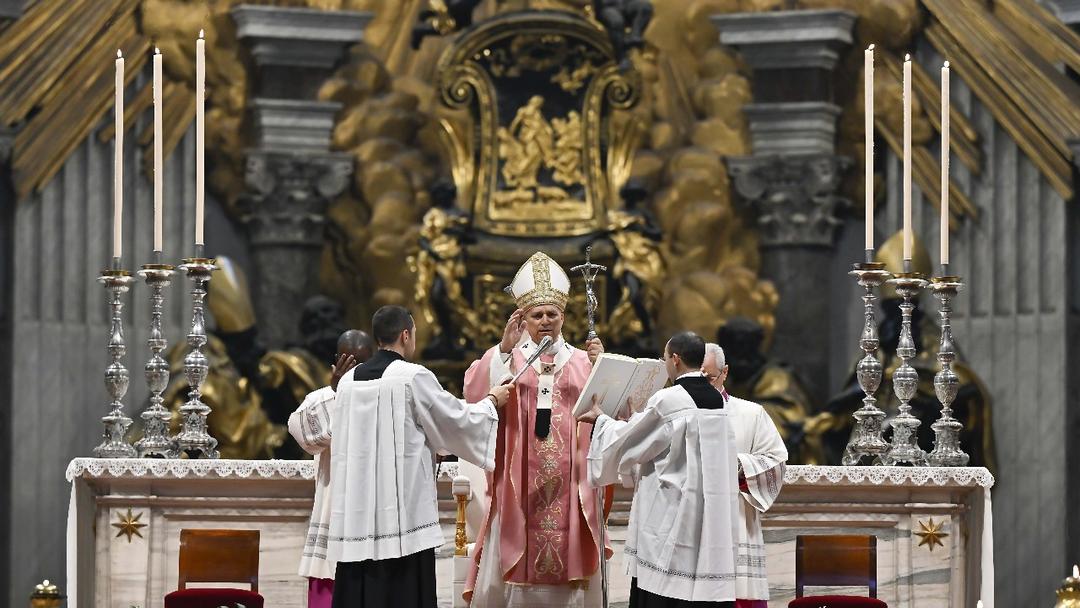
- Pope's Selection: The voting process is governed by centuries-old procedures. Each day may include up to four rounds of voting — two in the morning and two in the afternoon. A candidate must receive two-thirds of the votes to be elected pope. After each vote, the ballots are burned in a special stove, and chemicals are added to produce smoke. Black smoke (fumata nera) signals an inconclusive vote, while white smoke (fumata bianca) indicates that a new pope has been chosen. Once elected, the chosen cardinal is asked if he accepts the position. If he agrees, he chooses a papal name. The new pope then dons white papal garments and is introduced to the public from the balcony of St. Peter's Basilica with the announcement "Habemus Papam" — "We have a pope." This marks the official beginning of his papacy.
- Evolution of Conclave: The process of selecting a pope has evolved significantly over the centuries, reflecting changes in both church doctrine and political influence. In the earliest days of Christianity, the Bishop of Rome — later known as the pope — was often elected by the clergy and laity of the Roman Church, typically with the approval of neighboring bishops. This process was informal and based on local consensus rather than structured rules. By the 4th century, as Christianity became more institutionalized under the Roman Empire, the selection of popes began to attract political attention. Roman emperors, and later Byzantine rulers, often sought to influence papal elections. This led to a mix of ecclesiastical and imperial involvement, which sometimes caused disputes and even rival claimants to the papacy, known as antipopes.


Sources Split
LEFT
CENTER
RIGHT
+1
+1
+1

ESTAB
CRIT
CENTER
PRO
ESTAB
The Spin
Narrative A
The conclave represented a critical moment for the Catholic Church to choose a leader who will continue Francis's legacy of mercy and inclusion. Francis dramatically reshaped the College of Cardinals to be less European and more representative of the global church, particularly elevating voices from the peripheries. Pope Leo XIV must navigate complex challenges including secularization, financial transparency, and maintaining the delicate balance between doctrine and pastoral sensitivity.
Narrative B
The conclave's strict adherence to tradition ensures the selection process remains free from modern political influences and external pressures. This ancient election system, with its emphasis on prayer and discernment, protects the sacred nature of papal succession and maintains the church's independence. Pope Leo XIV should prioritize doctrinal clarity and traditional values while addressing the church's ongoing challenges in an increasingly secular world.
Narrative C
Francis was a terrible pope who corrupted Catholic values to advance his political agenda. Nonetheless, the Catholic Church has survived for almost 2,000 years, even when bad people assumed the role of pope. By virtue of having a papal office and well-defined institutions, the church has been insulated from the endless schisms seen in other sects of Christianity. Indeed, the church will have to clean up Francis's mess and return to a more grounded understanding of Catholicism moving forward.
Public Figures



Go Deeper






















© 2026 Improve the News Foundation.
All rights reserved.
Version 7.18.0