Thailand-Cambodia Conflict


The Facts
- Old Rivalries and Colonial Foundations: The Thailand-Cambodia border conflict traces its roots to centuries of tensions between the Khmer Empire (9th-15th centuries), which dominated Southeast Asia, and the rising Siamese kingdom of Ayutthaya. The Siamese sacked Angkor in 1431, seizing western Cambodian lands while adopting Khmer traditions. Cambodia's 1863 status as a French protectorate prevented absorption by Siam but led to exploitation. The 1904-1907 Franco-Siamese treaties defined borders, returning territories such as Battambang and Preah Vihear to Cambodia, leading to "lost lands" becoming a point of contention with Thailand.
- Ambiguous Border Demarcation and Preah Vihear Dispute: The 1904 Franco-Siamese Treaty and its 1907 modification aimed to delineate the border through a Mixed Delimitation Commission, but failures left areas undemarcated, and French maps deviated from the texts. During WWII, Thailand reclaimed Cambodian territories but returned them in 1946 for U.N. membership. Following Cambodian independence in 1953, Thailand occupied Preah Vihear Temple in 1954, prompting Cambodia's 1959 International Court of Justice (ICJ) case. The 1962 ICJ ruling awarded the temple to Cambodia but left the surrounding 4.6 sq km of land ambiguous, igniting nationalist claims and periodic tensions.
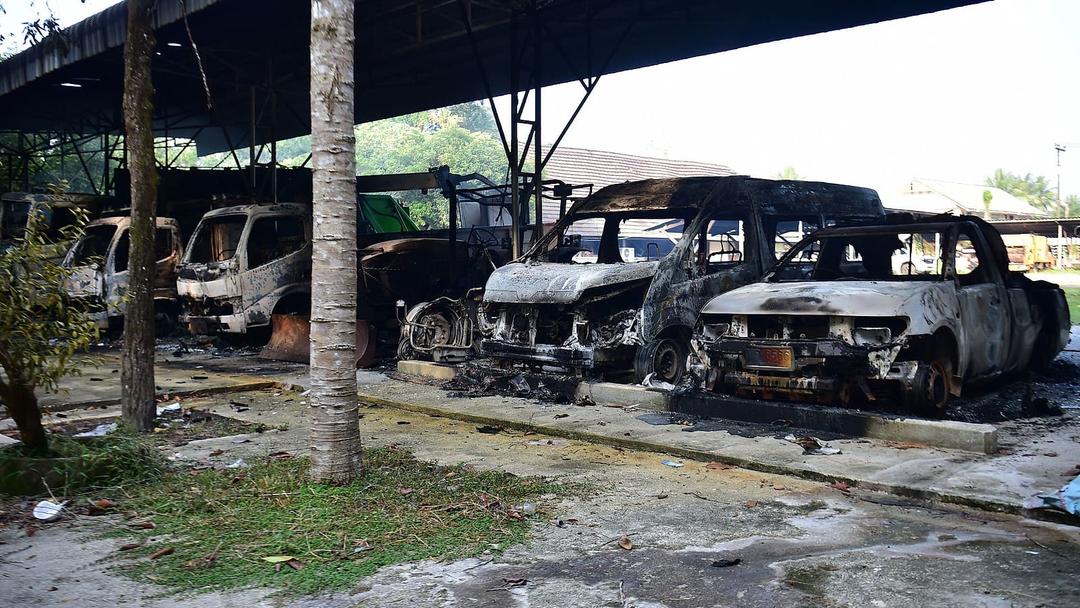
- 2008-2011 Clashes and ICJ Clarification: Tensions reignited in 2008 when Cambodia's UNESCO listing of Preah Vihear sparked protests and a military buildup in Thailand. Clashes from October 2008 to February 2011 involved artillery duels at Preah Vihear and nearby sites like Ta Moan and Ta Krabey, killing at least 28, including civilians, and displacing 36,000. Thailand rejected Cambodia's ICJ referral, but the 2011 provisional measures ordered troop withdrawals. The 2013 ICJ ruling affirmed Cambodian sovereignty over the temple promontory, yet undemarcated zones fueled ongoing disputes over resources and nationalism.


Sources Split
LEFT
CENTER
RIGHT
+1


+1
+2
+1
+1
+1
+9

+1
+1


ESTAB
CRIT
CENTER
PRO
ESTAB
The Spin
Pro-Thailand
Thailand is boldly defending its ancestral borders against Cambodian aggression, particularly around Preah Vihear, where ancient Khmer ruins reflect Siamese cultural roots stolen by French colonial deceit. The ICJ's 1962 ruling granted Cambodia only the cliff-top temple, leaving access roads and watersheds Thai — Phnom Penh's 2025 invasion demands resolute defense. National pride unites Thais against Hun Sen's revanchism, ensuring sovereignty endures.

Pro-Cambodia
Cambodia heroically reclaimed its sacred Preah Vihear, a Khmer architectural jewel pillaged by Siamese invaders during the fall of Angkor. ICJ's 1962 and 2013 rulings affirm full Cambodian sovereignty over the temple and promontory, rejecting Thailand's baseless claims rooted in colonial-era bias. Bangkok's 2025 airstrikes and shelling on civilians expose expansionist ambition, displacing thousands — yet Khmer resilience, backed by international law, will prevail over Thai militarism.

Cynical narrative
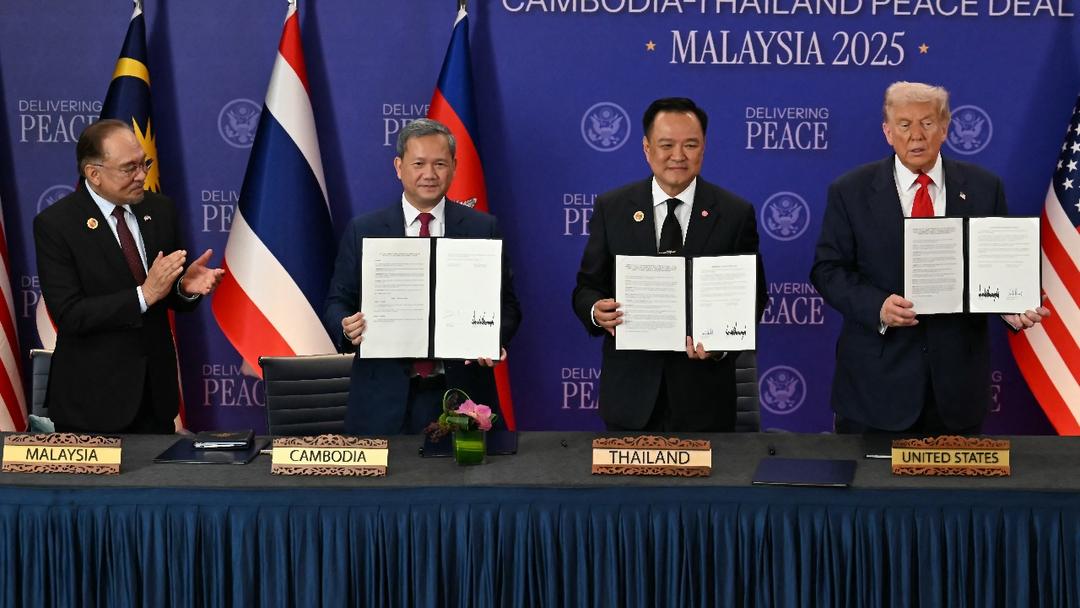
Both sides are weaponizing this conflict for their own domestic political interests. This conflict is not particularly existential, nor is it unresolvable, yet the respective leaders of Thailand and Cambodia have bet that military conflict will stoke nationalist sentiment and distract from governing failures. Furthermore, international actors should avoid "peace deals" that lack substance and only serve their own optics.
Narrative D
None of this should be happening. Cambodian and Thai families alike are losing loved ones. Any "temporary" occupation becomes precedent, and precedent becomes politics. Nationalist factions in both militaries push for harder stances, while ASEAN's tools are little more than a group chat without an admin. Both nations, with their border disputes stemming from old Western colonial lines, must watch who benefits from inflaming the crisis.