Scientists Create Replica Womb Lining, Implant Early Embryos
The Facts
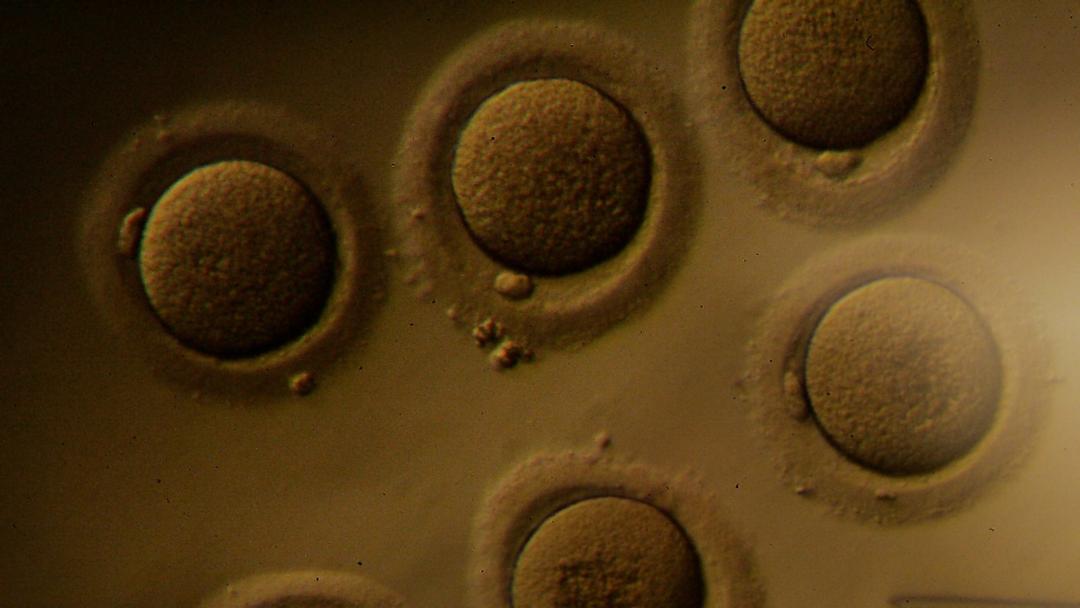
- Researchers have reportedly developed a three-dimensional model system that replicates the womb lining with high biological accuracy, using epithelial and stromal cells isolated from donated endometrial tissue. The model was tested with donated early-stage human embryos from IVF procedures.
- Scientists in Beijing and teams in the U.K., Spain and the U.S. published three papers in Cell Press journals on Tuesday, describing efforts to mimic the first moments of pregnancy in laboratory settings. The experiments combined human embryos from IVF centers with organoids made of endometrial cells.
- Following implantation in the laboratory models, embryos increased secretion of human chorionic gonadotropin, the biochemical marker used in pregnancy tests to confirm pregnancy. The systems supported post-implantation development, enabling analysis of embryo stages 12 to 14 days after fertilization.


Sources Split
LEFT
CENTER
RIGHT
+1


+4
ESTAB
CRIT
CENTER
PRO
ESTAB
The Spin
Narrative A
This 3D implantation model is a major leap forward in reproductive medicine, offering real hope to patients suffering from recurrent implantation failure. The system successfully replicates human implantation and has already identified FDA-approved compounds that dramatically improve success rates for those who've endured repeated heartbreak. Years of rigorous research have finally produced a scalable platform that can transform clinical outcomes and help countless families achieve their dreams of parenthood.
Narrative B
Creating lab-grown wombs and cultivating embryos outside the body raises profound ethical questions that demand immediate public attention before science races ahead unchecked. These experiments involve deliberately creating human embryos only to manipulate, study and ultimately destroy them — treating potential human life as mere research material. The rapid push to extend embryo research beyond current limits, combined with the creation of increasingly sophisticated embryo models, threatens to normalize practices that violate deeply held values about human dignity and the sanctity of life.

Metaculus Prediction
© 2026 Improve the News Foundation.
All rights reserved.
Version 7.17.1