Global Spread of Candida Auris Reaches 60 Countries
The Facts
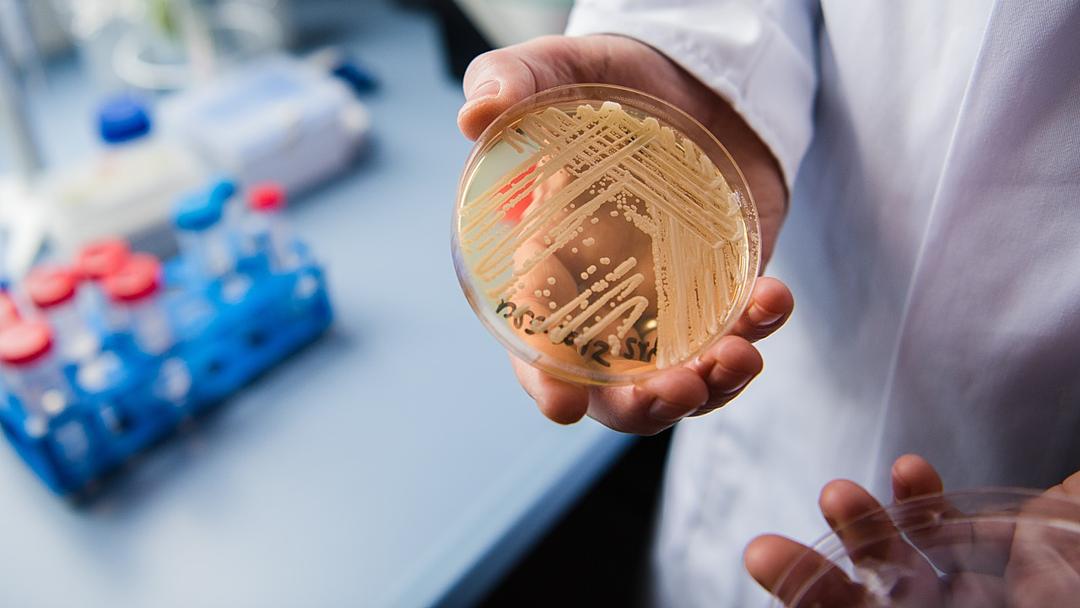
- Candida auris (C. auris), an invasive yeast first identified in Japan in 2009, has now been detected in more than 60 countries across six continents, according to a review in Microbiology and Molecular Biology Reviews. The fungus is reported to colonize skin and survive on surfaces, aiding its spread in health care settings.
- The World Health Organization first classified C. auris as a critical priority pathogen in 2022 due to its rapid spread and increasing resistance to existing treatments. The CDC reported 7,000 cases in the U.S. in 2025, approaching the previous year's record of over 7,500 cases.
- In England, confirmed C. auris cases have risen steadily, with 26 cases in 2021, 38 in 2022, 93 in 2023 and 178 in 2024, according to U.K. Health Security Agency data. The agency noted that rates remain "very low," but have been increasing in recent years.


Sources Split
LEFT
CENTER
RIGHT
+2
+3
+1
ESTAB
CRIT
CENTER
PRO
ESTAB
The Spin
Narrative A
Drug-resistant fungal diseases like Candida auris represent a critical emerging threat that's rapidly spreading across hospitals and developing resistance to last-line antifungals. This pathogen has independently emerged on multiple continents, likely adapting to warmer temperatures, and now threatens to become untreatable without urgent action on surveillance and new drug development.


Narrative B
Candida auris infections remain confined to health care facilities affecting severely immunocompromised patients with indwelling medical devices, not the general public. The real lesson here involves improving infection control practices and staffing in long-term care facilities rather than fearmongering about apocalyptic scenarios.

© 2026 Improve the News Foundation.
All rights reserved.
Version 7.17.1