Canadian Election Issue: Crime


The Facts
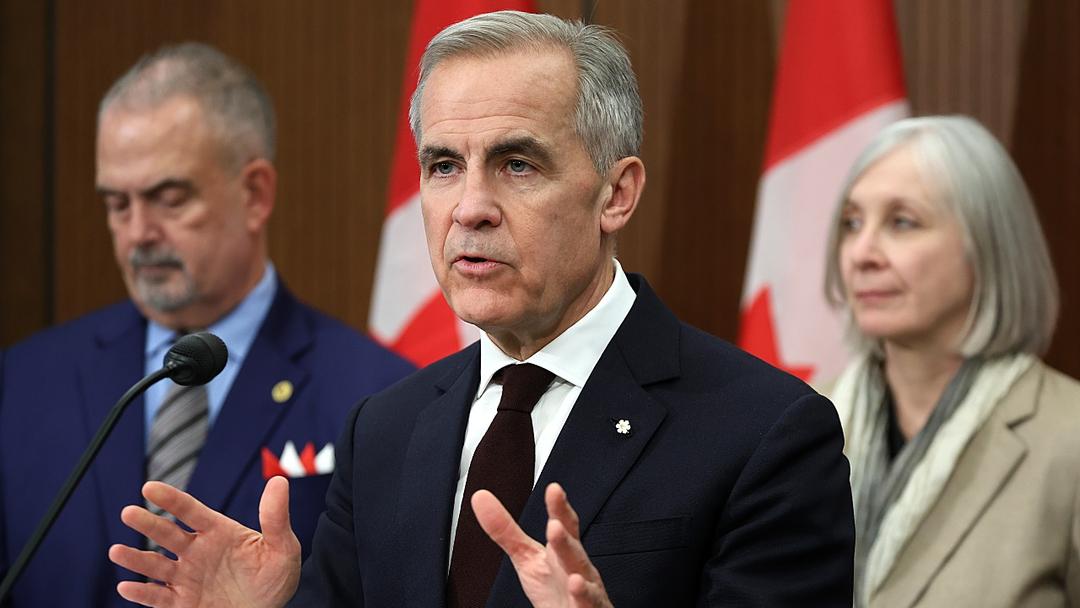
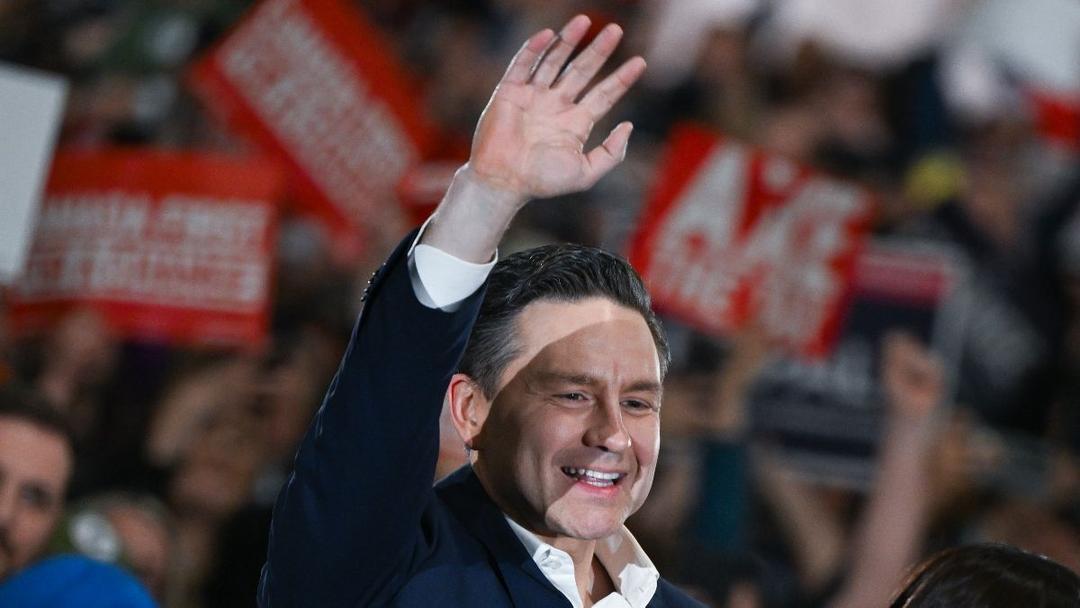
- Overview: From 2015 to 2023, there was a persistent upward trend in non-violent crime in Canada, with a notable 52% surge in police-reported child pornography in 2023, while violent crime remained relatively stable despite fluctuations in specific offenses like homicide and extortion. While less prominent than concerns like housing, the cost of living and U.S.-Canada relations, the issue has highlighted a divide between Liberal leader Mark Carney and Conservative leader Pierre Poilievre, with Carney making it a secondary focus and Poilievre making it a cornerstone of his campaign.
- Current State: While government data for 2024 and 2025 has yet to be published, public concern over crime has grown, with an Abacus Data survey from October 2024 showing that 57% of Canadians believe drug-related crimes are worsening, followed by vehicle theft (54%) and property crime (52%). The same survey found that 45% lack confidence in the federal government's ability to address crime effectively. According to Immigration News Canada, crime rose in 2024-25, with cities like Surrey, the most dangerous at a 2025 crime index of 64.7, Kelowna (62.1), Sudbury (61.9), and Winnipeg (60.5) driving trends in property and violent offenses.
- Crime as an Election Issue: Ipsos polling published in March showed that 10% of voters put violence and crime in their top three most pressing issues. The October Abacus survey revealed that crime and safety would influence 57% of voters, with 48% of those concerned about crime favoring the Conservatives, compared to 23% for the Liberals under Trudeau at the time. While issues like affordability and U.S.-Canada relations are currently more prominent, crime ranks higher among Conservative voters, who are more likely to prioritize public safety in the election.


Sources Split
LEFT
CENTER
RIGHT
+2
+1

ESTAB
CRIT
CENTER
PRO
ESTAB
The Spin
Conservative Party narrative
For a decade, Liberal MPs backed policies that weakened Canada's justice system—gutting mandatory sentences, loosening bail, and letting violent repeat offenders back onto the streets with bills like C-5 and C-75. Now, with crime rising and public trust collapsing, Mark Carney wants to do a last-minute U-turn and have Canadians forget his party's disastrous weak-on-crime record. But words won’t undo years of damage. Poilievre's Conservatives have a clear plan to end the chaos: close the border to smuggled guns and drugs, restore real consequences for serious crime, and put Canadian safety first again—for a change.
Liberal Party narrative
Under Mark Carney, the Liberals are taking a balanced approach to public safety—combining tough, targeted enforcement with smart, preventative action. Carney’s plan boosts frontline capacity with 2,000 new RCMP and CBSA officers, cracks down on U.S.-sourced guns and fentanyl, and tightens bail for repeat violent offenders. It includes stronger penalties for child exploitation, hate crimes, and intimate partner violence—while respecting rights and investing in community safety. Where Conservatives recycle failed “tough on crime” slogans, Liberals offer a comprehensive, evidence-based plan to keep Canadians safe.
Metaculus Prediction
Public Figures
Go Deeper










© 2026 Improve the News Foundation.
All rights reserved.
Version 7.18.2