Cameroon: Opposition Candidate Tchiroma Declares Victory
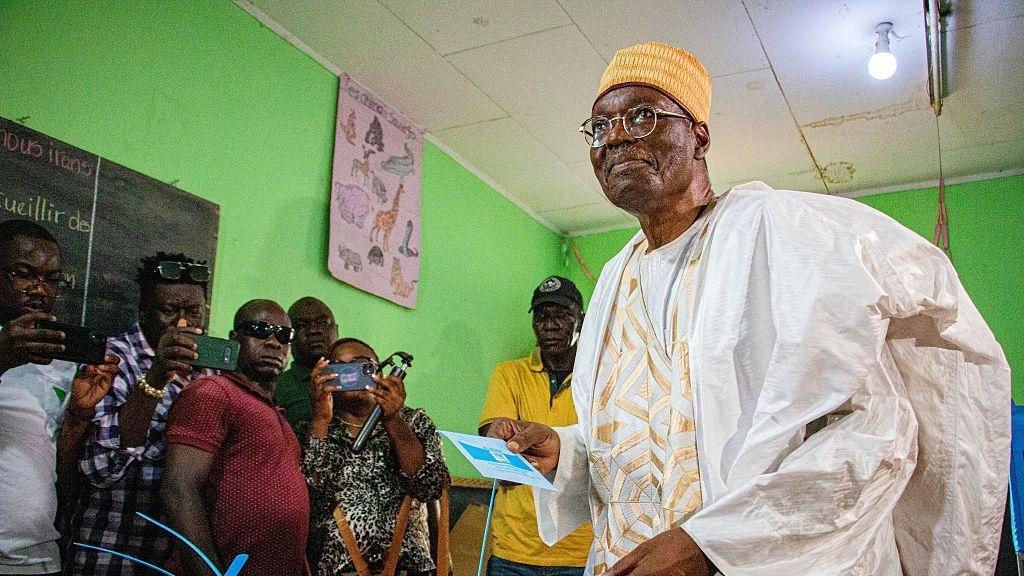
The Facts
- Cameroon opposition candidate Issa Tchiroma declared victory in the Oct. 12 presidential election, urging President Paul Biya to accept defeat and honor the ballot box results, while government officials warned that unofficial result announcements could constitute high treason.
- The 76-year-old former government spokesperson and employment minister broke ranks with Biya earlier this year and mounted a campaign that drew large crowds and endorsements from opposition parties, while analysts expected Biya's control over state institutions to give him an edge.President Paul Biya, 92, the world's oldest serving head of state, is seeking an eighth term after 43 years in power despite growing public discontent over economic stagnation and insecurity, with more than 8 million people registered to vote in the election.


The Spin
Narrative A
Cameroonians have spoken decisively for change after 43 years of stagnation under Paul Biya's rule. Urban areas representing 60% of the population show Issa Tchiroma leading, reflecting deep aspirations for progress and renewal. The remarkable performance in polling stations demonstrates the people's clear rejection of a system that has strangled the nation for decades.

Narrative B
Opposition claims of victory are premature and potentially illegal before official results are announced by the Constitutional Council. Government officials warn that proclaiming results before the proper authorities constitutes crossing a red line. The 2018 precedent shows how false victory declarations led to arrests and violent crackdowns on protesters.

Narrative C
Cameroon's election exposes a nation still divided between its French-speaking rulers and marginalized Anglophone regions. Beneath official calm lies deep mistrust — many feel the vote merely reinforces old hierarchies. As fear replaces faith in democracy, the ballot risks cementing linguistic and political inequality rather than healing a fractured republic.
Metaculus Prediction
© 2026 Improve the News Foundation.
All rights reserved.
Version 7.17.1