The Facts
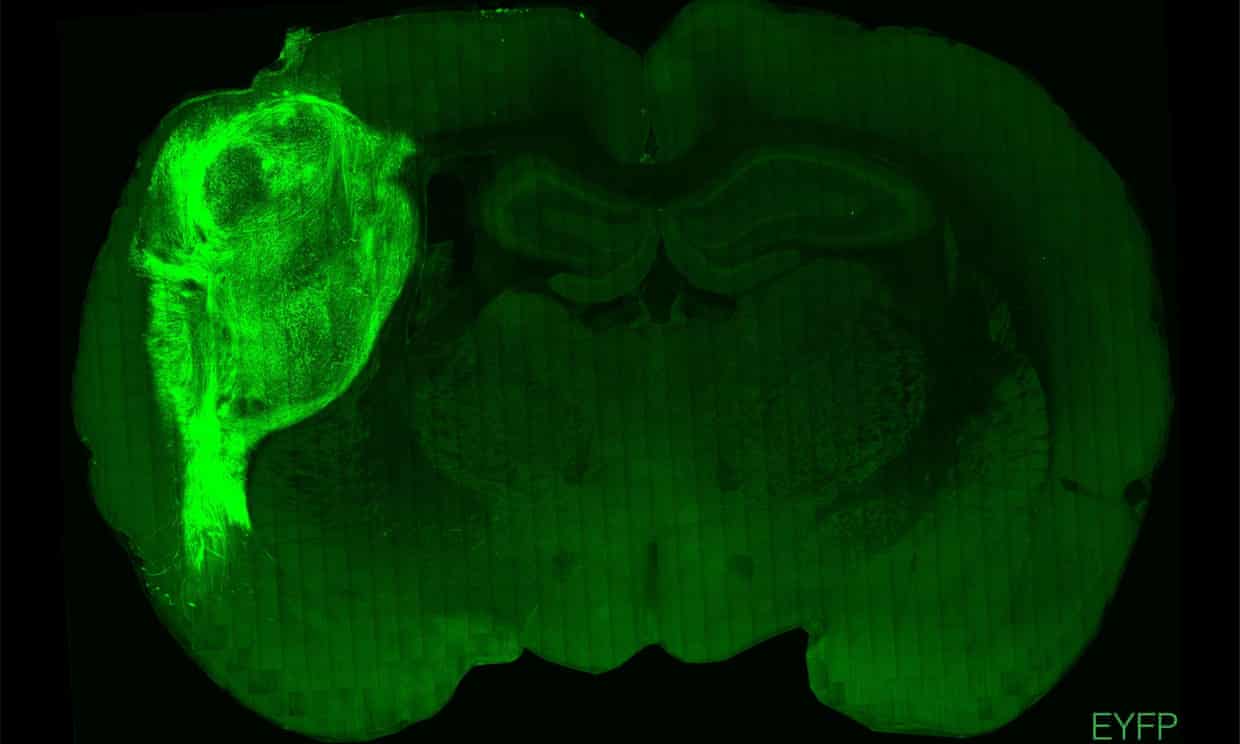
- A study published in the journal Nature on Wednesday announced that scientists have successfully transplanted human brain cells into the brains of baby rats to study human brain development and diseases that affect complex human organs.
- The work will reportedly help further research into mental disorders such as autism and schizophrenia, with scientists confident that they'll be able to grow and alter brain tissue in these "living laboratories" and see how the changes influence the rodents' behavior.
- Professor Sergiu Pasca, who led the research at Stanford University, said "psychiatric disorders are a huge burden on society and it is very, very clear that we need better models for studying them," adding, "we see patients and patients' families that are desperate. There is no time to waste."


Sources Split
LEFT
CENTER
RIGHT
+1

+1
ESTAB
CRIT
CENTER
PRO
ESTAB
The Spin
Narrative A
This is an important step forward in understanding psychiatric disorders, but the research is a double-edged sword: While it paves the way to a new understanding of human brains, it also opens the door to serious ethical questions, such as the creation of an enhanced, "humanized" rat. Scientists need to proceed cautiously.
Narrative B
This cutting-edge research is a goldmine that brings our ability to study human brain development, evolution, and disease to unchartered territory. While it certainly poses ethical questions, particularly surrounding the "humanization" of rats, natural limitations control how deeply human neurons integrate with rats' brains. This is exciting news.

Narrative C
Studies using lab rats are unethical and inhumane. Rats make up around 95% of lab animals, are kept in shoebox-sized cages, and are often terminated via lethal injection, decapitation, or suffocation by carbon dioxide gas after they've served their scientific purpose. It's time to turn to more humane methods, such as Harvard's "organ on a chip."

© 2026 Improve the News Foundation.
All rights reserved.
Version 7.18.2