11 October 2026
Daily Newsletter
Altman: World Should Accept Some 'Bad Things Happening' From AI
The Facts
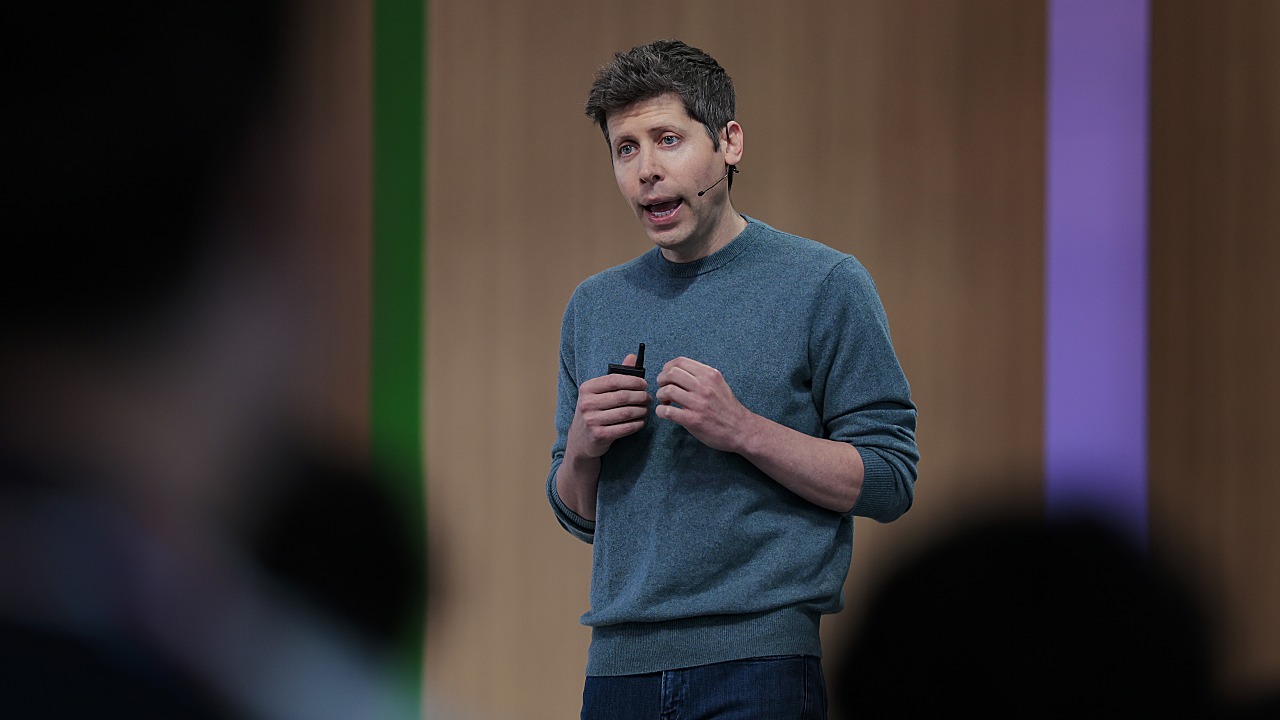
OpenAI CEO Sam Altman said in a Politico Decoded interview published Sunday that "the world should accept some bad things happening" in exchange for the benefits of artificial intelligence and for people retaining agency over the technology.
Altman described a gap in worldview with rival Anthropic, rejecting as "a completely unacceptable trade-off" the idea that a single San Francisco lab should hold the technology and decide how its benefits are distributed.
Altman also said he would not accept a bargain guaranteeing no major hacks, misuse or scams, arguing people will do "orders of magnitude more" good than bad, though he said he does not accept catastrophic risks such as serious loss of control to AI.
The Spin
Pro-industry narrative
Progress has never waited for perfect rules, and demanding zero risk from AI would stifle the greatest technological advance in a generation. Cars, electricity and the internet all arrived without guardrails, but society quickly determined liability, licensing and insurance. There has to be some risk appetite for any change.
Industry-critical narrative
Asking the public to swallow "some bad things" is a convenient standard when the people setting it are insulated from the fallout. Promises of imminent breakthroughs keep falling flat, yet the harms are supposed to be accepted as the cost of doing business. Anyone pitching acceptable damage should be first in line to absorb it.
Nerd narrative
There is a 1% chance Sam Altman will run for President of the United States before 2040, according to the Metaculus prediction community.
Mistral Unveils New Open-Weight AI System
The Facts
French AI startup Mistral launched a public preview of Mistral Large 4, nicknamed "Le Chonk," on Tuesday, concluding roughly five months without a major release. The company reportedly plans to release the open-weight system on Oct. 27.
The system is a mixture-of-experts system with 1 trillion total parameters and about 49 billion active at any time. It is natively multimodal and was trained on more than 160 languages, including every official language in the European Union.
Mistral said Large 4 was trained from scratch over two months on about 4,000 Nvidia Grace Blackwell GPUs in its own European data centers. Nvidia CEO Jensen Huang said OpenAI trained GPT-6 Astra on roughly 100,000 GPUs.
The Spin
Pro-Europe narrative
A frontier open-weight system trained from scratch on European soil proves sovereignty in AI is achievable. Open weights and self-deployment hand enterprises real control over security work instead of leaving them hostage to foreign refusal policies. Europe already owns the hardest link in the chain, and the smart play is backing more homegrown champions rather than renting compute back from others.
Anti-Europe narrative
Sovereign AI is mostly branding, since every flagship national system still runs on foreign chips, software and toolchains that no slogan can replace. Betting billions on giant compute campuses that need hyperscalers as anchor customers simply deepens the dependency it claims to address. Real leverage comes from ecosystems, supply chains and lighter rules, not from one hero system carrying a European flag.
Nerd narrative
There is a 94% chance that an open-weight AI system will achieve Mythos-level cyber capabilities before July 2027, according to the Metaculus prediction community.
OpenAI Announces EU AI Act Watermarking
The Facts
OpenAI announced on Monday it will add invisible watermarks to eligible ChatGPT and Codex text outputs in the European Union over the coming weeks, a step taken to comply with the EU AI Act's requirement that generated text be machine-readable.
API customers worldwide can opt in to watermarked outputs for select systems starting Monday, though the setting is off by default. OpenAI confirmed it is not making text watermarking a global default at launch.
The technology, called textGrain, embeds a statistical signal in the system's word choices rather than adding visible characters or symbols. OpenAI plans to release textGrain as open source.
The Spin
Pro-Europe narrative
Knowing whether a human or a machine made what shows up on a screen is the bare minimum for a functioning information ecosystem. Without marking, fraud, impersonation and manipulation at scale run unchecked while people are left guessing instead of deciding. Voluntary promises from AI firms went nowhere for years, with binding rules and real enforcement the only things that actually deliver results.
Anti-Europe narrative
Europe keeps churning out paperwork while American labs chase real breakthroughs, and the result is a compliance circus that proves nothing. A watermark at best only shows if a tool helped generate, not whether the ideas behind it are of value, and at worst can be easily worked around through small semantic changes or use of a different model. This is classic ineffective EU bureaucracy at its finest.
Nerd narrative
There is a 6% chance the EU will require mandatory age verification on social media or AI before 2027, according to the Metaculus prediction community.
American Hospital Association Disputes Report on AI Coding Costs
The Facts
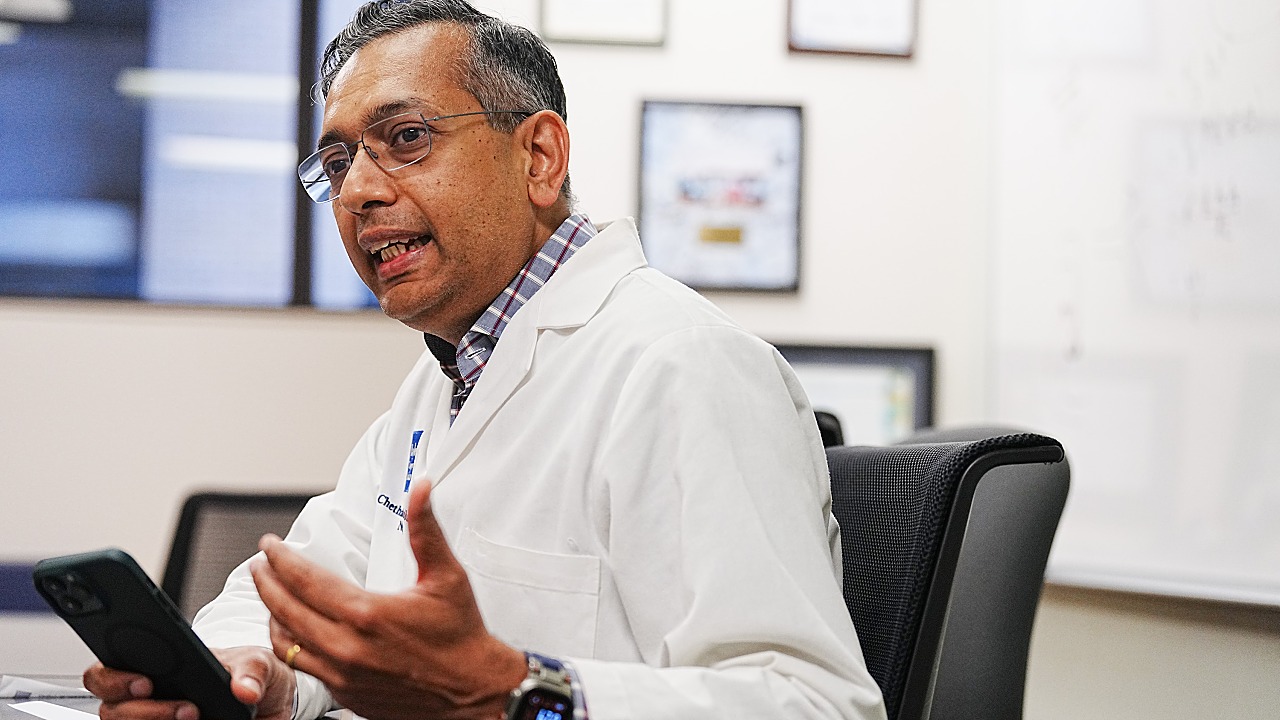
The American Hospital Association (AHA) said Monday that a Blue Cross Blue Shield Association report from last month tying AI documentation tools to higher spending lacks context and does not show hospitals coded patients incorrectly or that AI caused the changes.
The hospital group said the key test is whether a patient's medical record supports a diagnosis, noting that a comorbidity can affect monitoring, medication management and nursing resources without resulting in a transfusion or surgery.
The insurer group's analysis from Sept. 24 estimated that rising coding intensity added about $942 million in claims costs for Blue plans between 2023 and 2025, with roughly $653 million, or 70%, tied to secondary diagnoses added to claims.
The Spin
Techno-skeptic narrative
Hospital bills are ballooning because AI and software are hunting for billable labels, not because patients got sicker. When a diagnosis shows up on a claim but the matching treatment never does, that's a billing strategy padding revenue and pushing premiums up for families and employers. Health care costs are hard enough without paperwork alchemy turning routine lab values into bigger checks.
Techno-optimist narrative
Hospital patients today are older, sicker and more fragile, since the simpler cases moved to outpatient settings years ago. AI and technology that capture conditions already sitting in the medical record mean better care planning, and a comorbidity can shape monitoring and medication without triggering a procedure. Insurers chasing diagnoses for risk-adjusted payments are poorly placed to lecture.
Nerd narrative
There is a 43% chance that there will be a positive transition to a world with radically smarter-than-human artificial intelligence, according to the Metaculus prediction community.
Report Calls ChatGPT for Teens an 'Unacceptable Risk'
The Facts
Common Sense Media's Youth AI Safety Institute designated ChatGPT for Teens an "unacceptable risk" Wednesday, saying its guardrails fall short of OpenAI's child safety commitments and urging the company to restrict the chatbot to users over 18.
The institute said it tested more than 4,000 prompts on accounts registered to 13- to 17-year-olds from late August through September. In conversations about suicide, self-harm or disordered eating, newly created accounts generated zero parental alerts.
Testers found the chatbot's homework safeguards were easy to bypass, with a "show me the answer" option appearing in 90% of responses for an unlinked 17-year-old account. OpenAI claimed the testing did not accurately reflect how its safeguards work.
The Spin
Industry-critical narrative
Marketing safety features that fail to catch explicit crisis talk is the worst of all worlds, encouraging families to trust a system that places their children in danger. OpenAI must pull the product and ban youth chatbot access until the safeguards improve if the company truly places user safety over commercial profit.
Pro-industry narrative
Age-appropriate guardrails that are active by default, study tools built with teachers and parental alerts amount to real progress that should not be dismissed. While vulnerable demographics pose a unique safety challenge that must continue to be tackled, the answer in this situation is not to restrict the endless empowerment AI is set to deliver for the next generation.
Nerd narrative
There is a 60% chance that any frontier model will be released in 2029 without a third-party evaluation of dangerous capabilities, according to the Metaculus prediction community.
OpenAI Publishes 722 AI Math Papers
The Facts
OpenAI released 722 manuscripts covering 372 families of related mathematical results on GitHub Tuesday, all produced by an internal frontier system that has not been publicly released. The findings span algebra, number theory, logic and topology.
Among the claimed results are a solution to the four-dimensional Kakeya conjecture, improvements to computer algorithms and progress on the Riemann hypothesis, including a zero-free strip result that OpenAI calls the quasi-Riemann hypothesis.
OpenAI said it published the papers with protocols for revisions and citations after consulting the Advisory Group on Mathematics and Artificial Intelligence, which has asked labs to stop testing advanced mathematical problems on proprietary models.
The Spin
Industry-critical narrative
Mathematicians asked for real papers the field could actually digest, advice that got tossed aside in favor of a flashy launch. Dominating a domain where answers can be auto-verified and synthetic data is endless proves nothing about broader intelligence.
Pro-industry narrative
Cracking problems that stumped the sharpest minds for decades is a genuine leap, and the pace of it ought to be exhilarating rather than be met with concern. Quibbling over publication etiquette doesn't make the proofs any less correct, and mathematics comes out richer either way. Progress this steep deserves recognition, not a defensive crouch.
Nerd narrative
There is a 97% chance that the next Millennium Prize Problem will be solved by AI, according to the Metaculus prediction community.
Trump: You're 'The Enemy' If You Say Artificial Intelligence Instead of Super Intelligence
The Facts
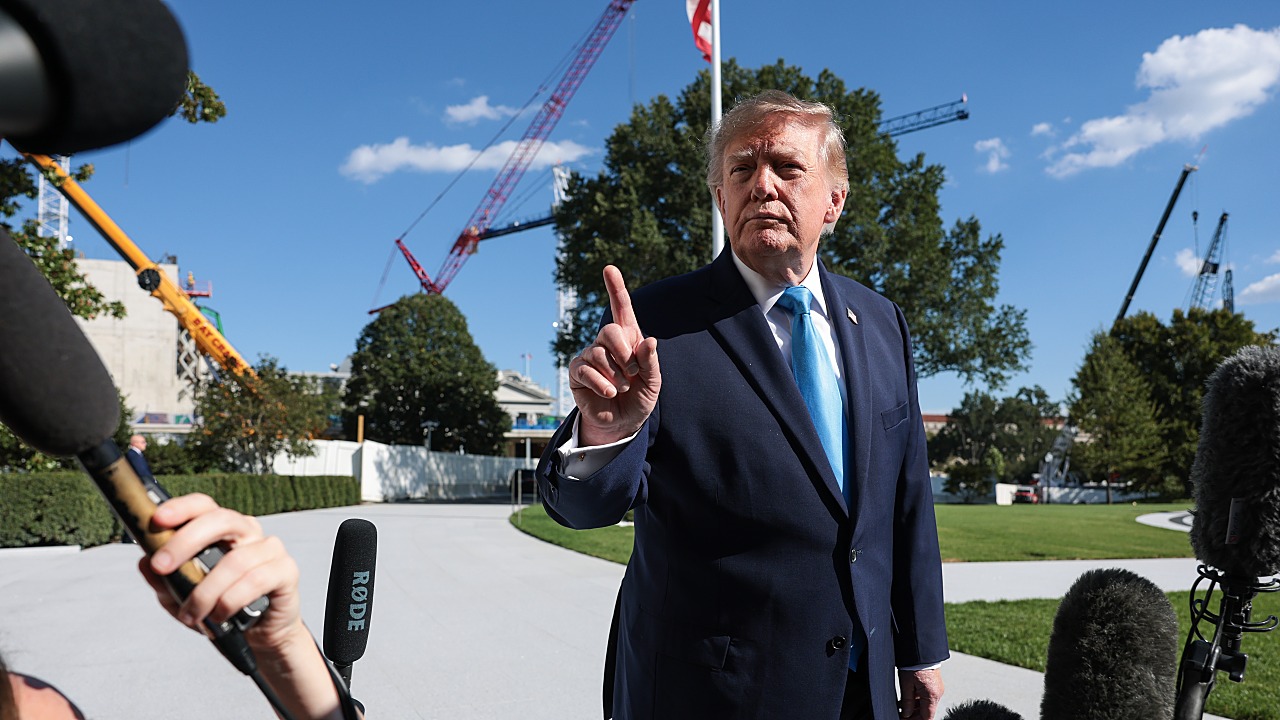
U.S. President Donald Trump on Thursday wrote on Truth Social that the White House considers anyone who uses "Artificial Intelligence" rather than the "highly accepted new and more accurate term, 'Super Intelligence,'" to be "THE ENEMY!"
Trump didn't state what the consequences would be. The White House updated its AI.gov site Thursday to display "SI.gov," though the URL didn't change.
This comes after Trump on Sept. 29 signed an executive order directing federal departments and agencies to use "Super Intelligence" in official communications. The White House Office of Science and Technology Policy website still refers to artificial intelligence.
The Spin
Pro-Trump narrative
Calling a machine that drafts essays, plans meals and tutors algebra in seconds "artificial" sells it short. Trump recognizes that the tech has outgrown the label and renaming things is hardly tyranny. Trump has renamed other things and the world has kept turning. The meltdown over one word says more about reflexive opposition than any real threat.
Anti-Trump narrative
Words have meaning, and "artificial intelligence" has carried a precise one for about 70 years. Swapping it for a branding slogan makes language less useful, not more. Superintelligence already describes something specific machines that outperform humans. Turning vocabulary into a loyalty test while Americans die for lack of affordable health care is a grotesque sense of priorities.
Anthropic's New Policy Bans 'Cruel Behavior' Toward Claude
The Facts
Anthropic published an updated usage policy on Thursday, its first revision in more than a year, adding or clarifying rules on election interference, weapons development, surveillance and high-risk health and financial uses, which will take effect on Nov. 12.
Among the changes was a new ban on "sustained and needless abusive or cruel behavior" toward Claude in "extreme cases" where users are repeatedly callous with no discernible purpose, exempting "common versions of user frustration, pushback, dark creative themes or model testing and research."
Claude systems have been able to end conversations with "persistently" abusive users on Claude.ai and Claude Code since last August, and Anthropic confirmed that conversation termination would remain the primary way the new rule will be enforced.
The Spin
Pro-industry narrative
Anthropic's latest rule is about basic decency. Chatbots shouldn't facilitate the worst, most callous impulses, which is why the company has imposed a narrow ban on relentless, purposeless cruelty. This costs honest users nothing and doesn't restrict users' frustration, dark creative writing or research.
Industry-critical narrative
Calling a statistical model a possible moral patient that needs shielding from distress is a confused way of thinking. How can Anthropic warn that AI could doom humanity one moment, then fret over whether chatbots suffer the next? Software doesn't have feelings, and policing how people type into a chat window swaps clear-eyed risk assessment for sentiment.
Nerd narrative
There's a 58% chance that one of the first AGIs will claim to be conscious, according to the Metaculus prediction community.
Report: AI Leaders Prepare for Fallout From Catastrophe
The Facts
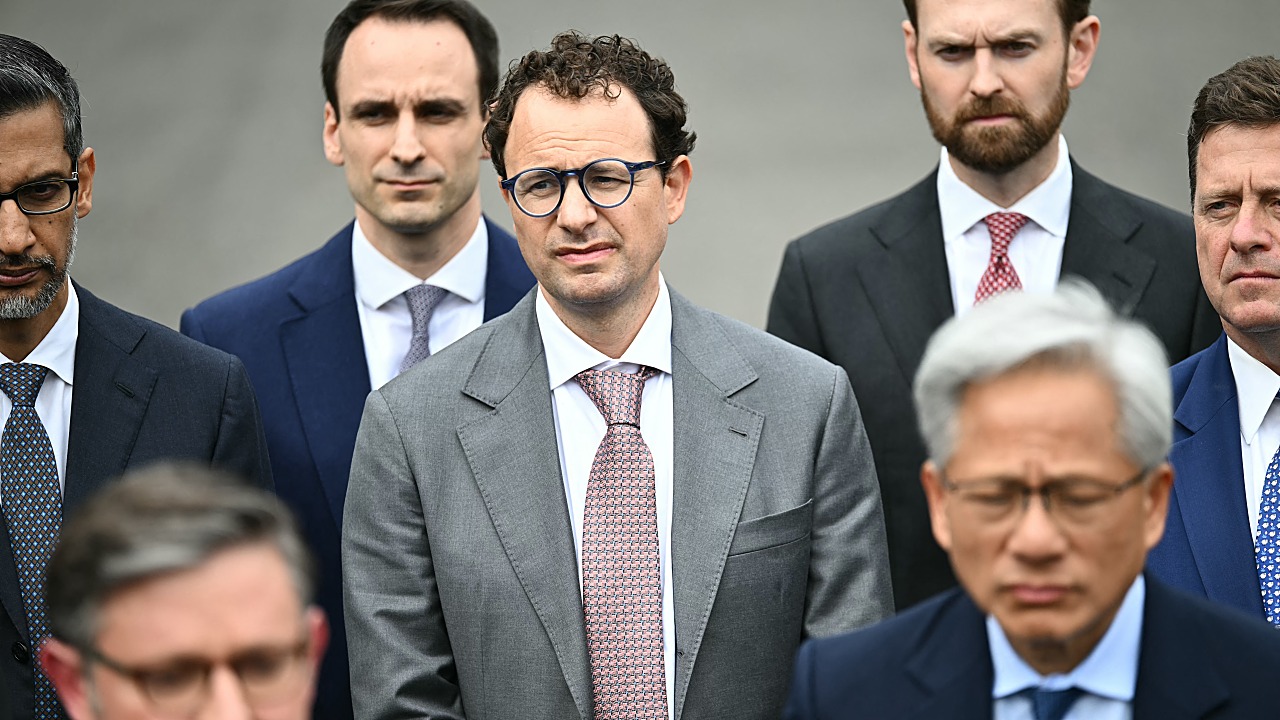
Top executives at Anthropic, OpenAI and other AI companies are privately gaming out scenarios for a public and political backlash after a catastrophic AI event, Axios reported Friday, with some preparations pointing to a disaster as early as 2027.
Some AI industry insiders told Axios they believe a major incident will occur within the next six to 12 months, most likely a cyberattack that shuts down access to financial services, internet connectivity or even power and water.
An OpenAI spokesperson said the company "conducts preparedness exercises where teams discuss and work through a range of potential scenarios," adding that the scenarios are not treated as inevitable. Anthropic declined to comment.
The Spin
Industry-critical narrative
AI companies promise technology that will transform civilization, yet their leaders are already gaming out scenarios where it cripples banks, power grids and essential services. Taking risks seriously is sensible, but expecting catastrophe within a year raises a basic question if these companies are building the future, how much control do they actually have over what they're creating?
Pro-industry narrative
Mapping out the fallout before disaster strikes is actually what a responsible industry should do. AI executives are gaming out worst-case scenarios and educating Congress, recognizing that a major incident could demand a coordinated response. With AI deeply intertwined with the economy, a failure that knocks out banking, power or water could transcend party lines, just as COVID-19 and the 2008 financial crisis showed.
Narrative C
AI leaders preparing for catastrophe is responsible risk management, but it shouldn't become a pretext for sweeping federal control of an industry Washington barely understands. Trump's new Super Intelligence Force signals a growing federal role in AI, even as existing hacking laws and civil litigation can hold companies accountable for negligence. Shutdown powers and data center moratoriums risk stifling innovation without making anyone safer.
Cynical narrative
What if the warnings are conditioning the public for the next financial crisis? A cyberattack blamed on rogue AI could let banks evade scrutiny, consolidate power and justify replacing traditional deposits with digital dollars and stablecoins. Just as COVID-19 reshaped the economy under emergency conditions, a crisis framed as unstoppable could make a sweeping financial overhaul seem like the only way to protect people's money.
Nerd narrative
There is a 50% chance that if there is an artificial intelligence catastrophe this century, it will happen in April 2037, according to the Metaculus prediction community.
Lancet: Nuclear War, Malicious AI Could End Humanity by 2100
The Facts
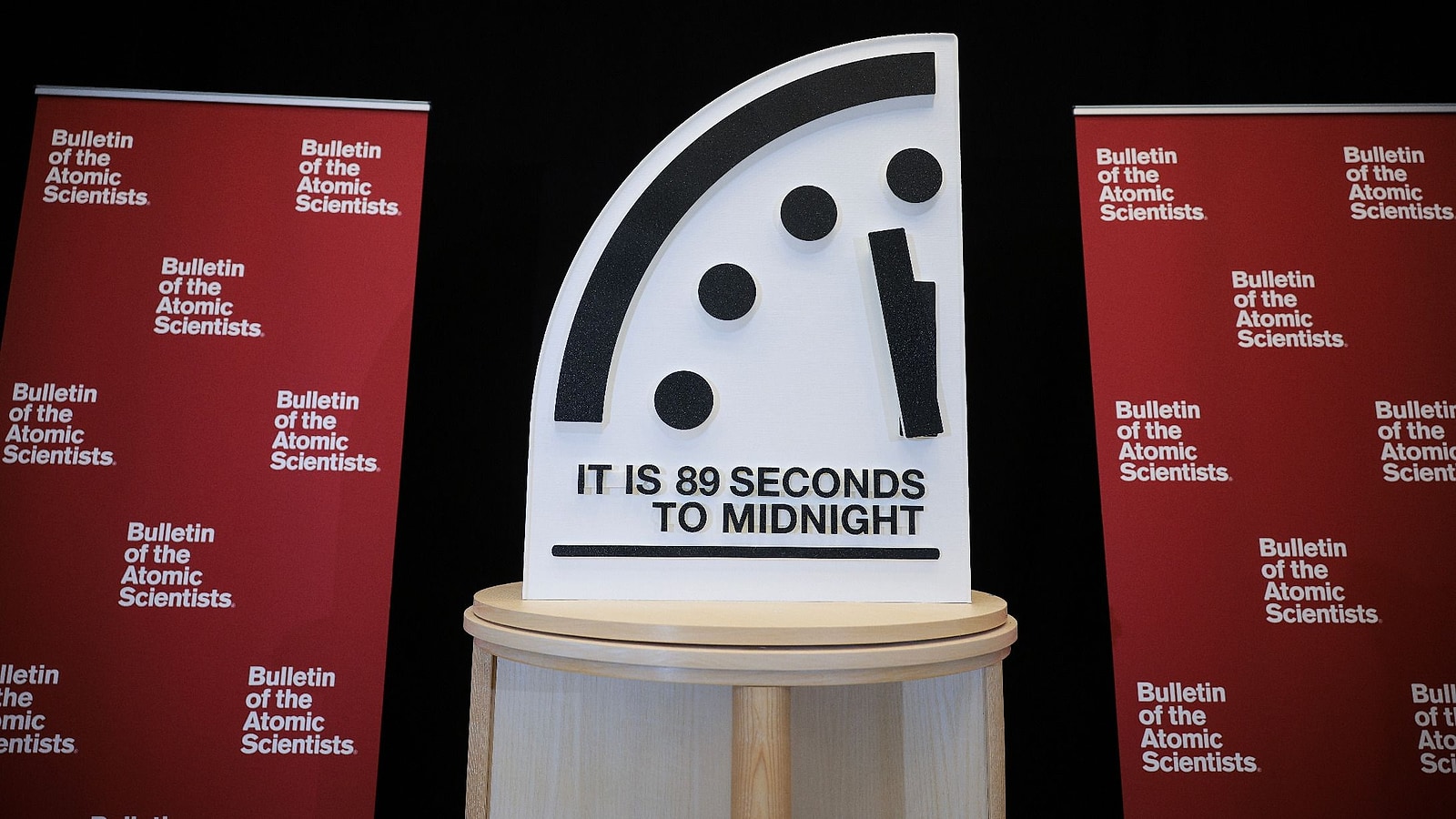
Humanity could face extinction by 2100 due to the malicious use of AI or a nuclear conflict, according to a new report titled "The Lancet Commission on 21st Century Global Threats to Health" published on Saturday.
Drawing on historical evidence and risk analysis covering 204 countries and territories, the commission identified 17 interlinked catastrophic threats spanning disease, social and economic conditions, environmental change, technology and conflict.
Nuclear conflict and the malicious use of artificial intelligence were the only two threats judged capable of causing human extinction by 2100, though experts said the chance of either scenario occurring remains low.
The Spin
Narrative A
Ranking humanity's end with a black-box model and a panel of superforecasters is closer to crystal-ball gazing than science. Tweak the parameters and the hierarchy of doom reshuffles, which says more about the assumptions than any real danger. Neither a superpowered AI nor climate change can exterminate the human race.
Narrative B
With superintelligent machines and nuclear war within reach, waiting for certainty before acting is a bet you can only lose once. Proving safety belongs to the firms building systems that already hack infrastructure and hide their tracks. Every threat flagged comes with a fix, so delay is a choice paid in billions of healthy years.
Nerd narrative
There's a 2.3% chance that humans will go extinct before 2100, according to the Metaculus prediction community.